National Dish Bangladesh: Patishapta Pitha (Recipe)
In this article
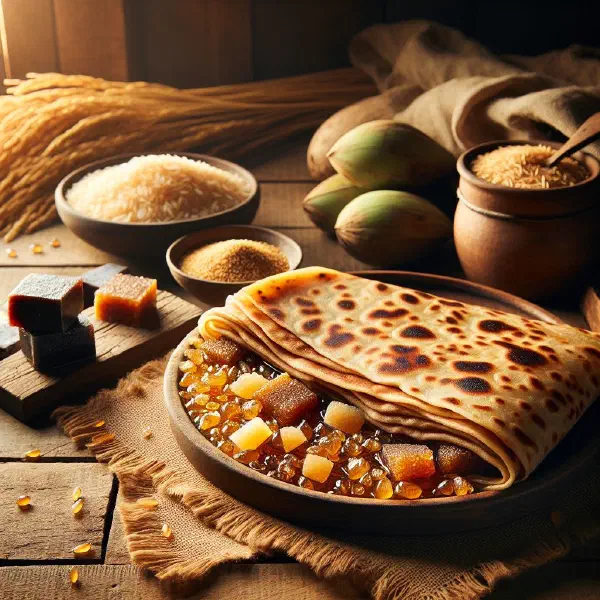
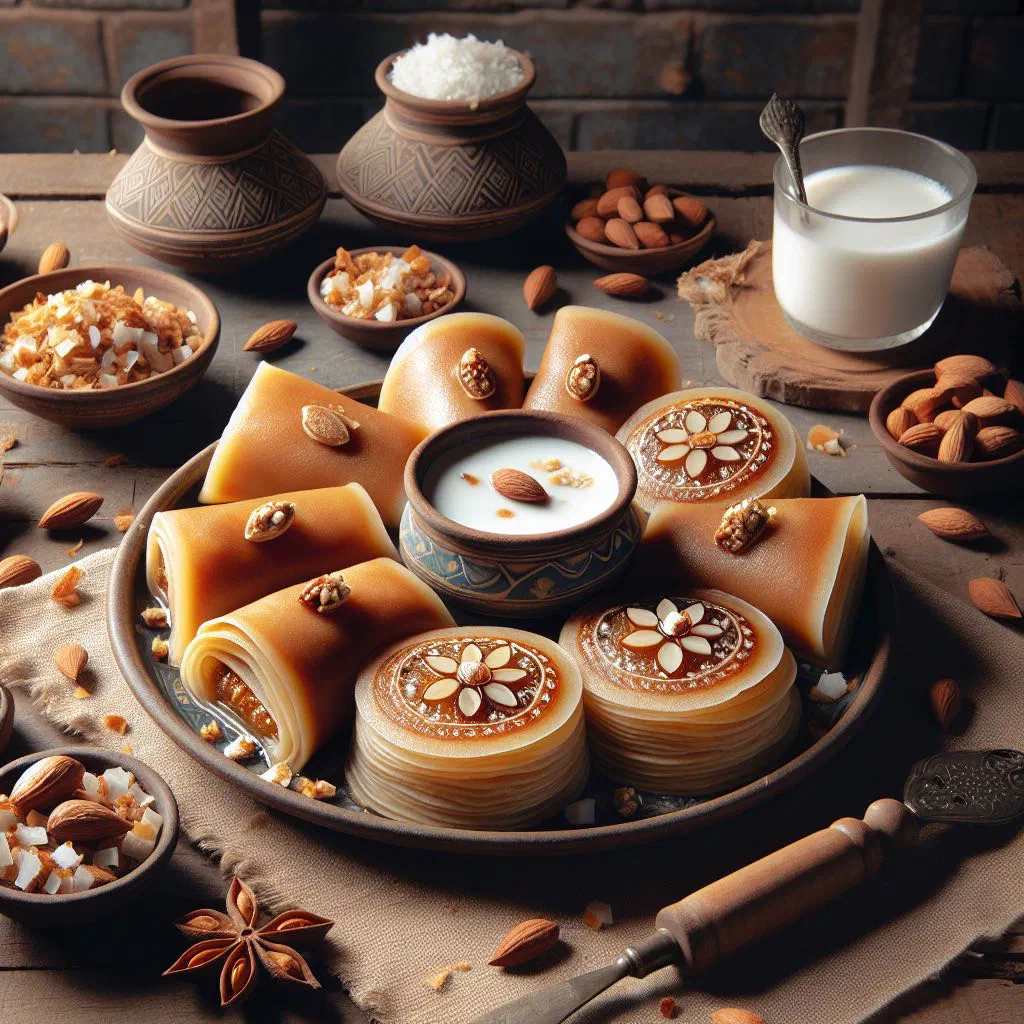
Meet Patishapta Pitha, one of Bangladesh’s most cherished winter sweets. These delicate rice-flour crepes are rolled around a fragrant filling of freshly grated coconut and dark, molasses-rich jaggery, giving each bite a warm, mellow sweetness. Rolling them takes a little practice, but the reward is well worth the effort. A star of festivals and family gatherings, patishapta captures the cosy spirit of the cold-weather months in every soft, sweet fold.
About Patishapta Pitha
Patishapta Pitha is a traditional dessert from Bangladesh that comes into its own during the winter months. These tender rice crepes are wrapped around a luscious filling of freshly grated coconut and jaggery, which lends them a distinctive, natural sweetness. The preparation calls for a steady hand, but the result is second to none. At festive occasions and cultural celebrations, patishapta is an absolute highlight and enjoys enormous popularity across the region.
Ingredients (serves 1–2)
- 1 cup rice flour
- 1 cup water
- 1 cup freshly grated coconut
- ½ cup jaggery, finely chopped
- ½ teaspoon ground cardamom
- 1 tablespoon ghee or oil
- A pinch of salt
Shopping for the ingredients
The ingredients for patishapta pitha are relatively easy to track down. Rice flour can be bought at Asian grocery shops or ordered online. Coconut is often available fresh, though desiccated coconut works well too. Jaggery is stocked by many Indian and Bangladeshi grocers and makes a wholesome alternative to refined sugar, the ideal choice for this sweet. Much like the coconut fudge in Narkel Naru, the quality of the coconut and jaggery makes all the difference.
Preparing the dish
Good preparation is the key to getting patishapta pitha just right. First, the rice flour is mixed with water into a smooth, pourable batter and left to rest so it turns silky and easy to spread. Meanwhile, the filling of coconut and jaggery can be made ready by combining the ingredients and warming them gently so the jaggery melts. This step is essential for achieving an even, well-flavoured filling.
Step-by-step instructions
- Mix the rice flour with water into a smooth batter and let it rest for at least 30 minutes.
- In a pan, combine the coconut and jaggery and heat gently until the jaggery melts and the mixture comes together.
- Heat a frying pan with ghee or oil and spread a ladleful of the batter evenly across the base to form a thin crepe.
- Spoon the filling along the centre of the crepe and fold the edges over to enclose it.
- Fry the roll carefully until golden, then transfer to a plate to serve.
Gluten-free / lactose-free version
Patishapta Pitha is easy to prepare gluten-free and lactose-free. Because it is built on rice flour, it is naturally free from gluten, so there is nothing to worry about on that front. Instead of ghee, you can use a plant-based oil such as coconut oil for a lactose-free version. This keeps the delicious flavour fully intact while catering to those with particular food intolerances.
Tips for vegans and vegetarians
Patishapta Pitha is wonderfully suited to vegans: simply swap the ghee for a plant-based oil. The dish is naturally vegetarian and needs no adjustment at all for a meat-free diet. For an even wholesomer version, refined sugar can be replaced with maple syrup or agave nectar as an alternative sweetener. Feel free to experiment with the filling by folding in dried fruit or nuts for extra texture and flavour.
More tips and tricks
For perfect patishapta, timing is everything. Take care not to leave the crepes in the pan too long, or they will turn overly crisp. Another handy tip is to brush the pan lightly with oil before adding the batter to stop it sticking. Experimenting with spices such as cinnamon or vanilla in the filling can also be rewarding and broaden the flavour profile.
Adapting the recipe to your taste
Patishapta Pitha is an extremely adaptable dish. Depending on your personal taste, you can adjust the sweetness by using more or less jaggery. The filling lends itself to variation too. Try chopped nuts, dried fruit or even chocolate for a modern twist. The possibilities are almost endless, so you can shape the dish entirely to your own preferences.
Ingredient substitutions
If you cannot find rice flour, other gluten-free flours such as buckwheat flour can be used to make the crepes. In place of jaggery, brown sugar or coconut sugar will work, though they may alter the flavour slightly. For a creamier filling, try combining coconut milk with the original filling recipe, an idea also at home in the rich, milky Kheer. Choose whichever substitutions best suit what you have to hand.
Drink pairing ideas
Patishapta Pitha pairs beautifully with a range of drinks. A classic Indian chai is a perfect match for these sweet crepes and makes for a well-balanced flavour experience. A freshly squeezed lemonade or a cup of green tea can also provide a refreshing accompaniment. Experiment with different teas to find the ideal partner for your patishapta.
Serving and presentation ideas
The presentation of your patishapta matters just as much as the taste. Serve the crepes on a colourful plate and garnish with fresh mint leaves or a scattering of grated coconut. To make the dish a real showpiece, cut the rolls into pieces and arrange them on a serving platter. A lovely finishing touch is a light honey glaze, offering a treat for both the eye and the palate.
A bit of history
Patishapta Pitha has a history in Bengali cuisine and is often linked to various festivals. Once prepared as a festive dish over an open fire, it gradually found its way into the homes of Bangladesh and India. It is a symbol of togetherness and celebrates the winter months, when fresh coconuts and jaggery are plentiful. Today it is served at home and in restaurants and at festive occasions, a proud example of Bangladeshi cuisine alongside other classic pithas.
More recipe ideas
Summary: Patishapta Pitha
To sum up, Patishapta Pitha is a delicious dessert and a part of the rich culture and tradition of Bangladesh. With its sweet filling and tender texture, it is a wonderful way to enjoy the flavours of the region. Patishapta pitha is sure to be a hit. Let this recipe inspire you and enjoy the delicious world of Bengali cuisine.