National Dish Bangladesh: Payesh (Recipe)
In this article
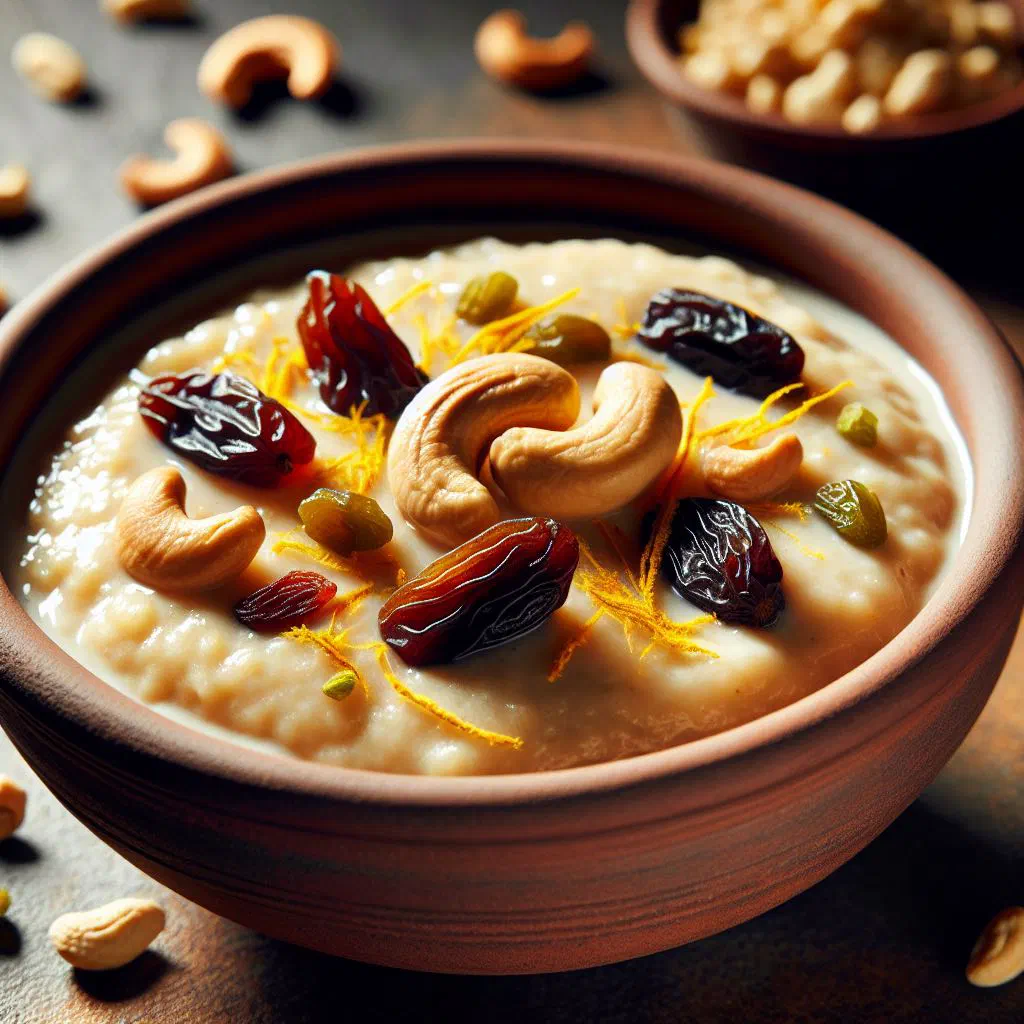
Discover Payesh, the beloved rice pudding that crowns celebrations across Bangladesh. This silky dessert simmers fragrant rice in sweetened milk until it turns luxuriously creamy, then perfumes the whole thing with cardamom and cinnamon. Finished with a scattering of glossy dried fruit and nuts, it is as beautiful to look at as it is to eat, the kind of sweet that appears at weddings, festivals and joyful family gatherings alike. Bring a little of that festive warmth to your own kitchen.
About Payesh
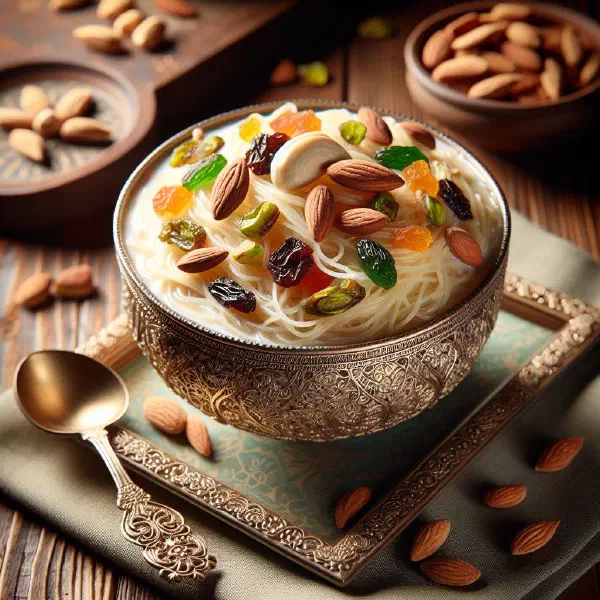
Payesh is a traditional milk-based rice pudding from Bangladesh, most often served on festive occasions. This creamy dish marries the gentle sweetness of milk-cooked rice with aromatic spices such as cardamom and cinnamon. It is a treat for the eyes as well as the palate, since it is frequently decorated with an array of sweet dried fruits. Payesh is lovingly prepared for weddings, feasts and all manner of cultural celebrations, and every serving carries a sense of occasion.
Ingredients (serves 1–2)
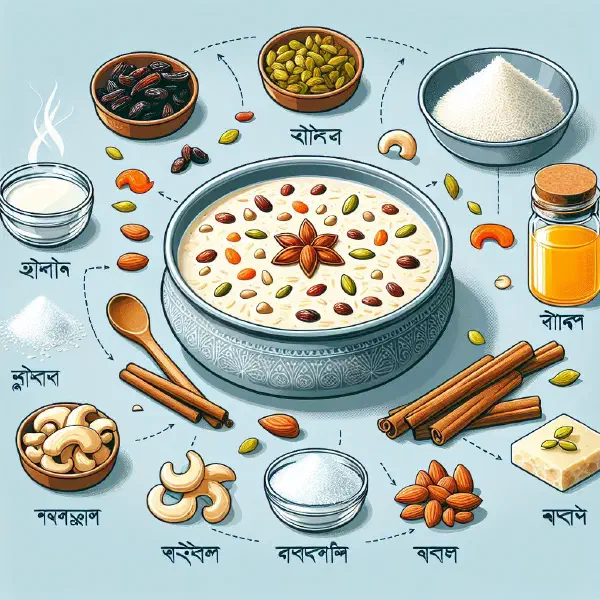
- 100 g rice (such as basmati)
- 500 ml milk
- 100 g sugar
- 1/4 teaspoon ground cardamom
- 1/2 teaspoon cinnamon
- 50 g mixed dried fruit (such as raisins, cashews, almonds)
- 1 pinch of salt
Shopping for the ingredients
The ingredients for payesh are available in most Asian grocers or ordinary supermarkets. Rice and spices in particular are the foundation of this recipe. Take care to choose fresh dried fruit to achieve the best flavour. Where possible, visit an Indian or Bangladeshi food market to pick up higher-quality ingredients that will really lift the finished dessert.
Preparing the dish
Before you begin cooking payesh, it is important to wash the rice thoroughly to remove excess starch. This helps keep the dish from turning too sticky. In addition, the dried fruit should be lightly soaked beforehand, so it becomes softer and more flavourful during cooking. Careful preparation is the key to a truly delicious end result.
Step-by-step instructions
- Wash the rice thoroughly and bring it to the boil in a pan with 500 ml of water.
- Once the rice is half-cooked, add the milk and stir everything together well.
- Add the sugar, cardamom, cinnamon and salt, and stir until fully combined.
- Bring the mixture to a gentle simmer and cook over low heat for about 20 minutes, until the consistency turns creamy.
- Stir in the soaked dried fruit, mix well, then remove from the heat.
Gluten-free / lactose-free version
Payesh is easily made gluten-free, as its main ingredient is rice, which is naturally free from gluten. To make it lactose-free, simply swap the regular milk for plant-based alternatives such as almond milk or coconut milk. These alternatives give the dessert an interesting flavour and a lovely creamy consistency. Choose unsweetened versions so you stay in control of the overall sugar content.
Tips for vegans and vegetarians
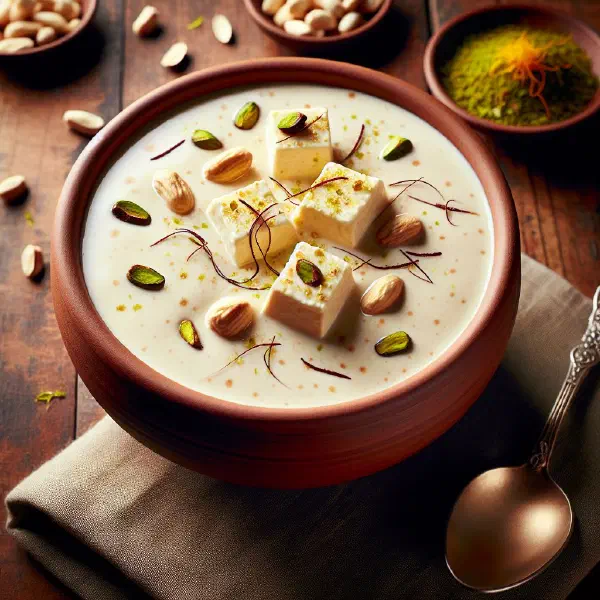
For a vegan version of payesh, it is essential to reach for plant-based milk alternatives. You can also replace the sugar with agave syrup or maple syrup to sweeten the dessert. Vegetarians can use the traditional ingredients, as they are generally animal-friendly. There are endless ways to adapt payesh to suit plant-based eating, much as you would with a bowl of Mishti Doi.
More tips and tricks
For the perfect payesh consistency, it is vital to stir the dish regularly as it cooks, to prevent it from catching on the bottom of the pan. If you want a more intense aroma, caramelise the dried fruit beforehand. Experiment with additions such as desiccated coconut or fruit purées to create delicate variations in flavour.
Adapting the recipe to your taste
Payesh is a flexible dish that is easily tailored to personal preference. Do you like it more nourishing? Then stir in chia seeds, which are nutritious and lend the dessert an interesting texture. If you prefer it fruitier, add fresh fruit such as bananas or mango pieces.
Ingredient substitutions
If you do not have every ingredient to hand, there are plenty of alternatives. Instead of basmati rice you can use jasmine rice, which gives the dish an appealing floral note. Sugar can be replaced with honey or stevia to cut down on the sugar content. Choosing the right substitutes can play a decisive role in the overall flavour and consistency of the dessert, the same balancing act you’d manage when making Kheer.
Drink pairing ideas
Payesh pairs wonderfully with a range of drinks. A classic choice is a glass of masala chai, whose aromatic spices complement those of the pudding. Mint tea or a lemony lemonade also make refreshing alternatives. You might even try fruity cocktails based on tropical fruits to treat your taste buds and round off the meal.
Serving and presentation ideas
The presentation of payesh can considerably enhance the eating experience. Serve the dessert in pretty bowls or glasses and garnish it with nuts and fresh fruit. A drizzle of honey on top can be both delicious and visually appealing. Make the most of creative serving styles to present your guests with a memorable dessert, in the finest tradition of festive Bangladeshi cuisine.
A bit of history
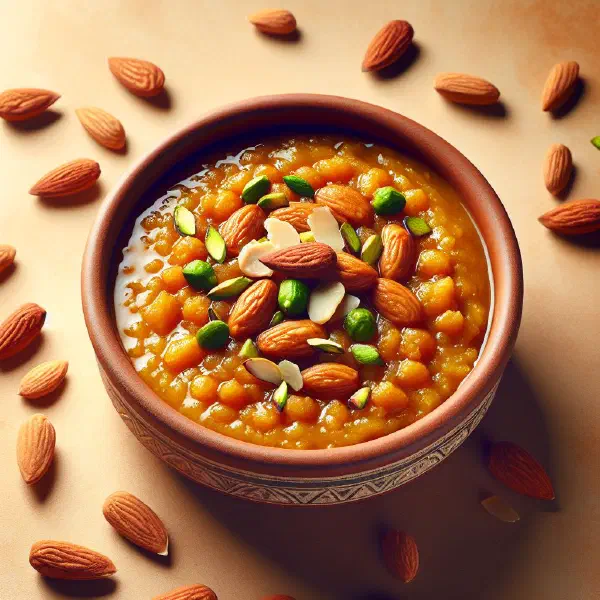
The tradition of payesh reaches back into the cultural roots of Bangladesh. It is often prepared for celebratory occasions and is not merely a dessert but also a symbol of hospitality and togetherness. Every region within Bangladesh has its own version of payesh, which makes the dish all the more unique, a close cousin of the Patali Gur Er Payesh made with date-palm jaggery. The use of spices and dried fruits is typical of the region’s cuisine and reflects the country’s rich cultural diversity.
More recipe ideas
Summary: Payesh
Payesh is more than just a dessert; it is a lovingly prepared delicacy that reflects the flourishing culture of Bangladesh. With its creamy consistency and enticing aromas, it is ideal for celebratory occasions and easily adapted to personal tastes. Payesh is always a highlight on any table. Let this dish inspire you and bring a little of Bangladeshi cuisine into your own kitchen.