National Dish Bangladesh: Pitha (Recipe)
In this article
Discover Pitha, the cherished rice cakes that sit at the heart of Bangladesh’s food culture. Made from soft rice flour and filled either sweet or savoury, these little parcels come in countless regional variations. Fragrant with coconut and gently sweetened, they are as much about togetherness as they are about flavour, traditionally made when family and friends gather during the winter months. Bring a taste of Bengali celebration straight to your own kitchen.
About Pitha
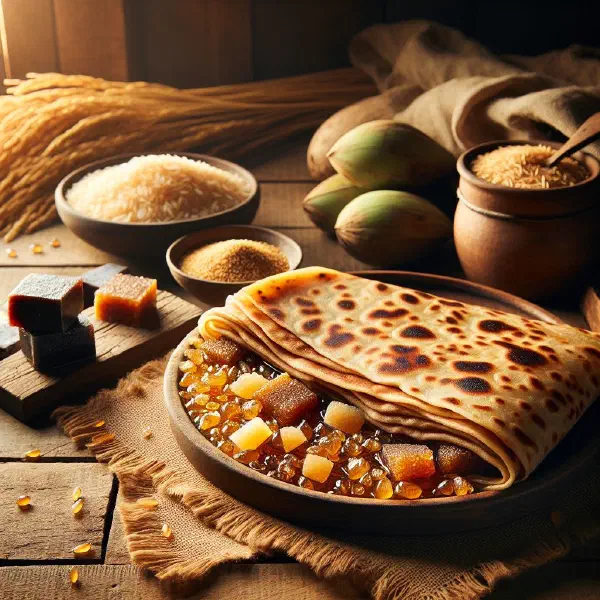
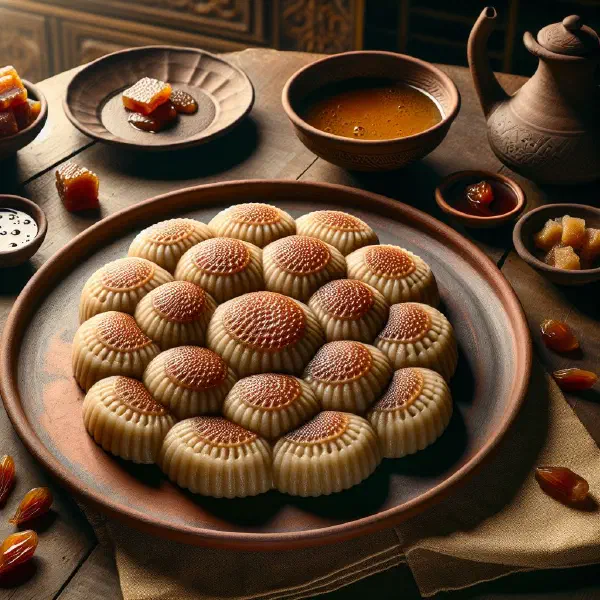
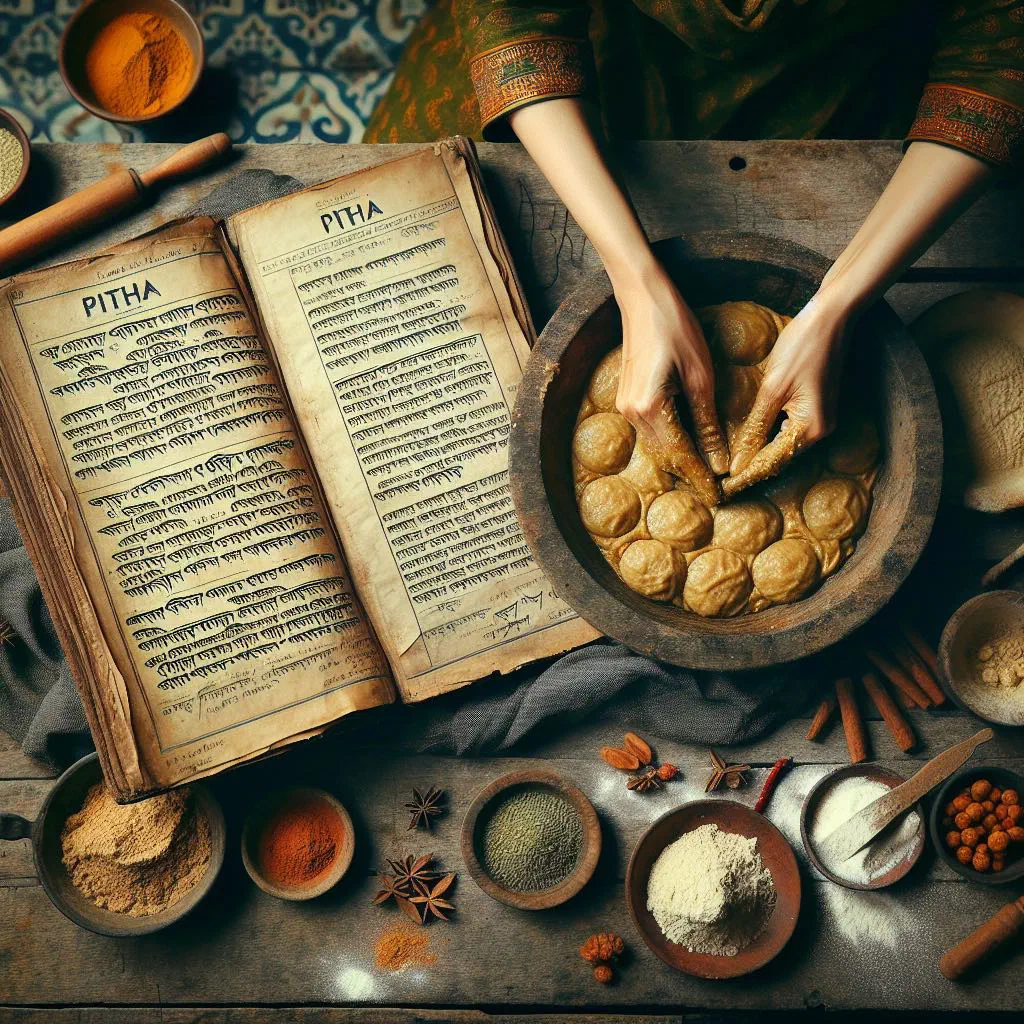
Pitha is built around a base of rice flour or rice dough, enriched with all manner of fillings. Depending on the region and the occasion, the preparations vary enormously. Among the best-loved versions are Pati Shapta, a thin crepe wrapped around a sweet coconut filling, and Bhapa Pitha, which is steamed and served with a sweet centre. Making pitha is never just a culinary task. It is a social tradition, one that brings family and friends together to share and enjoy this speciality.
Ingredients (serves 1–2)
- 200 g rice flour
- 100 ml water
- 50 g sugar or honey
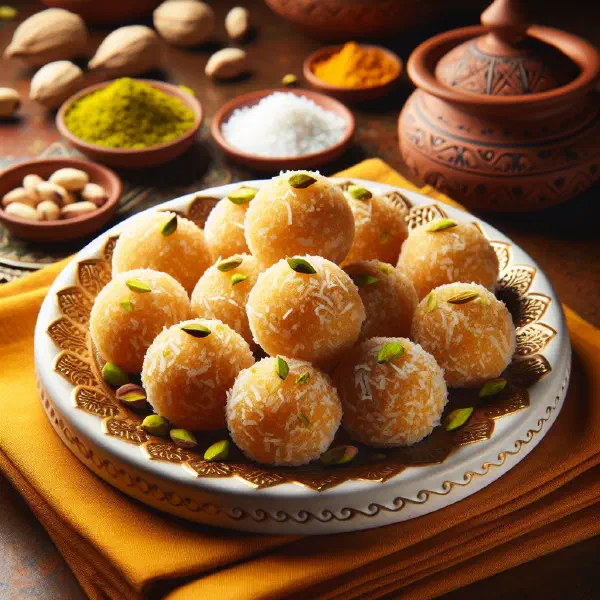
- 100 g desiccated coconut
- A pinch of salt
- Oil, for frying or steaming
Shopping for the ingredients
The ingredients for pitha are easy to find in Asian grocery shops or in well-stocked supermarkets. Look for good-quality rice flour and fresh coconut to get the very best flavour. The ingredients are often available in organic quality too, which can add to the enjoyment. A visit to a local market can also help you discover fresh produce while soaking up something of the local culture.
Preparing the dish
Before you begin making pitha, it is important to have everything to hand. Measure out the rice flour you need and prepare the filling by mixing the sugar and coconut together well. It also helps to have enough work surface to roll out the dough and shape the pitha. This bit of preparation keeps the cooking process smooth and lets you get the most enjoyment out of the finished dish.
Step-by-step instructions
- Put the rice flour, water, salt and sugar into a bowl and stir to a smooth dough.
- Divide the dough into small portions and roll each one out thinly.
- Spoon the prepared coconut filling onto the rolled-out pieces of dough.
- Fold over the edges of the dough so the filling is sealed inside.
- Fry the pitha in a pan with a little oil, or cook them in a steamer.
- Serve with honey or extra sugar to taste.
Gluten-free / lactose-free version
For a gluten-free version of pitha, you can use rice protein or other gluten-free flours such as almond or coconut flour. These alternatives offer a gluten-free preparation and a distinctive flavour of their own. When choosing fillings, take care that they too are free from gluten and lactose, so that any dietary needs are respected. The method stays the same, so you can still enjoy the full experience of the dish.
Tips for vegans and vegetarians
Pitha is easily made vegan by using plant-based alternatives to eggs and milk. Instead of dairy milk you can use plant-based milks such as soya or almond, and eggs are not needed for the preparation at all. The fillings can also be adjusted to include only plant-based ingredients. This opens the door to creative variations while still keeping that authentic taste.
More tips and tricks
To improve the texture and flavour of pitha, various spices and aromas can be added. Cinnamon or vanilla, for example, lend an interesting note to a sweet filling. Take care not to cook the pitha for too long, or they can turn dry. Experimenting with fillings can lead to new and exciting flavours and makes the whole cooking process even more enjoyable.
Adapting the recipe to your taste
The beauty of pitha lies in the variety of fillings, which can be changed to suit your preference. When making them, you might choose different nuts, dried fruits or even chocolate for the filling. This scope for adaptation makes pitha a very personal dish. Whether sweet or savoury, tailoring it to your own taste makes the cooking and the eating all the more rewarding.
Ingredient substitutions
If you cannot find particular ingredients, or simply fancy trying different flavour combinations, there are plenty of options. In place of coconut, for instance, you could use chocolate or fruit as a filling. In the case of allergies, nut alternatives can be considered. This versatility means pitha leaves plenty of room for an adventurous culinary discovery, much like the sweet, milky comfort of a bowl of Kheer.
Drink pairing ideas
Pitha goes beautifully with a range of drinks. A sweet chai or a cup of fresh herbal tea makes a lovely companion. For a more refreshing note, fruity lemonades or freshly pressed juices work well too, a chilled Lebu Pani is a natural match. Pair pitha with your favourite drink to round off the whole flavour experience.
Serving and presentation ideas
Presentation can greatly enhance the enjoyment of pitha. Serve them on colourful plates and garnish with fresh herbs or edible flowers. An attractive arrangement on the table creates an inviting atmosphere and appeals to your guests. Serving them in small portions also gives everyone the chance to sample several different fillings.
A bit of history
Pitha has a long tradition in Bengali culture and has been made for centuries. Originally intended as a winter feast, the preparation has evolved over many generations. Every part of Bangladesh has its own special variations and traditions surrounding pitha. These delicious rice cakes are part of the cuisine and stand for an important cultural identity, a defining thread in Bangladeshi cuisine.
More recipe ideas
Summary: Pitha
Pitha is a wonderful example of the cuisine of Bangladesh, equally at home as a snack or as a main course. The wealth of fillings and preparation methods brings flavour and tradition to the table. By using fresh ingredients you can adapt the recipe with ease, creating both vegan and gluten-free options along the way. Enjoy the art of making pitha and share this cultural experience with friends and family.