National Dish Bangladesh: Pithe Puli (Recipe)
In this article
Meet Pithe Puli, a beloved winter sweet from Bangladesh that turns a handful of humble ingredients into something truly special. Tender rice-flour dumplings cradle a fragrant filling of fresh coconut and dark, treacly jaggery, then steam gently until soft and pillowy. Made in kitchens across the country as the cold months set in, these little parcels are as much about family and tradition as they are about flavour. Bring a taste of a Bangladeshi winter festival to your own table.
About Pithe Puli
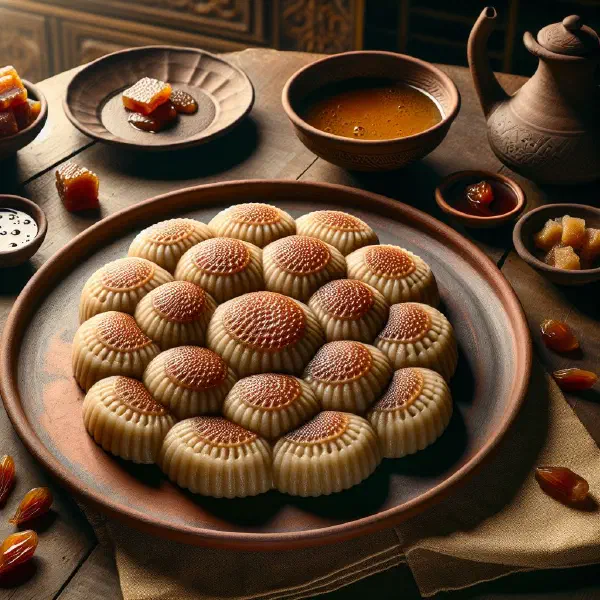
Pithe Puli is a traditional dish from Bangladesh, prepared above all during the winter months. It takes the form of delicate rice dumplings filled with a delicious mixture of coconut and jaggery. This sweet treat is hugely popular and is often served at festive occasions. Making it is a culinary craft and a lovely tradition, passed lovingly from one generation to the next. It sits proudly among the classic sweets of Bangladeshi cuisine.
Ingredients (serves 1–2)
- 1 cup rice flour
- 1/2 cup grated fresh coconut
- 1/3 cup jaggery (grated or crushed)
- 1/4 cup water
- A pinch of salt
- 1 tablespoon ghee or vegetable oil (optional)
Shopping for the ingredients
When shopping for pithe puli, it is worth choosing fresh, good-quality ingredients. Coconut can be bought fresh or dried, though fresh coconut delivers the best flavour. Jaggery, made from unrefined sugar-cane juice, can be found in Asian grocery shops or ordered online. Rice flour is available in most supermarkets, but check the type to make sure you get the best quality for a smooth, workable dough.
Preparing the dish
Before you start making Pithe Puli, it is important to prepare all the ingredients. First, grate the coconut and crush the jaggery if it comes in larger lumps. It helps to use lukewarm water, which makes the dough more supple and easier to shape. Take care to add just the right amount of salt, as it rounds out and lifts the flavour of the finished dish.
Step-by-step instructions
- In a bowl, combine the rice flour, the pinch of salt and the water to form a smooth, pliable dough.
- In a separate bowl, mix the grated coconut with the jaggery and stir well until evenly combined.
- Shape small balls from the dough and press a little hollow into each one.
- Fill the hollow with the coconut-jaggery mixture, then seal it well by pinching the dough closed.
- Steam the filled dumplings in a steamer basket for about 15–20 minutes.
- Serve the warm Pithe Puli with a little ghee, or simply just as they are.
Gluten-free / lactose-free version
For anyone following a gluten-free or lactose-free diet, Pithe Puli is a wonderful option, since its main ingredients are naturally gluten-free. Just make sure you use a good-quality rice flour that has not come into contact with gluten. For a lactose-free version, leave out the ghee or replace it with vegetable oil. That way you can enjoy these traditional dumplings without any worry about intolerances.
Tips for vegans and vegetarians
Pithe puli is naturally vegetarian, and it is easy to adapt the recipe for vegans. Simply choose a jaggery that has been made without any animal products. Using vegetable oil in place of ghee makes the dish completely vegan. Folding extra plant-based ingredients such as almonds or other nuts into the filling can add further flavour and nutrition.
More tips and tricks
To get the most out of your Pithe Puli, keep an eye on the steaming time so the dumplings cook through properly. A good ideal steaming time is around 15–20 minutes, depending on the size of the dumplings. Use a damp cloth to keep them warm until you are ready to serve. Experiment with the filling by adding different nuts or dried fruits to create new flavours.
Adapting the recipe to your taste
The recipe for Pithe Puli is easy to tailor to personal preference. You can turn the sweetness up or down by using more or less jaggery. You can also vary the filling to taste. Try different combinations of nuts and spices to create your own unique version. Depending on your liking, a hint of cardamom works beautifully for a little extra fragrance.
Ingredient substitutions
If you do not have fresh coconut to hand, you can use dried desiccated coconut instead, though the freshly grated version is unbeatable in flavour. The jaggery can also be swapped for honey or brown sugar, which will change the taste slightly. You can experiment with different types of flour too, but be sure they are gluten-free if that is what you need. The same coconut-and-syrup magic runs through the crepe-style Pati Shapta.
Drink pairing ideas
A range of drinks pairs nicely with sweet Pithe Puli and supports their flavour. A cup of masala chai is an excellent match, as the warm spices form a wonderful combination. A fresh mint tea can also balance the sweetness of the dumplings perfectly. For a refreshing experience, a coconut drink or a fruity smoothie makes a lovely accompaniment.
Serving and presentation ideas
Present your Pithe Puli on a colourful plate or in a pretty basket to serve the dumplings attractively. Decorate the platter with fresh mint leaves or edible flowers to add a touch of elegance. If you are using ghee, set out small bowls of melted ghee alongside so guests can dip as they please. An appealing presentation lifts the whole eating experience.
A bit of history
Pithe Puli has deep cultural roots and has been made in Bangladesh for centuries. It is more than just a dish; it reflects the traditions and the craftsmanship of local communities. During the harvest season and through the cold winter months, families often gather to prepare and enjoy pithe together. This tradition strengthens the sense of community and gives Bangladeshi culinary culture a special place in people’s hearts, much like the celebratory sweets Roshogolla and Sandesh.
More recipe ideas
Summary: Pithe Puli
Pithe Puli is a delicious sweet recipe from Bangladesh, prepared above all during the winter season. The combination of tender rice dough and a luscious coconut-jaggery filling makes it a memorable treat. Spoil your guests at festive occasions, or simply enjoy it at home. This dish brings flavour to the table and a piece of Bangladesh’s rich culture.