National Dish Bangladesh: Sandesh (Recipe)
In this article
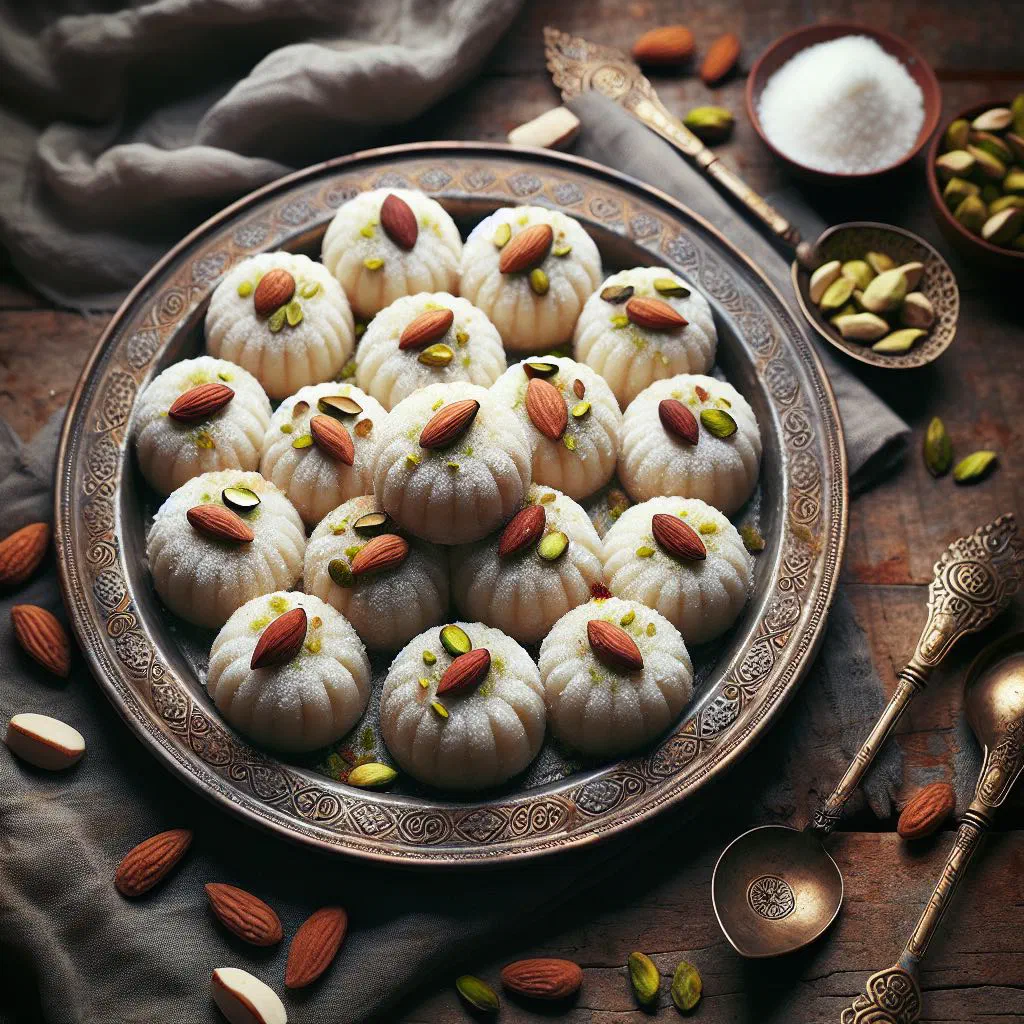
Discover Sandesh, one of the crowning jewels of Bengali sweet-making and a beloved treat right across Bangladesh. Made from fresh chhena, a soft, freshly curdled cheese, this delicate confection melts on the tongue with its gentle sweetness and fragrant spice. More than just a dessert, sandesh is woven into the cultural fabric of the region, appearing at weddings, festivals and quiet family celebrations alike. Bring a taste of Bengal’s rich culinary heritage into your own kitchen with this simple, elegant sweet.
About Sandesh
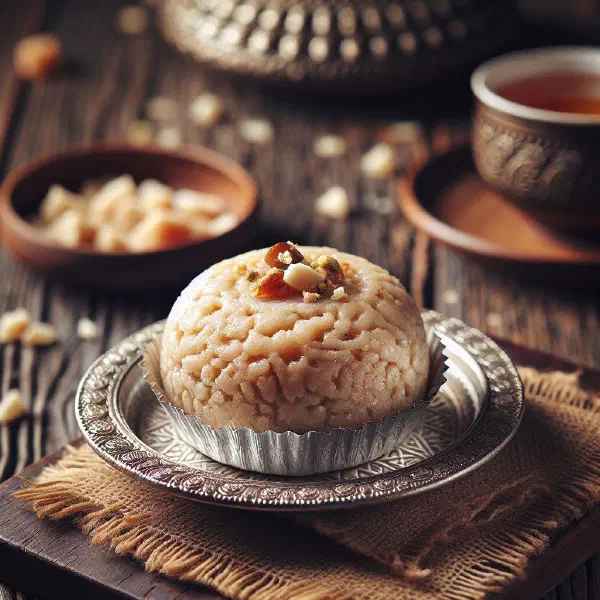
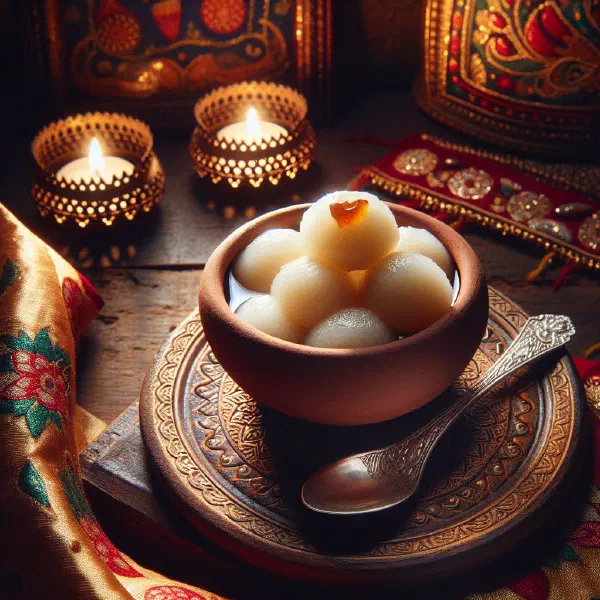
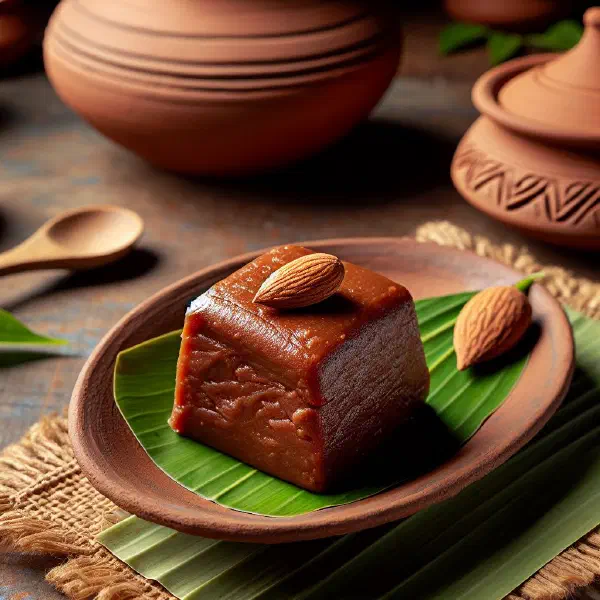
Traditional Sandesh is a true highlight of Bengali cuisine and a much-loved sweet across Bangladesh. Made from fresh chhena, a kind of soft cheese curd, the dish is prized for its delicate texture and its gentle, sugary aromas. This distinctive sweet is a pleasure for the palate and part of Bangladesh’s cultural identity. Every bite of sandesh is a tribute to the local art of confectionery and the rich traditions that lie behind this delicacy.
Ingredients (serves 1–2)
- 200 g chhena (or cottage cheese)
- 100 g sugar
- 1/4 teaspoon ground cardamom
- A handful of chopped pistachios or almonds, to decorate
- 1–2 tablespoons milk (optional)
Shopping for the ingredients
Before you begin making sandesh, it is worth sourcing the freshest ingredients you can. Chhena is available in many Indian or Asian grocery shops, or you can easily make it yourself at home. Choose good-quality sugar and fresh spices, as these have a real impact on the flavour of the finished sweet. If you follow a vegan diet, there are special plant-based alternatives to chhena that work beautifully here.
Preparing the dish
Once you have gathered all the ingredients you need, you can begin the preparation. It is important to press the chhena well before working with it to remove any excess moisture. This ensures the sandesh has a perfect consistency and lets the sweetness shine through. Prepare your garnishes too, such as the chopped pistachios or almonds, which lend the sweet extra flavour and an appealing finish.
Step-by-step instructions
- Place the chhena in a bowl and combine it thoroughly with the sugar and ground cardamom.
- If you like, add the milk and knead everything into a smooth, uniform mixture.
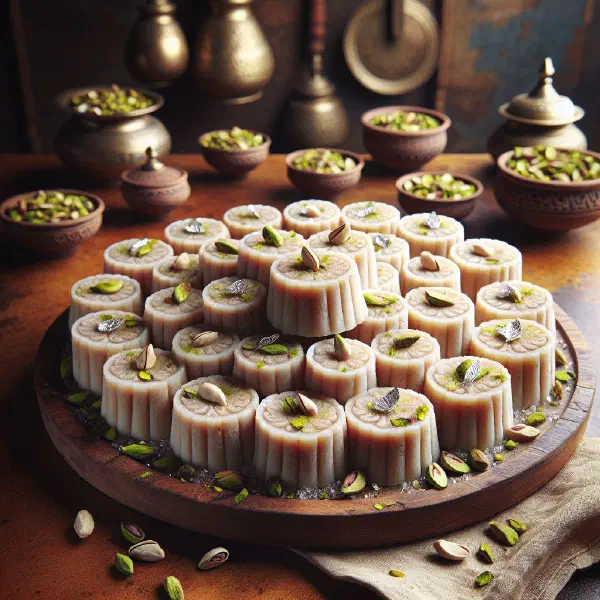
- Divide the mixture into small portions and shape as you please — traditionally they are formed into little balls or flat discs.
- Decorate the prepared sandesh pieces with chopped pistachios or almonds.
- Chill the sandesh in the fridge for a while to firm up before serving.
Gluten-free / lactose-free version
Sandesh is already gluten-free, as it consists only of chhena, sugar and spices. For a lactose-free version, you can use plant-based alternatives to chhena. Plenty of products based on cashew or soya are available on the market, and these give the sweet a similar consistency and a delicious flavour. This makes sandesh an easy treat to share with guests who avoid dairy.
Tips for vegans and vegetarians
Vegans can adapt traditional sandesh with ease by using plant-based alternatives to chhena. Coconut milk or cashew cheese are both excellent options. It is also worth checking that the sugar you use is vegan, as some sugars are refined using animal-derived products. With these small swaps, vegans too can enjoy this good sweet without missing out on any of the flavour.
More tips and tricks
To achieve the best result, always keep your ingredients fresh. Take care to dry the chhena well before use so you avoid any excess moisture, which is the key to a good texture. Another handy tip: add a hint of almond essence while kneading to give the sandesh an extra layer of flavour. Storing it in the fridge helps improve both its texture and its taste.
Adapting the recipe to your taste
The wonderful thing about sandesh is how easily it lends itself to personal preference. Experiment with different flavours by adding other spices or types of nut. For a fruity note, you can work in puréed fruit such as mango or strawberry. With a little creativity you can give your sandesh a truly personal touch and keep discovering new variations, much in the spirit of a creamy Mishti Doi.
Ingredient substitutions
If you do not have chhena to hand, you can use cottage cheese as a substitute. This may make the sandesh a little less sweet, but it still offers a similar consistency. Instead of sugar you can use honey or agave syrup for an alternative source of sweetness. Experiment with different nuts and find out which combinations suit your taste best, the same spirit of playful sweetness you’ll find in Chanar Payesh.
Drink pairing ideas
To round off the sandesh experience, certain drinks make a wonderful match. A classic chai tea harmonises perfectly with the sweetness of the dessert, creating a lovely balance of flavours. Alternatively, a refreshing glass of mango lassi brings out the tropical notes beautifully. Experiment with different drinks to find the best pairing for your own palate.
Serving and presentation ideas
Presentation plays an important part in making sandesh look as good as it tastes. Use attractive plates and arrange the sandesh pieces in a decorative pattern. Garnish with fresh fruit or elegant swirls of chocolate sauce to lift the dessert visually. With a little creativity, your sandesh will be delicious and a genuine centrepiece on any table.
A bit of history
Sandesh has its roots in Bengali culture and has been a fixture of Bangladesh’s culinary tradition for centuries. The history of this sweet reaches back to the 19th century, when it accompanied moments of joy and festive occasions above all. Sandesh is often served at weddings, religious festivals and special celebrations, which makes it a symbol of joy and togetherness. It is more than just a dessert; it represents the culture and heritage of a nation, and stands proudly among the classics of Bangladeshi cuisine.
More recipe ideas
Summary: Sandesh
In summary, sandesh is a delicious sweet and a cultural symbol of Bangladesh. With its delicate texture and gentle sweetness, it is served with pleasure at festivals and celebrations. Its simple preparation and the freedom to make personal adjustments make it a favourite dessert for many. Try this traditional recipe and let yourself be enchanted by the sweetness of Bangladesh.