National Dish Barbados: Bajan Cou-Cou (Recipe)
In this article
Cou-Cou is cornmeal and okra cooked into a firm, glossy mound, and it is half of Barbados’s national dish. The other half is flying fish. On its own cou-cou is deliberately plain; the okra gives it a silkiness that plain cornmeal does not have.
About Bajan Cou-Cou
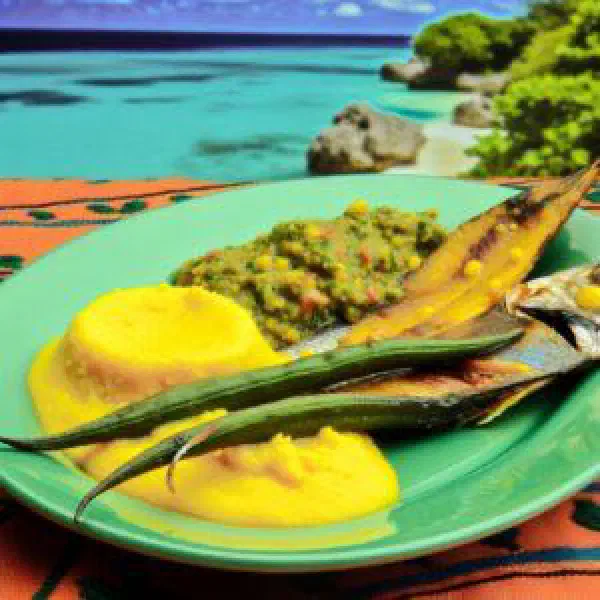
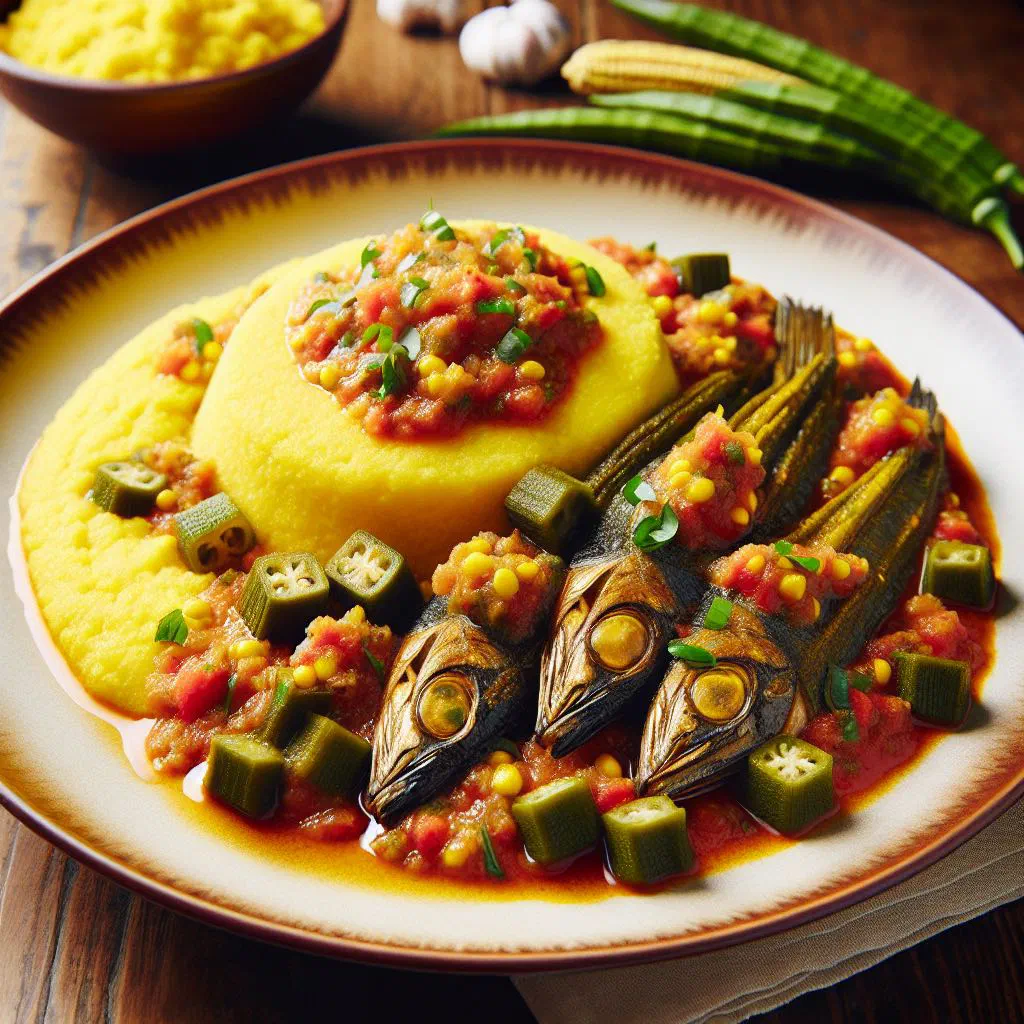
Cou-cou and flying fish is the national dish of Barbados, and Friday lunch across the island. The cou-cou is cornmeal stirred with okra until it thickens enough to hold a shape, then packed into a bowl and turned out as a smooth dome. It is served with steamed or fried flying fish in a tomato and herb gravy.
The stirring is the whole skill. Bajans use a cou-cou stick, a flat wooden paddle, and the technique is what separates a smooth cou-cou from a lumpy one.
Ingredients (serves 1–2)
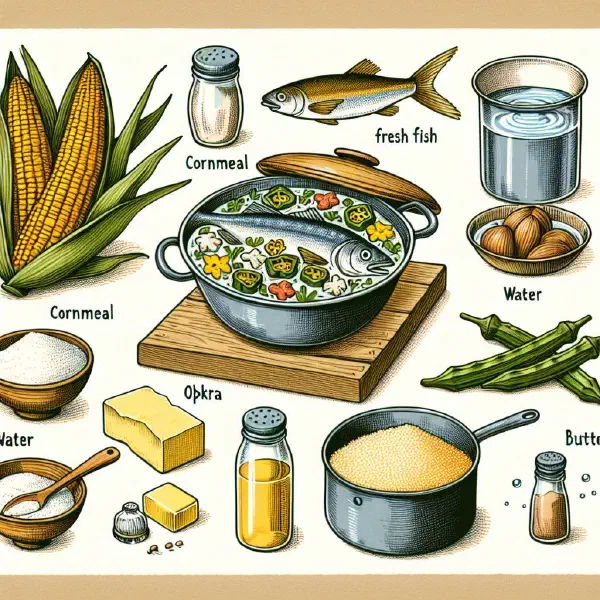
- 1 cup ground cornmeal
- 1 cup okra, cut into small pieces
- 2 cups water
- 1 onion, finely chopped
- 1–2 garlic cloves, chopped
- Salt and pepper to taste
- 2 tablespoons butter or margarine
Shopping for the ingredients
Fine or medium cornmeal is right; coarse polenta stays gritty. Fresh okra is better than frozen here because you want the mucilage it releases, which is what gives cou-cou its texture. Choose small, bright green pods that snap rather than bend.
Preparing the dish
Cook the okra first and keep its cooking water. That liquid is doing the work, not plain water. Mix the cornmeal with a little cold water into a slurry before it goes into the pot, which is the reliable way to avoid lumps.
Step-by-step instructions
- Bring the water to the boil in a saucepan.
- Add the chopped onion and garlic and let them cook for a few minutes until soft.
- Add the chopped okra to the pan and continue to simmer.
- Slowly stir in the ground cornmeal to avoid lumps.
- Simmer over low heat, stirring, for about 15 minutes until the mixture reaches the desired consistency.
- Season with salt, pepper and butter, and give it a good stir before serving.
Gluten-free / lactose-free version
Cornmeal contains no gluten, so cou-cou is naturally suitable. Use oil or a plant margarine instead of butter for a lactose-free version, which changes very little.
Tips for vegans and vegetarians
Cou-cou made with oil is vegan as it stands, and it is eaten that way plenty. Serve it with a tomato and thyme gravy over fried aubergine or callaloo instead of fish and you have a full Bajan plate.
More tips and tricks
Stir constantly and in one direction, scraping the base. Stop for thirty seconds and it catches. Keep the okra water rather than draining it. And turn the finished cou-cou into a wetted bowl, let it sit two minutes, then invert it onto the plate; it holds the shape and looks like it should.
Adapting the recipe to your taste
A little coconut milk in place of some of the water is a common enrichment. Thyme and a whole hot pepper cooked in the liquid and removed at the end add depth without heat. Breadfruit cou-cou is the other traditional version, made where cornmeal was scarce.
Ingredient substitutions
Frozen okra works if fresh is unavailable. Polenta can replace cornmeal with a longer cook. Butter, margarine and oil are interchangeable here.
Drink pairing ideas
Banks beer or a rum punch are the island answers. Mauby, the bittersweet bark drink, is what many Bajans actually have with lunch. Fresh lime squash cuts the starch well.
Serving and presentation ideas
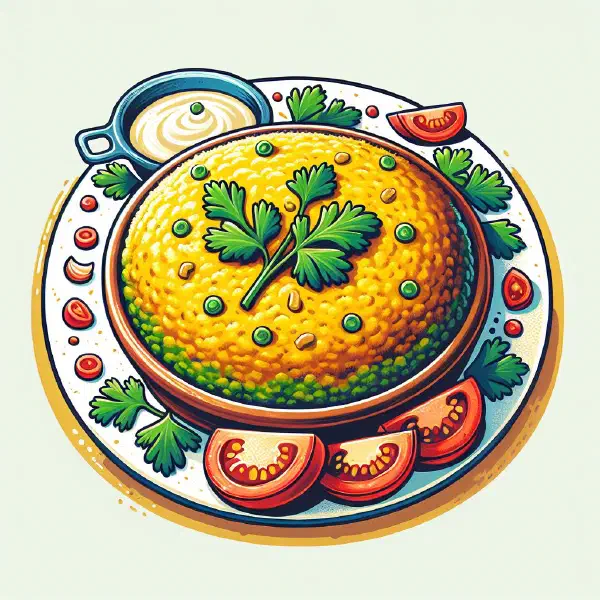
Turn the cou-cou out as a dome, lay the flying fish beside it and spoon the gravy over both. Bajan pepper sauce goes on the table, never on the plate in advance. Eat it hot, since cou-cou sets firm as it cools.
A bit of history
Cou-cou descends from West African maize and okra porridges brought to the Caribbean through slavery, and close relatives are eaten across the region as fungee, funchi and coo-coo. Pairing it with flying fish is specifically Barbadian: the fish shoals in the island’s waters and appears on the coat of arms. It is the centre of Barbadian cuisine.
More recipe ideas
Summary: Bajan Cou-Cou
Cou-cou is cornmeal stirred with okra and its cooking water until it holds a shape. Stir without stopping, keep the okra liquid, and turn it out of a wet bowl while hot.