National Dish Barbados: Pepperpot (Recipe)
In this article
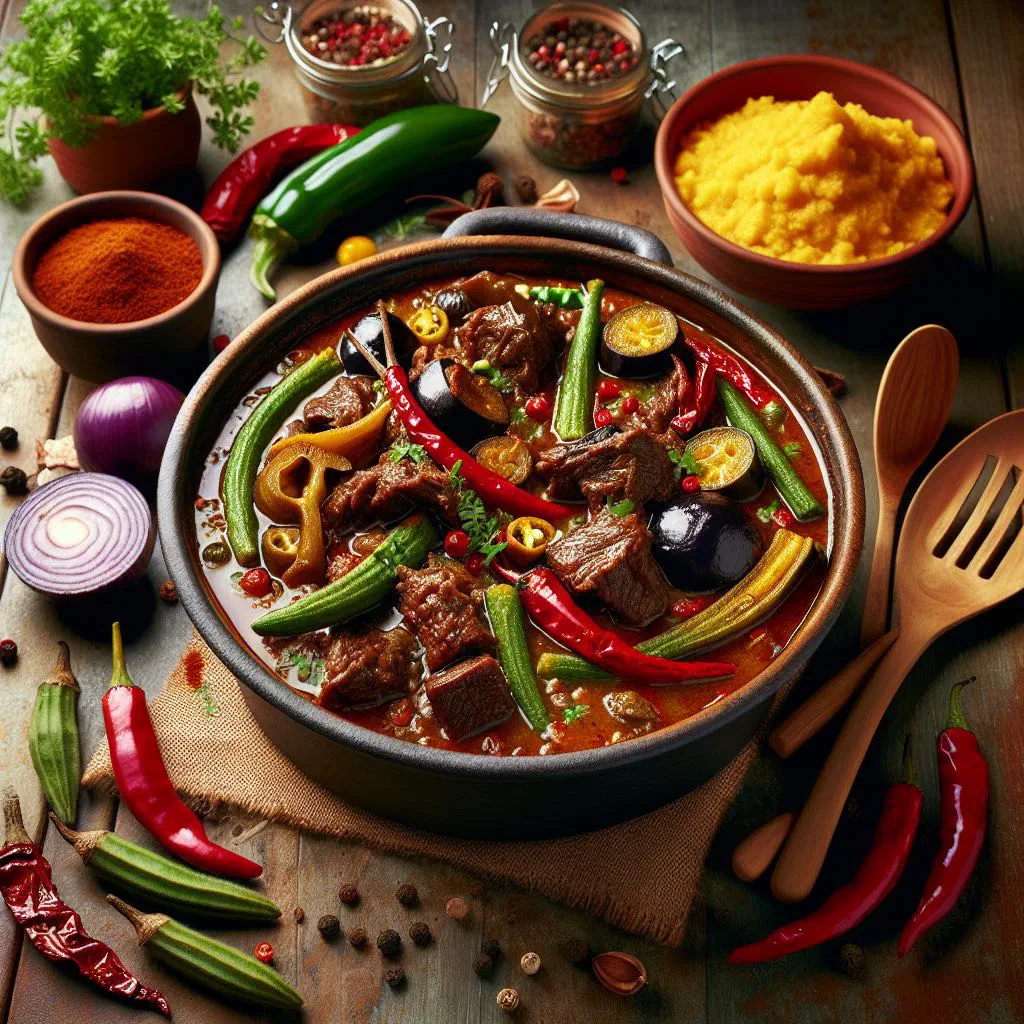
Meet Pepperpot, a soul-warming Barbadian classic that has won over food lovers far beyond the Caribbean. This deeply aromatic stew brings together tender, slow-braised meat, a lively hit of Scotch bonnet chilli and the warm perfume of allspice and black pepper. Traditionally reserved for special occasions, it rewards a little patience: hours of gentle simmering coax out an intense, comforting flavour that tastes of the islands. Bring a taste of Bajan hospitality straight to your own table.
About Pepperpot
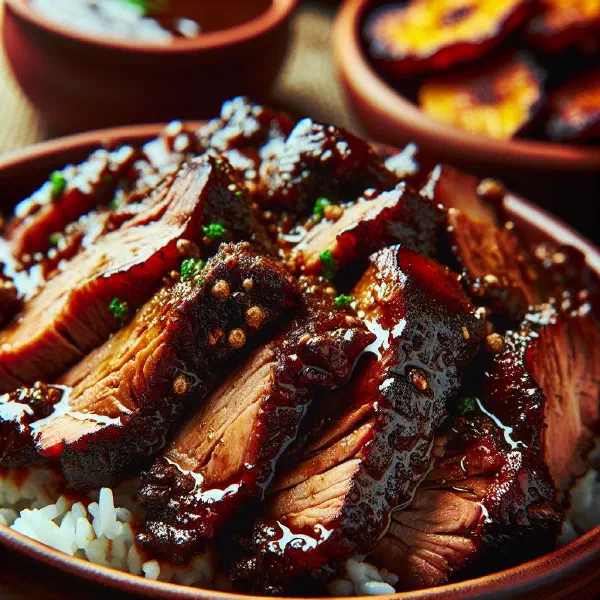
Pepperpot is a traditional national dish of Barbados that has captured the hearts of food lovers around the world. This aromatic stew pairs tender, succulent meat with a blend of exotic spices and the characteristic heat of pepper. Originally prepared by the indigenous peoples of the Caribbean, it was later refined in the kitchens of the settlers. It is often served for special occasions, as the flavour grows especially rich and intense through hours of slow braising. It sits proudly among the finest dishes of Barbadian cuisine.
Ingredients (serves 1–2)
- 500 g beef or pork
- 1 onion, chopped
- 2 cloves garlic, crushed
- 2–3 fresh Scotch bonnet chillies
- 1 tsp allspice berries
- 1 tsp black pepper
- 200 ml rum
- 500 ml beef stock
- 1 tsp brown sugar
- Salt to taste
Shopping for the ingredients
The ingredients for Pepperpot are fairly easy to source, especially in international supermarkets or Caribbean speciality shops. Be sure to choose fresh meat, as this has a considerable influence on the flavour of the stew. Herbs and spices should also be fresh to guarantee their full aroma. When buying the Scotch bonnet chillies, take particular care to pick ones that are fresh and not past their best. A jar of homemade Pepper Sauce is another handy Bajan staple to keep on the shelf.
Preparing the dish
Preparation is key to bringing out the full flavour profile of Pepperpot. Begin by cutting the meat into even cubes so it cooks uniformly. The onion and garlic should be finely chopped so they blend smoothly into the stew. Have all the spices measured out and ready too, so you can work efficiently once the cooking begins.
Step-by-step instructions
- Brown the meat in a large pot until it is coloured on all sides.
- Add the onion and garlic and cook for a few minutes until softened and translucent.
- Stir in the Scotch bonnet chillies, allspice berries and black pepper.
- Deglaze with the rum and bring to the boil.
- Add the beef stock and sugar, stir well and bring back to the boil.
- Cover the stew and let it braise over low heat for 2–3 hours.
- Season with salt and serve piping hot.
Gluten-free / lactose-free version
Pepperpot is naturally gluten-free and lactose-free. To be on the safe side, use a certified gluten-free stock if you are especially sensitive. The dish contains no dairy at all, so it is well suited to anyone with a lactose intolerance. That way, everyone who has to avoid gluten or lactose can still enjoy this delicious Caribbean speciality.
Tips for vegans and vegetarians
Although the traditional recipe for Pepperpot contains meat, there are creative ways to make a vegan or vegetarian version. Swap the meat for a mix of pulses such as chickpeas or lentils and add vegetables like carrots and peppers. Use a vegetable stock to deepen the flavours. These variations keep the character of the original while remaining hearty and nourishing, much like a bowl of Callaloo.
More tips and tricks
For the best results, toast the spices before adding them to release their full aroma. Marinating the meat overnight can also help make it more tender and flavourful. Adjust the number of chillies to suit your own taste for heat. Pepperpot is also wonderful made a day ahead and kept in the fridge, as the flavours develop beautifully when left to rest.
Adapting the recipe to your taste
Another great thing about Pepperpot is its versatility. Adapt the recipe to your own preferences by trying different cuts of meat or even fish. You can vary the spices too. Add cumin or tamarind, for example, for an intriguing new note. Adjustments like these make the dish feel unique and personal.
Ingredient substitutions
If you do not have every ingredient to hand, there are plenty of alternatives you can use in Pepperpot. You could replace the rum with apple cider, for instance, which adds a fruity note. In place of Scotch bonnet chillies, use jalapeños, which are milder but still bring a gentle kick. A homemade Bajan Hot Pepper Sauce can also stand in for fresh chillies. Experiment with different ingredients to tailor the recipe to your taste.
Drink pairing ideas
Pepperpot pairs beautifully with refreshing drinks that echo the flavours of the dish. A classic rum cocktail or an alcohol-free fruity lemonade make perfect companions. A deep-red Caribbean punch, such as a Sorrel Punch, can be the ideal accompaniment too.
Serving and presentation ideas
The presentation of your Pepperpot should be every bit as appealing as its flavour. Serve the stew in a handsome bowl, garnished with fresh herbs such as coriander or parsley. A few squeezes of lime juice can lend the dish a bright, zesty freshness. Creative plating turns the meal into a celebration and brings out the Caribbean mood all the more. A side of Coconut Rice makes for a satisfying complete plate.
A bit of history
Pepperpot has its roots in the history of the Caribbean, where indigenous peoples and later European settlers blended their cooking traditions. It is a dish shaped by many cultural influences, African, European and indigenous alike. Originally prepared as a festive meal, it quickly became a symbol of Barbadian cuisine. The preparation and ingredients can vary from region to region and family to family, giving the dish real character and variety.
More recipe ideas
Summary: Pepperpot
All in all, Pepperpot is a unique and flavour-packed dish from Barbados that brings the tastes of the Caribbean to your plate. With its history and its versatility, it can be prepared in both traditional and modern ways. A vegan or a vegetarian, the recipe’s many adaptations offer something for every taste. Let the cooking of the Caribbean inspire you and give this delicious stew a try.