National Dish Belarus: Tukmachi (Recipe)
In this article
Meet Tukmachi, a warming, unfussy dish from the Belarusian countryside that turns a handful of humble ingredients into something genuinely satisfying. Nutty buckwheat, gently softened onions and a scattering of cooked vegetables come together in a single pan, ready in well under an hour. It is the kind of rustic cooking that has fed families for generations, plain-spoken, nourishing and surprisingly easy to make your own.
About Tukmachi
Tukmachi is a traditional dish from Belarus that combines hearty, savoury flavours with a distinctly rustic approach to cooking. Many Belarusian families regard it as part of their cultural identity, a plate that tastes of home rather than of the restaurant table. Because the ingredients are so straightforward, the dish slots easily into almost any kitchen. Cooking it offers an authentic taste and a glimpse into the traditions and eating habits of the region.
Ingredients (serves 1–2)
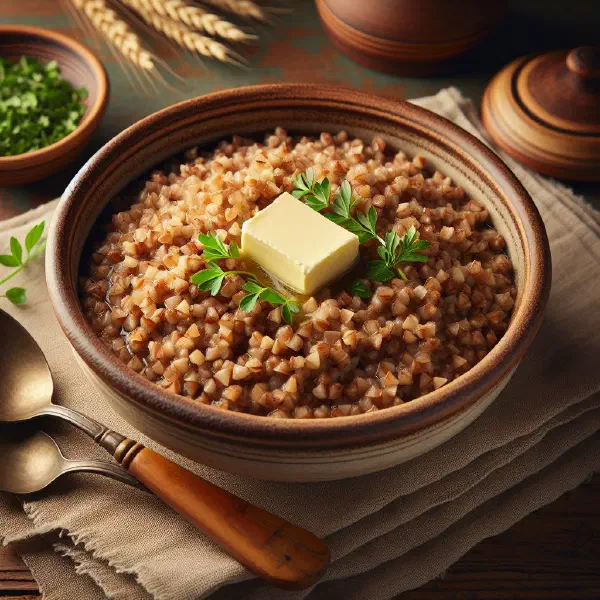
- 200g buckwheat
- 1 onion
- 2 tablespoons butter or vegetable oil
- 200g cooked vegetables (carrots and peas, for example)
- Salt and pepper to taste
Shopping for the ingredients
When shopping for tukmachi, it pays to choose good-quality produce. Fresh onions and well-sourced buckwheat make all the difference to the finished flavour. An organic shop will often stock regional versions of the same ingredients, which tend to taste better and also support the local economy. Buckwheat keeps well, so it is worth buying a decent bag if you plan to cook it again.
Preparing the dish
The groundwork is simple and takes only a few steps. Begin by rinsing the buckwheat thoroughly under cold water to wash away any dust or residue. While it soaks, peel the onion and cut it into small dice. You can also get your chosen vegetables ready at this stage so that everything cooks evenly and nothing is left waiting. Good preparation really is the key to a successful result.
Step-by-step instructions
- Cook the buckwheat in lightly salted water according to the packet instructions.
- Heat the butter or oil in a frying pan and sauté the onions until translucent.
- Add the cooked vegetables and fry for a few minutes.
- Stir the cooked buckwheat into the vegetable mixture and combine well.
- Season with salt and pepper and warm through briefly before serving.
Gluten-free / lactose-free version
Tukmachi is naturally a very flexible dish that adapts well to different dietary needs. To make it gluten-free, swap the buckwheat for quinoa or a dedicated gluten-free grain blend, the same trick works nicely with a bowl of Kasha. Using vegetable oil instead of butter keeps the dish lactose-free. These small adjustments mean far more people can sit down to this hearty plate without a second thought.
Tips for vegans and vegetarians
Vegans and vegetarians can adapt tukmachi easily by replacing animal products with plant-based alternatives. Vegetable oil in place of butter, along with a more generous helping of vegetables, broadens both the flavour and the nutritional value of the dish. For extra substance, stir in pulses such as lentils or chickpeas. These additions make the meal noticeably more nourishing and filling.
More tips and tricks
A few practical tricks can improve the cooking experience. Softening the onions in a mixture of water and vinegar, for instance, brings out a gently sweet note. Adding herbs such as parsley or dill lends the dish a fresh, green lift. Experiment with the ingredients to give it a personal touch and shape the flavour to suit you, much as cooks do with a pot of Kulesh.
Adapting the recipe to your taste
What makes tukmachi special is how readily it bends to personal preference. Prefer things spicier? Simply add a little chilli or extra pepper. For a richer version, fold through toasted nuts or seeds. This flexibility lets everyone create their own version of the dish. Creativity in the kitchen makes cooking more enjoyable and far more interesting to eat.
Ingredient substitutions
If you do not have every ingredient to hand, it is no great problem. Buckwheat can be replaced with pearl barley or even rice, depending on what you prefer. Frozen vegetables work perfectly well in place of fresh ones and make the preparation even simpler. You might also use a mixture of different vegetables to build more interesting flavours. Let the contents of your fridge guide you.
Drink pairing ideas
Several drinks suit tukmachi beautifully. A refreshing apple or grape juice adds a fruity note to the savoury meal, while the traditional bread drink Kvas is the most authentic choice of all. For something alcoholic, a light white wine complements the flavours without overwhelming them. If you would rather avoid alcohol, a herbal tea blend rounds off the meal and aids digestion.
Serving and presentation ideas
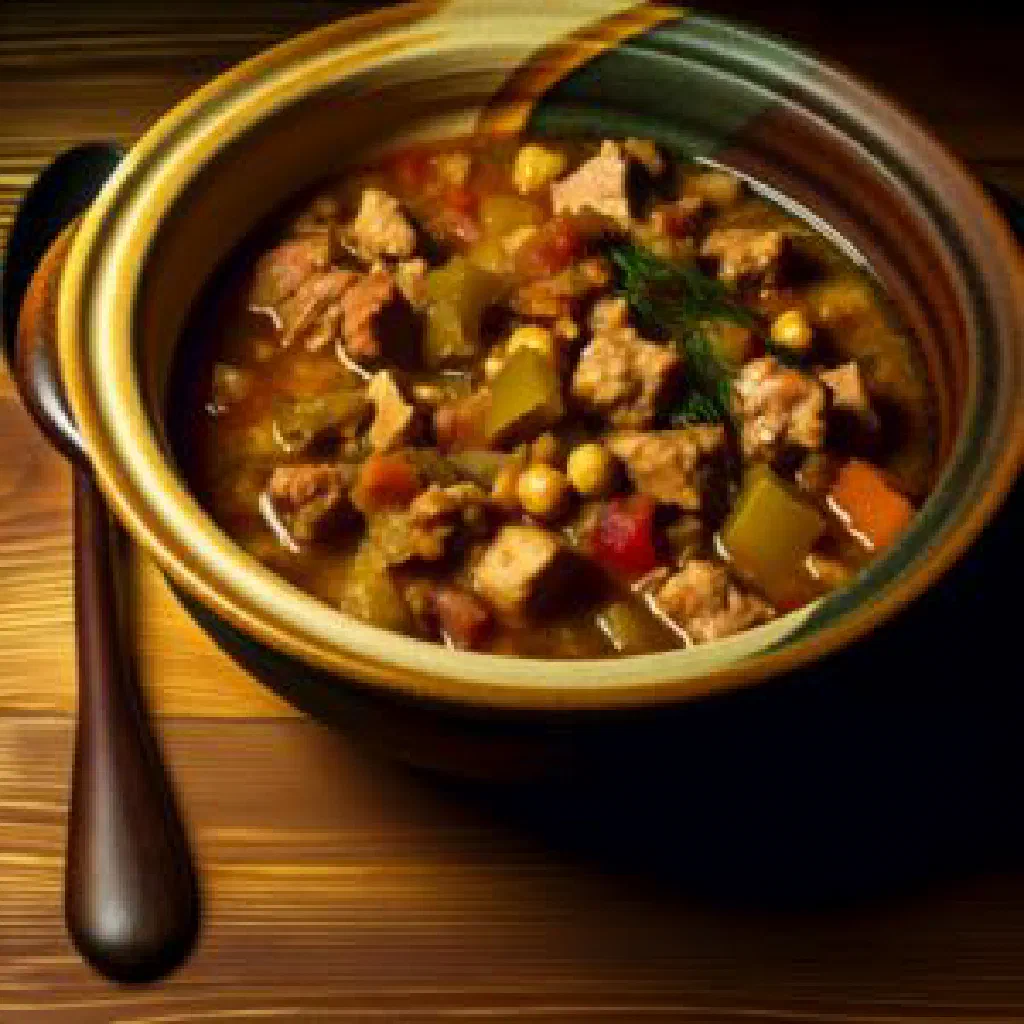
Presentation can lift the tukmachi experience considerably. Serve the dish in a rustic bowl that reflects its country origins. Fresh herbs scattered over the top add colour and visual appeal, turning a plain plate into something inviting. Take care that the portions look generous and neatly arranged. We eat with our eyes as much as our mouths.
A bit of history
Tukmachi has a long history rooted deep in the rural traditions of Belarus. Originally conceived as a dish for poor farming families, it soon became a favourite for all sorts of occasions. Its simplicity and nourishing quality made it especially valued in hard times. It also reflects the influences and traditions of the region, and countless variations have emerged over the years across Belarusian cuisine.
More recipe ideas
Summary: Tukmachi
Tukmachi is a traditional dish that reflects the rich culinary culture of Belarus. With simple ingredients and plenty of room for creativity, it can be adapted in almost any direction you fancy. Enjoy this taste of home and tradition in your own kitchen.