National Dish Belarus: Vareniki (Recipe)
In this article
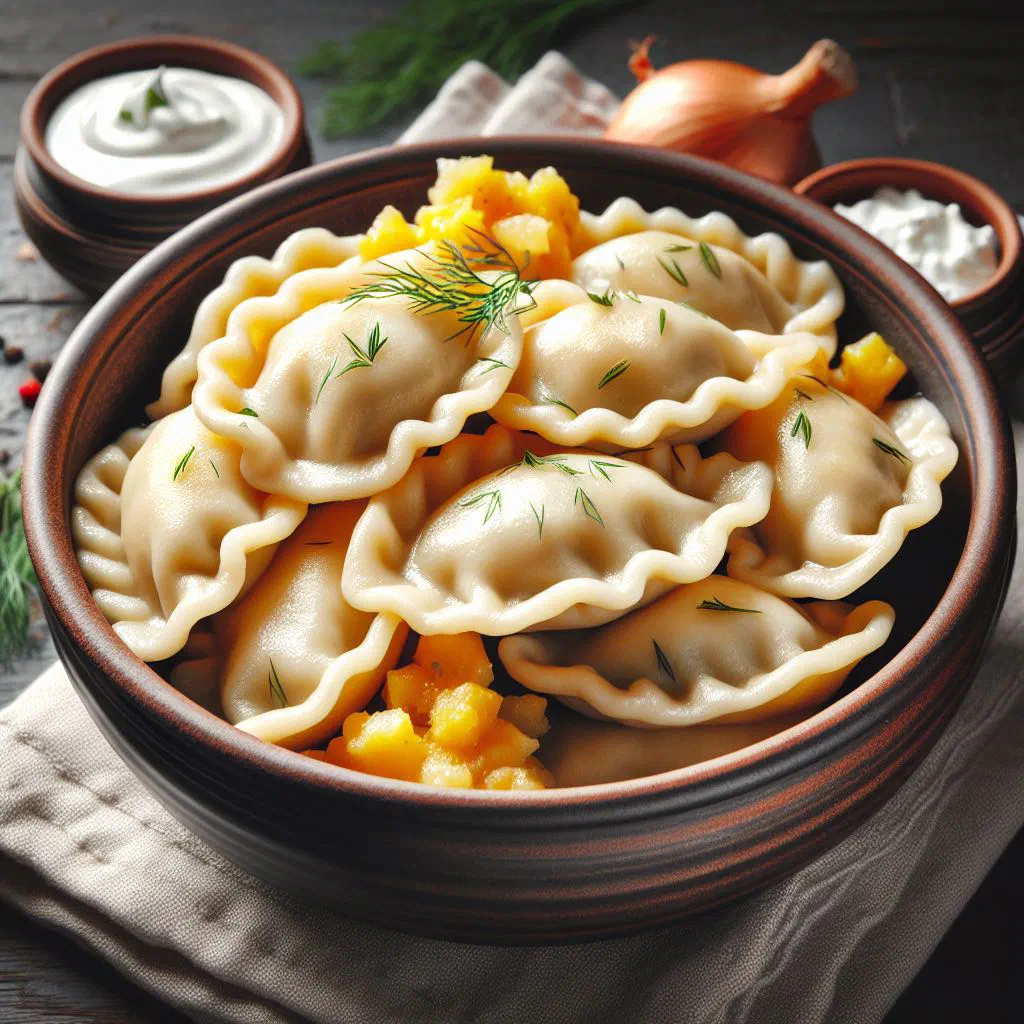
Discover Vareniki, the tender filled dumplings that sit at the very heart of Belarusian home cooking. Soft parcels of thin dough are wrapped around creamy mashed potato, tangy quark or sweet summer fruit, then simmered until they float and finished in a knob of butter. Few dishes say comfort quite so clearly, and few are so happy to be made your own, savoury for supper, sweet for pudding, and always best shared around a crowded table.
About Vareniki
Vareniki, the traditional filled dumplings of Belarus, are a wonderful example of the warm, generous cooking of the region. These delicious little parcels are not only a firm favourite in Belarus but are also widely enjoyed across the other Slavic countries. They are remarkably versatile and can be prepared with an enormous range of fillings, from thoroughly savoury to unashamedly sweet. Whether stuffed with potatoes, quark or sauerkraut, they offer something for every palate.
Ingredients (serves 1–2)
- 250 g plain flour
- 1 egg
- 100 ml water
- 1 pinch of salt
- 200 g potatoes (boiled and mashed)
- 50 g quark
- Butter or vegetable oil, for frying
- Sugar (optional, for sweet vareniki)
Shopping for the ingredients
The ingredients for vareniki are easy to come by, and most of them are stocked in any ordinary supermarket. When shopping, take care to choose good-quality flour, as this has a real influence on the texture of the dough. If you intend to make a sweet version, pick a decent sugar that will bring out the flavour of the filling. Fresh or well-chilled dairy products will also give you the best possible result, much as they do in a classic Syrniki.
Preparing the dish
Before you start shaping vareniki, it is worth having everything ready and to hand. Boil the potatoes in advance and mash them thoroughly so the filling turns out smooth and free of lumps. Prepare the quark too, if you plan to use it in the filling. Make sure all the ingredients have come up to room temperature, as this makes the dough far easier to knead.
Step-by-step instructions
- Put the flour, egg, water and salt into a bowl and knead to a smooth, supple dough.
- Wrap the dough in cling film and leave it to rest for 30 minutes.
- Roll the dough out on a floured surface and cut it into circles.
- Spoon the filling of mashed potato and quark into the centre of each circle.
- Fold the edges together and press firmly to seal them.
- Bring a large pan of water to the boil and lower the vareniki in carefully.
- Once the water returns to the boil, reduce the heat and simmer the vareniki for about 5–7 minutes.
- Drain the vareniki and, if you like, fry them briefly in butter or oil.
- Serve with a dusting of sugar or a spoonful of soured cream, as you prefer.
Gluten-free / lactose-free version
For a gluten-free take on vareniki, simply use gluten-free flour, which is now widely available in most supermarkets. Do check that the filling is gluten-free as well by choosing suitable ingredients throughout. For a lactose-free version, replace the quark with lactose-free quark or a plant-based yoghurt. These small adjustments mean everyone can enjoy vareniki without a second thought.
Tips for vegans and vegetarians
Vareniki lend themselves beautifully to vegan adaptations. In place of the egg you can use plain water or a mixture of ground linseed and water to bring the dough together. For the filling, options such as vegetables, mushrooms or tofu work particularly well. Just check as you shop that every product you use is genuinely plant-based, and the dish will meet vegan requirements without losing any of its character.
More tips and tricks
For faultless vareniki, take care not to roll the dough out too thinly, or it will tear during cooking. Equally, give each one enough filling so the dumplings are properly generous without spilling over at the seams. Cook a single test dumpling in boiling water first to check that it stays sealed. Once you have found the right balance of dough and filling, every batch will turn out well, the same patience that pays off with Kletski.
Adapting the recipe to your taste
The vareniki recipe is easy to shape around your own preferences. If you enjoy playing with spices, try adding a little nutmeg or freshly ground black pepper to the filling. You can vary the filling with the seasons too, using whichever vegetables or fruit happen to be at their best. It is also worth experimenting with different cooking methods, from simple boiling to baking, to discover new flavours.
Ingredient substitutions
If one of the main ingredients is missing from your kitchen, there are plenty of alternatives to fall back on. Rye flour, for instance, can stand in for wheat flour and gives the dough a coarser, earthier texture. For the filling, pulses or pumpkin make a fine replacement for potato and bring interesting new flavours with them. Quark, too, has several plant-based substitutes that keep the dumplings every bit as tasty.
Drink pairing ideas
Choosing the right drink rounds off a plate of vareniki perfectly. A traditional option is kompot, the sweet fruit drink that goes especially well with the sweet versions, see our Kompot recipe. For the savoury fillings, kefir or a good light beer make excellent companions, as does a glass of tangy Kvas. Sparkling water with a squeeze of lemon offers a refreshing alternative to this thoroughly filling dish.
Serving and presentation ideas
Presentation matters if you want vareniki to look as good as they taste. Serve them on a large platter, scattered with fresh herbs such as dill or parsley. A small bowl of soured cream or yoghurt alongside improves both the appearance and the flavour of the meal. You can also have some fun with the arrangement, stacking the dumplings into little towers and decorating the plate with fruit.
A bit of history
Vareniki have a long tradition in Slavic cooking and reach back through many generations. These dumplings are a symbol of the cultural identity of Belarus and its neighbouring countries. Different regions prepare them with their own local fillings, which has produced an enormous variety of versions across Belarusian cuisine. The name itself derives from the word varenye, meaning “boiled”, which points straight to the way they are cooked.
More recipe ideas
Summary: Vareniki
In short, vareniki are an exquisite dish that embodies both tradition and creativity in the kitchen. The sheer range of fillings and the ease with which they can be adapted have made them a favourite in countless households. Vareniki are a treat for anyone who loves good food. Give the recipe a go and discover the wonderful world of vareniki for yourself.