National Dish Belgium: Couque de Dinant (Recipe)
In this article
Discover Couque de Dinant, one of Belgium’s most characterful sweet treats. These famously hard, glossy biscuits are made from little more than honey, flour and warming spices, yet they carry centuries of craftsmanship in every moulded pattern. Traditionally pressed into carved wooden moulds and baked until deeply golden, they are meant to be nibbled slowly rather than devoured. Bring a genuine piece of Belgian baking tradition into your own kitchen.
About Couque de Dinant
Couque de Dinant is a crisp baked speciality known for being hard and intensely aromatic. What sets it apart is the use of high-quality ingredients such as honey and a mix of warming spices, which give it a flavour quite unlike any ordinary biscuit. These biscuits are treasured not only in Belgium but are steadily winning admirers abroad as well. Whether as a snack between meals or as a thoughtful sweet gift, Couque de Dinant never disappoints.
Ingredients (serves 1–2)
- 250 g plain flour
- 150 g honey
- 1 teaspoon ground cinnamon
- 1 teaspoon ground cloves
- 1 pinch of salt
- Water, as needed
Shopping for the ingredients
When shopping for the ingredients for Couque de Dinant, it pays to choose good-quality products. Visit a well-stocked supermarket or a local market to find fresh honey and whole spices. The choice of flour matters especially, as its quality has a direct effect on the texture of the finished biscuit. Wherever possible, reach for regional or organic products for the very best flavour.
Preparing the dish
Careful preparation is essential before you start making Couque de Dinant. Measure out all the ingredients precisely so you get the best possible result. Good groundwork pays for itself and contributes just as much as the flavour of the ingredients themselves. Make sure everything is at room temperature, as this makes the dough far easier to work with.
Step-by-step instructions
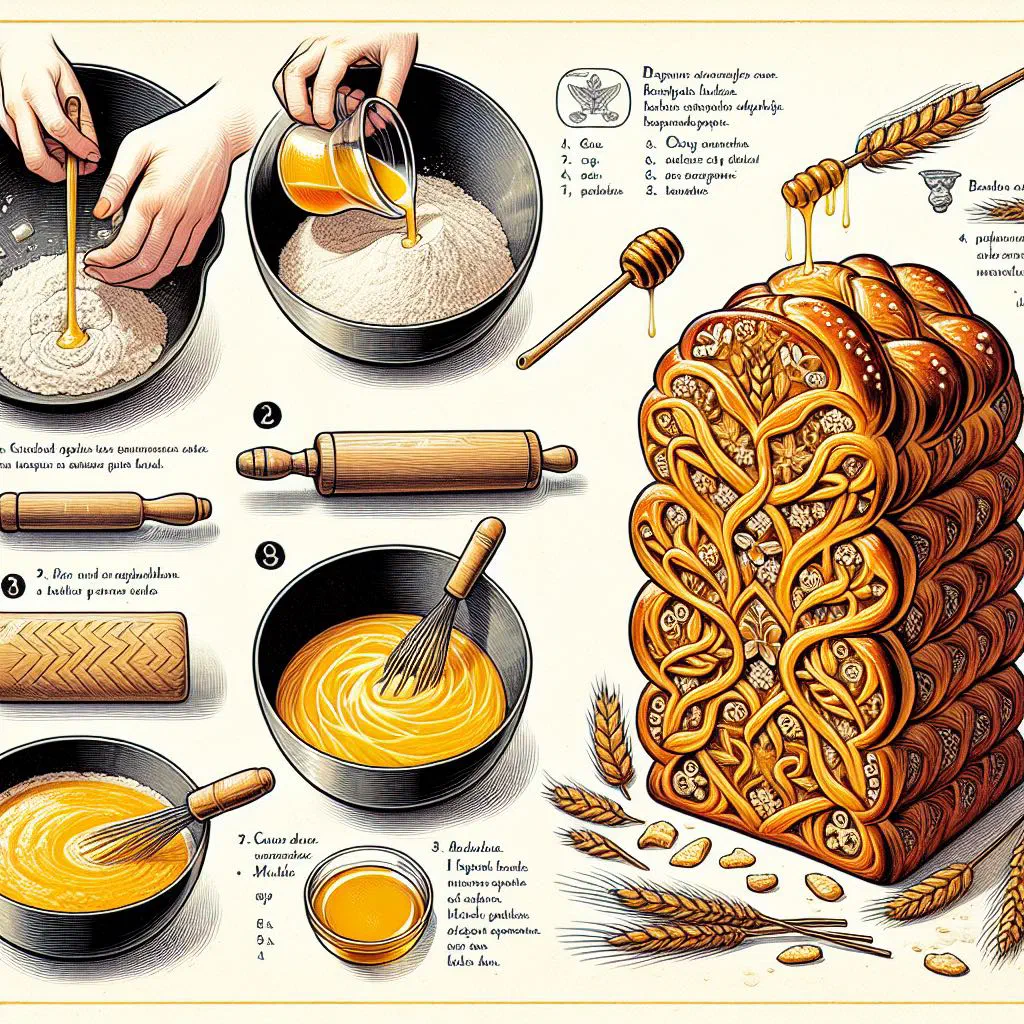
- Put the flour, honey, spices and salt into a bowl and mix thoroughly.
- Add water a little at a time until you have a smooth, pliable dough.
- Roll the dough out on a floured surface and cut it into the shapes you want.
- Lay the biscuits on a baking tray lined with baking parchment and bake at 160°C for around 15–20 minutes.
- Leave to cool completely, then enjoy.
Gluten-free / lactose-free version
To make Couque de Dinant gluten-free, simply use a gluten-free flour blend. Check that the flour is suitable for biscuit-making so the dough still holds together. For a lactose-free version, use lactose-free products throughout, an easy swap, since the traditional recipe contains no dairy in the first place. These adjustments mean everyone can enjoy the biscuits.
Tips for vegans and vegetarians
For vegans, the honey can be replaced with agave syrup or maple syrup. Both sweeteners deliver the flavour you need and a very similar consistency once baked. There are also alternative spices that fit beautifully into the recipe if you fancy a change.
More tips and tricks
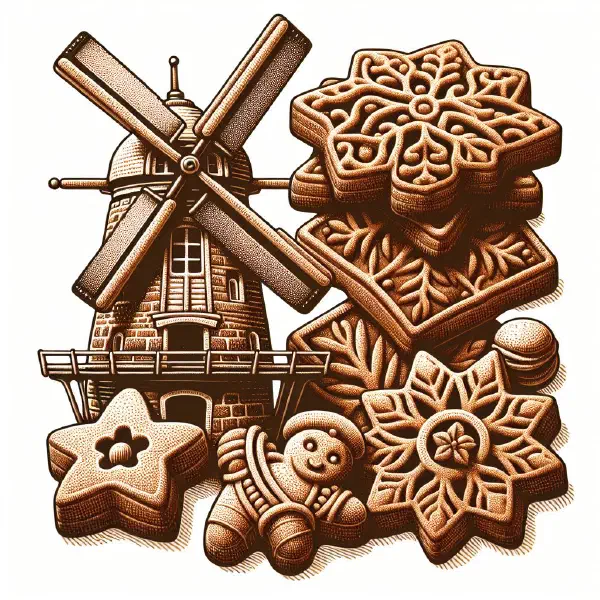
A few tips and tricks make working with Couque de Dinant much easier. Use a cool work surface when handling the dough to stop it sticking. Knead and roll briskly to achieve the ideal consistency before the honey warms and softens. You can also stamp the biscuits with a decorative cutter or a carved mould to give them their characteristic look, the same attention to detail that goes into Speculaas.
Adapting the recipe to your taste
Couque de Dinant lends itself to all sorts of variations. Fruity notes such as orange or lemon zest can also give the dough a lovely lift. Play around with different additions until you find your favourite version.
Ingredient substitutions
If certain ingredients are hard to track down, there are usually good alternatives. Instead of traditional honey you can use whichever sweetener suits you best, much as bakers do when making Sirop de Liège. Swapping the spices around is another easy way to discover new flavours. Experiment with different combinations until they match your personal taste.
Drink pairing ideas
To round off Couque de Dinant, the right drinks make all the difference. An aromatic tea or a strong coffee pairs wonderfully with the sweet, spiced biscuits. For something a little special, serve a hot chocolate or a fruity punch alongside. These combinations turn a simple snack into a proper occasion.
Serving and presentation ideas
Presentation contributes a great deal to the overall effect of Couque de Dinant. Pack the biscuits into a handsome gift box or arrange them on a decorative plate. Use natural materials such as jute or linen for an appealing look. A creative arrangement will also catch your guests’ eye, particularly if you serve them beside other sweets such as Cuberdon.
A bit of history
The story of Couque de Dinant reaches back to the 15th century, when it was first produced in Belgium. Originally, bakers made these biscuits as a way of preserving food for longer periods. Today they stand as a symbol of Belgian tradition and craftsmanship, and a fine ambassador for Belgian cuisine. The distinctive method of preparation makes them unique and explains why they remain so popular to this day.
More recipe ideas
Summary: Couque de Dinant
Couque de Dinant is an outstanding example of Belgian baking tradition, distinguished by its pronounced flavour and famously crisp texture. With simple ingredients and easy-to-follow steps, these fragrant biscuits are all but guaranteed to succeed. Whether for your own enjoyment or as a special gift, Couque de Dinant brings pleasure and heritage to any kitchen. Give the recipe a go and let this piece of Belgian culture win you over.