National Dish Belgium: Kip Kap (Recipe)
In this article
Kip Kap is the Flemish butcher’s brawn: pork cheek and, traditionally, pig’s ear simmered with bay and cloves until falling apart, then packed into a terrine and set in its own jelly with vinegar and parsley. Sliced thin and eaten cold with mustard and rye bread, it is the kind of thing every Antwerp butcher used to make and a few still do.
About Kip Kap
Kip Kap is the traditional Belgian pressed brawn made from pig’s head. This cold dish of tender meat, well-seasoned jelly and a fine note of vinegar counts among the genuine classics of Flemish butchery. Served in thin slices with mustard, fried onions and crisp bread, kip kap brings a hearty, rustic note to the table, and it is a masterclass in using every part of the animal.
Ingredients (serves 1–2)
- 400 g pork cheek (or pork shoulder)
- 1 small pig’s ear, cleaned, optional but traditional for the texture
- 1 onion, quartered
- 2 bay leaves, 4 peppercorns, 2 cloves
- 100 ml mild white wine vinegar
- Salt and freshly ground pepper
- 1 bunch parsley, finely chopped
Shopping for the ingredients
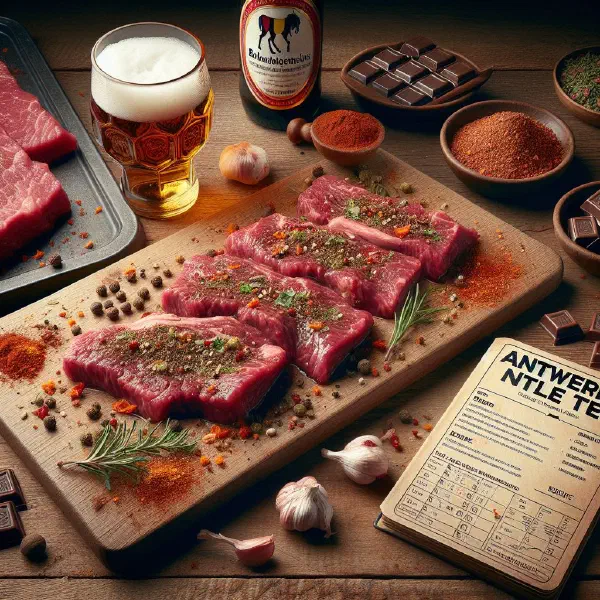
Pork cheek is the right cut and any good butcher will have it, though it may need ordering. A pig’s ear supplies the collagen that makes the jelly set firm without added gelatine, ask for it cleaned. Use a mild vinegar; a harsh one dominates everything.
Preparing the dish
Rinse the meat and put it in a pot with cold water, the onion and the spices. This is a long, unhurried simmer, so start it several hours before you need it, and count on overnight setting in the fridge afterwards.
Step-by-step instructions
- Put the pork cheek and ear in a pot with the onion, bay, peppercorns and cloves.
- Cover with cold water and bring slowly to a simmer.
- Skim the surface and cook gently for 2½–3 hours, until the meat falls apart.
- Lift out the meat, discard the bones and any gristle, and chop it coarsely.
- Strain the cooking liquid and reduce it to about 300 ml.
- Stir in the vinegar and season generously — cold food needs more salt than hot.
- Mix the meat with the parsley, pack into a terrine and pour over the liquid.
- Cover, press with a weight and chill overnight until firmly set.
Gluten-free / lactose-free version
Kip Kap contains neither gluten nor lactose. It is meat, stock, vinegar and herbs. Only the bread you serve alongside needs attention if you are avoiding gluten.
Tips for vegans and vegetarians
Brawn cannot be made without meat. A vegetarian table can echo the idea with a terrine of slow-cooked root vegetables and herbs set in agar with the same vinegar-and-mustard seasoning, different in substance, similar in role.
More tips and tricks
Season the liquid more aggressively than seems right; chilling mutes flavour considerably and an underseasoned brawn is bland. Press it under a weight, which is what gives the tight, sliceable texture. And use a serrated knife on the cold terrine for clean slices.
Adapting the recipe to your taste
Gherkins and capers chopped into the meat are common and add welcome sharpness. Shallots instead of onion give a finer flavour. Some butchers add a pinch of nutmeg or a splash of Madeira to the reduced stock.
Ingredient substitutions
Pork shoulder plus a piece of rind gives a similar result without the ear. Cider vinegar substitutes for white wine vinegar. A sheet of gelatine ensures a firm set if you are working with lean cuts only.
Drink pairing ideas
A Belgian blonde ale or a gueuze cuts the richness perfectly. A dry Riesling works at the table. Sparkling water with lemon is the plain and effective non-alcoholic choice.
Serving and presentation ideas
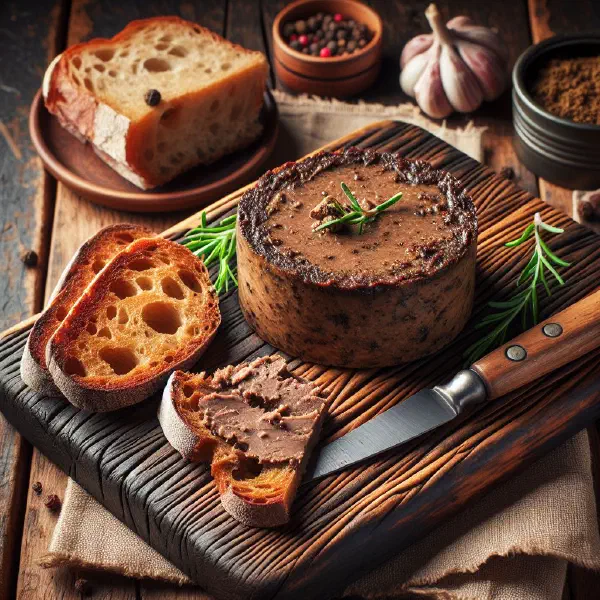
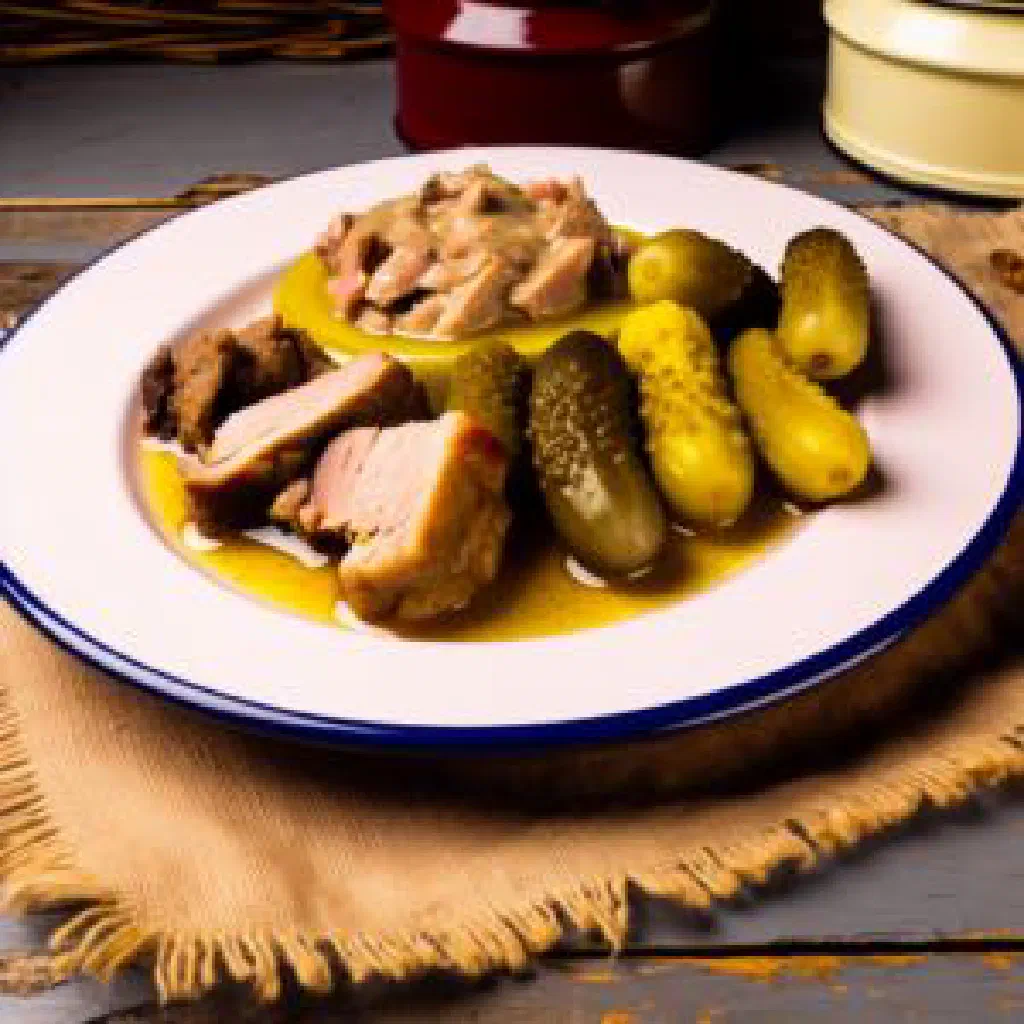
Serve kip kap in thin slices on a board with strong mustard, crisp fried onions, pickles and dark bread. It is café food in Flanders, ordered with a beer in the afternoon, and it should look unfussy, the marbled cross-section is the whole presentation.
A bit of history
Brawn exists wherever pigs are slaughtered at home, and the Flemish version takes its name from the sound of chopping. It belongs to the tradition of the kop, the head, which was too valuable to waste and too awkward to roast. Antwerp and the Kempen region are particularly associated with it. It offers a genuine window onto Belgian cuisine.
More recipe ideas
Summary: Kip Kap
Kip Kap is pork cheek simmered until tender, chopped with parsley and set in its own vinegared jelly. Season it boldly, press it overnight, and slice it thin with mustard and rye bread.