National Dish Belgium: Lacquements (Recipe)
In this article
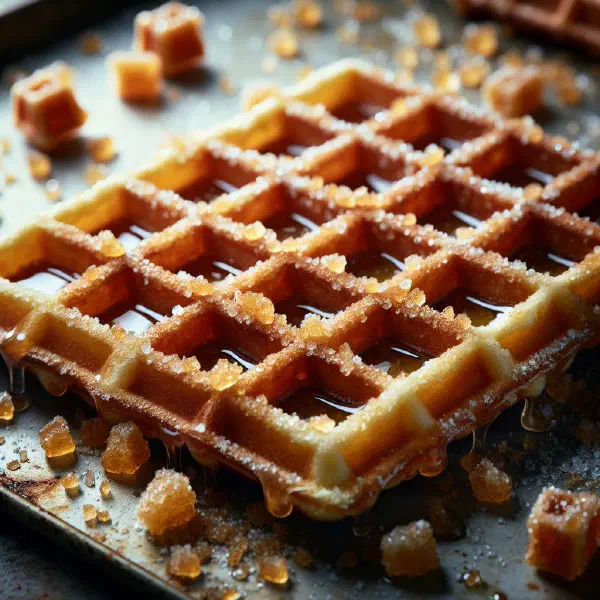
Lacquements are the waffles of the Liège fairgrounds: paper-thin, crisp discs baked in a hot iron, spread while still warm with dark sirop de Liège and immediately rolled into a cylinder. They must be eaten within a minute or two, which is exactly why they belong to a fair rather than a kitchen — but they are entirely makeable at home.
About Lacquements
Lacquements, also known as gaufres de foire, are wafer-thin crisp waffles filled with sweet syrup and rolled. This traditional sweet from Liège is inseparable from the Walloon funfairs, above all the great October fair in Liège itself, where vendors bake them to order in tall stacks of irons. Warm from the iron and rolled on the spot, they capture the festive fairground culture of French-speaking Belgium.
Ingredients (serves 1–2)
- 100 g plain flour
- 2 eggs
- 100 ml milk
- 30 g melted butter
- A pinch of salt
- 4 tablespoons sirop de Liège (or apple-pear syrup)
Shopping for the ingredients
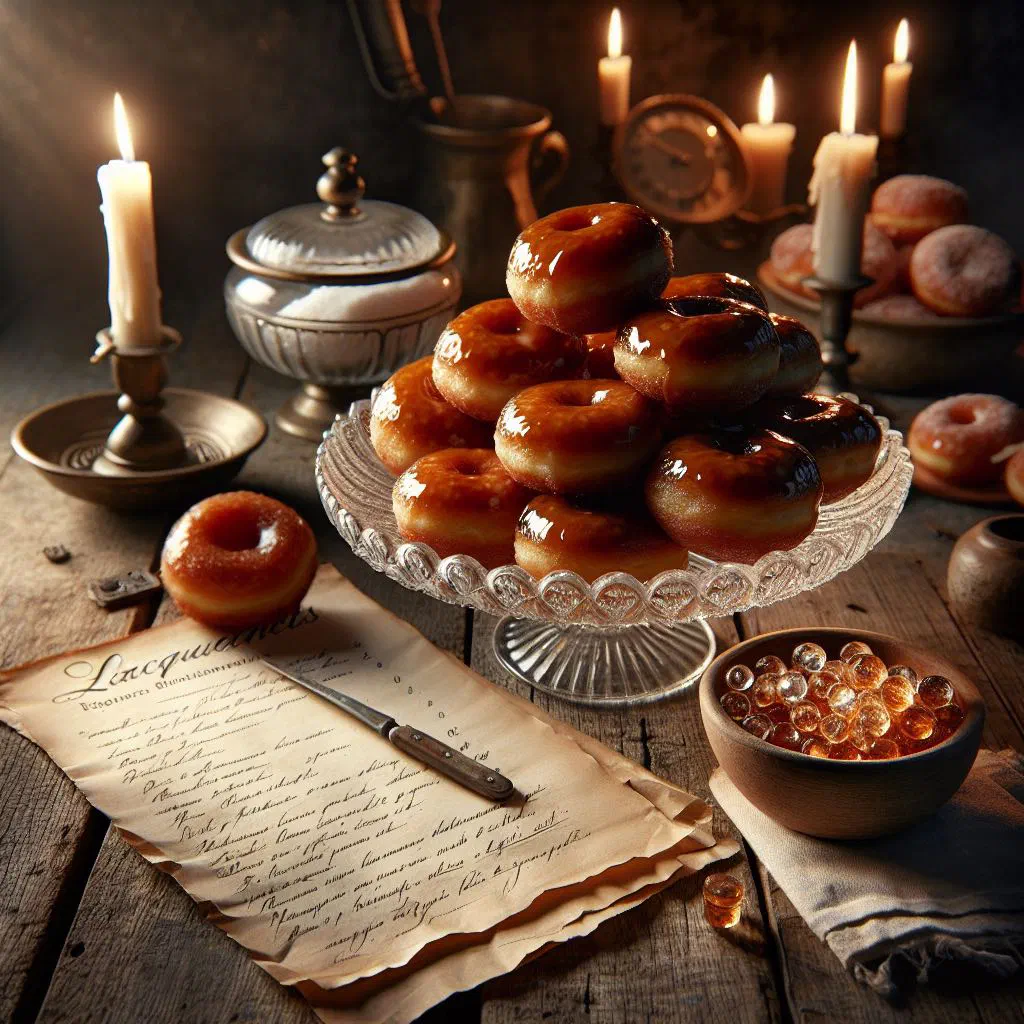
Sirop de Liège — a thick, dark syrup boiled down from apples, pears and dates — is the essential ingredient and is sold in Belgian and Dutch shops and online. Ordinary apple butter or a dark fruit syrup is the closest substitute. A thin waffle iron (a krumkake or pizzelle iron works) is what makes the wafer thin enough to roll.
Preparing the dish
Whisk the batter until completely smooth and let it rest for twenty minutes so the flour hydrates and the waffles bake evenly. Warm the syrup slightly so it spreads easily on the hot waffle. Heat the iron thoroughly, and have a clean tea towel ready, the waffles must be rolled while hot and pliable.
Step-by-step instructions
- Whisk the flour, eggs, milk, melted butter and salt into a smooth thin batter; rest 20 minutes.
- Heat a thin waffle or pizzelle iron and grease it lightly.
- Pour in a small ladle of batter and bake for 1–2 minutes until crisp and golden.
- Lift the waffle out onto a board.
- Spread it immediately with warm syrup while still hot and flexible.
- Roll it up tightly into a cylinder before it cools.
- Repeat with the remaining batter, and serve warm.
Gluten-free / lactose-free version
A gluten-free flour blend works well here, since the waffles are thin and crispness matters more than structure. For a lactose-free version, plant milk and a vegan margarine substitute directly, oat milk in particular suits the caramel notes of the syrup.
Tips for vegans and vegetarians
The waffles are vegetarian as written. A vegan version works with plant milk, vegan margarine and two tablespoons of cornflour plus a little extra liquid in place of the eggs. Expect a slightly more brittle waffle, so roll it the moment it leaves the iron.
More tips and tricks
Speed is everything: a lacquement that has cooled will shatter rather than roll. Work with one waffle at a time and keep the syrup warm and spreadable. If your iron produces thicker waffles, thin the batter with a splash more milk, the wafer should be almost translucent.
Adapting the recipe to your taste
A pinch of cinnamon in the batter suits the syrup well. Some vendors use a mixture of syrup and butter for a richer filling. In some parts of Wallonia the waffles are served flat and stacked rather than rolled, with the syrup between the layers.
Ingredient substitutions
Apple butter, date syrup or a thick pear syrup all stand in for sirop de Liège, though none has quite its dark, faintly bitter depth. Any thin waffle iron works, and at a pinch a crêpe pan produces a related, if softer, result.
Drink pairing ideas
Coffee is the classic accompaniment, and at the fair it comes in a paper cup. A Belgian brown ale is a surprisingly good match for the dark syrup. Hot chocolate is the choice for children and works beautifully against the crisp waffle.
Serving and presentation ideas
Serve lacquements warm, rolled, standing upright in a paper cone or laid on a plate. They are meant to be eaten immediately with your hands. No cream, no sugar, no additions: syrup and waffle is the whole idea, and it needs nothing else.
A bit of history
Liège has produced sirop de Liège since at least the 17th century, boiling down orchard fruit into a dense dark syrup that keeps through winter. Pairing it with a thin fairground waffle produced the lacquement, which became inseparable from the October Fair, a Liège institution running since the 1850s. It offers a genuine window onto Belgian cuisine and its regional traditions.
More recipe ideas
Summary: Lacquements
Lacquements are wafer-thin Liège waffles spread with dark fruit syrup and rolled while hot. Six ingredients, two minutes per waffle and one non-negotiable rule: roll them immediately, and eat them warm.