National Dish Belgium: Luikse Balletjes (Recipe)
In this article
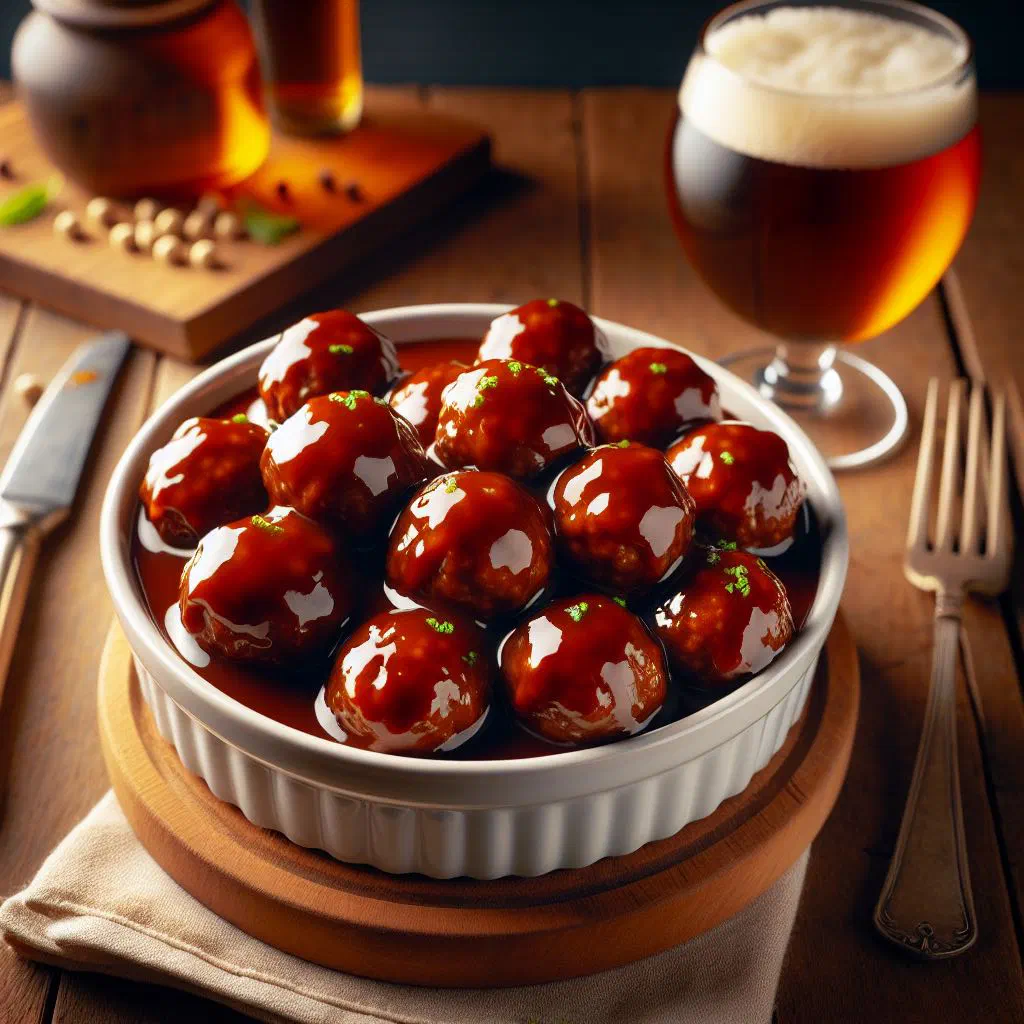
Meet Luikse Balletjes, the hearty Belgian meatballs that Wallonia has been serving up for generations. Juicy, well-seasoned and bathed in a glossy sweet-and-sour sauce, they turn a handful of everyday ingredients into something genuinely memorable. This recipe brings a proper taste of Liège to your table, along with a few tricks for adapting it to any diet.
About Luikse Balletjes
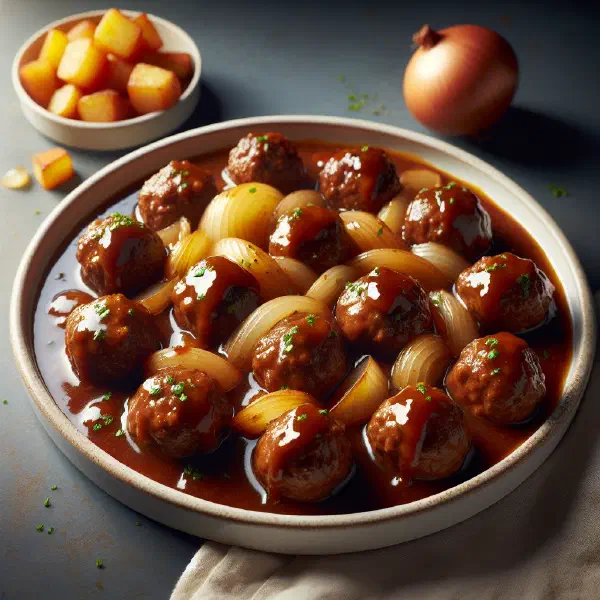
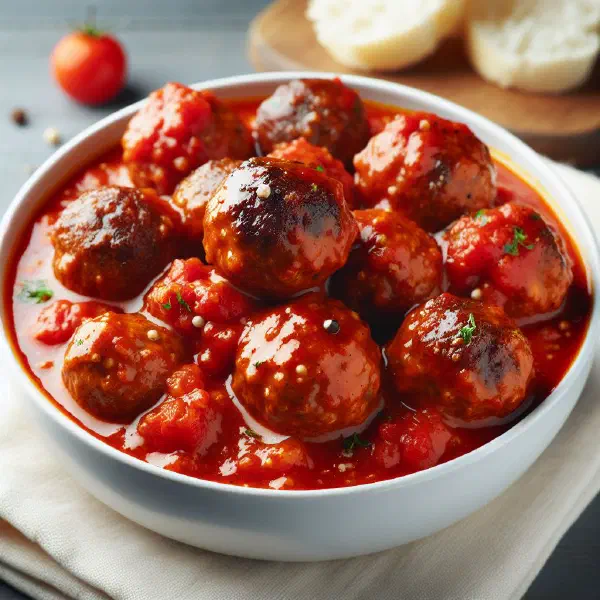
Luikse Balletjes are classic Belgian meatballs with their roots firmly in the region of Wallonia. These savoury morsels are usually made from well-seasoned minced meat and then simmered in a distinctive sweet-and-sour sauce. It is the interplay between the warm spices and that tangy sauce that makes them so hard to stop eating. They work beautifully as a centrepiece for celebrations and equally well as a simple weeknight dinner at home.
Ingredients (serves 1–2)
- 250 g minced meat (beef or a beef-and-pork mix)
- 1 small onion, finely diced
- 1–2 garlic cloves, crushed
- 1 egg
- 2–3 tablespoons breadcrumbs
- 1 teaspoon mustard
- Salt and pepper, to taste
- For the sauce: 200 ml beef stock, 2 tablespoons sugar, 3 tablespoons vinegar, 1 teaspoon soy sauce
Shopping for the ingredients
When shopping for Luikse Balletjes, the quality of the minced meat matters more than anything else. Fresh mince from a butcher you trust gives the balls both flavour and juiciness. The onions and garlic should be firm and aromatic so they lend the dish real depth. The sauce deserves the same care: good stock and a decent vinegar make all the difference to the finished result.
Preparing the dish
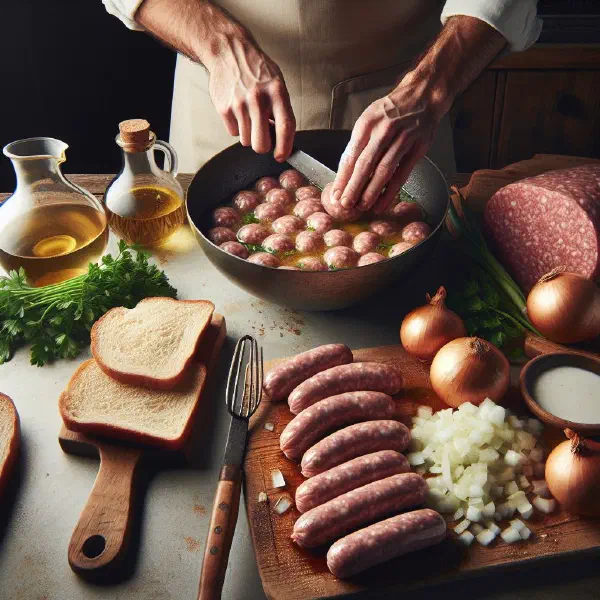
Getting Luikse Balletjes ready takes only a few steps, but each one counts towards the flavour. Start by tipping the minced meat into a large bowl and adding the finely diced onion along with the crushed garlic. Next in go the egg, the breadcrumbs and the seasonings. Mix everything thoroughly until you have a smooth, even mixture that holds together and shapes easily between your palms.
Step-by-step instructions
- Shape the meat mixture into small balls, roughly the size of a walnut.
- Heat a little oil in a frying pan and brown the meatballs over a medium heat until golden all over.
- In a separate bowl, whisk together all the ingredients for the sauce.
- Pour the sauce over the browned meatballs and let everything simmer gently for about 20 minutes.
- Serve the Luikse Balletjes warm, ideally with fresh baguette or potatoes — or, for the full Belgian treatment, with Frites Met Stoofvlees style chips.
Gluten-free / lactose-free version
For a gluten-free version, swap the ordinary breadcrumbs for gluten-free crumbs or rolled oats. Do check that the rest of the ingredients, particularly the stock and the soy sauce, are certified gluten-free as well. Lactose is not an issue here: the recipe contains no dairy at all, so it is naturally lactose-free. With these small adjustments, everyone can tuck into Luikse Balletjes without a second thought.
Tips for vegans and vegetarians
To make Luikse Balletjes suitable for vegans and vegetarians, replace the mince with plant-based mince or cooked lentils. A vegan egg replacer will keep the mixture bound together nicely. It is worth being a little more generous with the herbs and spices to make up for the meat, and the sauce needs no changes at all, since most of its components are already plant-based. The result is every bit as satisfying and nourishing.
More tips and tricks
One of the most useful tricks with Luikse Balletjes is to let the shaped balls rest in the fridge for half an hour before frying. This helps them hold their shape and gives the flavours time to mingle. You can also play with the seasoning to suit your own palate, dried herbs, a pinch of chilli or a little smoked salt all lend the dish an extra dimension, much as they do in a rich Carbonnade Flamande.
Adapting the recipe to your taste
The lovely thing about Luikse Balletjes is how readily they bend to individual preferences. Depending on your taste, add more or fewer spices, or switch the type of meat entirely. The sauce is equally forgiving: a spoonful of honey or an extra dab of mustard will shift the balance towards sweeter or sharper. That flexibility means everyone at the table can find a version they love.
Ingredient substitutions
If you do not have everything to hand, there are plenty of sensible alternatives. Minced beef can just as easily become minced chicken or a plant-based mince. Without vinegar, a squeeze of lemon juice will produce a similar sweet-and-sour effect. The sauce can also be built on a different base, a vegetable stock, for instance, gives a lighter, fresher result.
Drink pairing ideas
Several drinks flatter Luikse Balletjes. A well-chilled beer, especially a Belgian Witbier, complements the savoury notes perfectly. Alternatively, a fruity red wine picks up the sweet-and-sour edge of the sauce rather elegantly. For alcohol-free options, sparkling water or a freshly made lemonade both keep the palate lively between mouthfuls.
Serving and presentation ideas
Thoughtful presentation makes Luikse Balletjes even more of a pleasure. Serve the meatballs in an attractive bowl that suits the mood of your meal, and scatter over fresh herbs such as parsley or thyme. A few slices of baguette or some crusty rolls on the side round out the picture nicely. Colourful side dishes, a green salad, glazed carrots, or a helping of Stoemp, make the whole spread that much more inviting.
A bit of history
Luikse Balletjes have a long and well-documented history in Belgium. These meatballs wear their Walloon origins with pride and appear as readily in restaurants as in family kitchens. They began life as a simple, thrifty dish, but the combination of good ingredients and that unmistakable sauce carried their reputation far beyond Liège over the years. Today they are a fixture of Belgian cuisine, equally beloved by locals and visitors.
More recipe ideas
Summary: Luikse Balletjes
Luikse Balletjes are far more than a simple supper; they are a culinary experience that carries the taste of Belgian tradition. With their savoury heart and that glossy sweet-and-sour sauce, they put a small piece of Belgium on your table. Whether they anchor a festive buffet or round off an ordinary evening, this dish brings warmth and real pleasure to any meal. Give the recipe a go and let the flavours of Wallonia win you over.