National Dish Belgium: Mattentaart (Recipe)
In this article
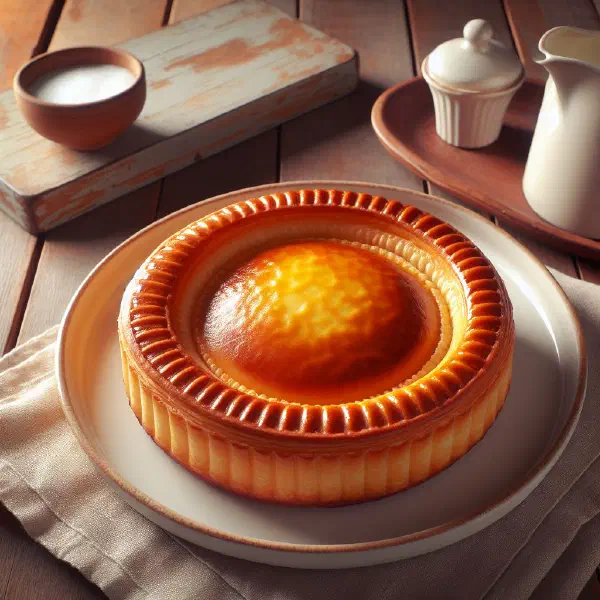
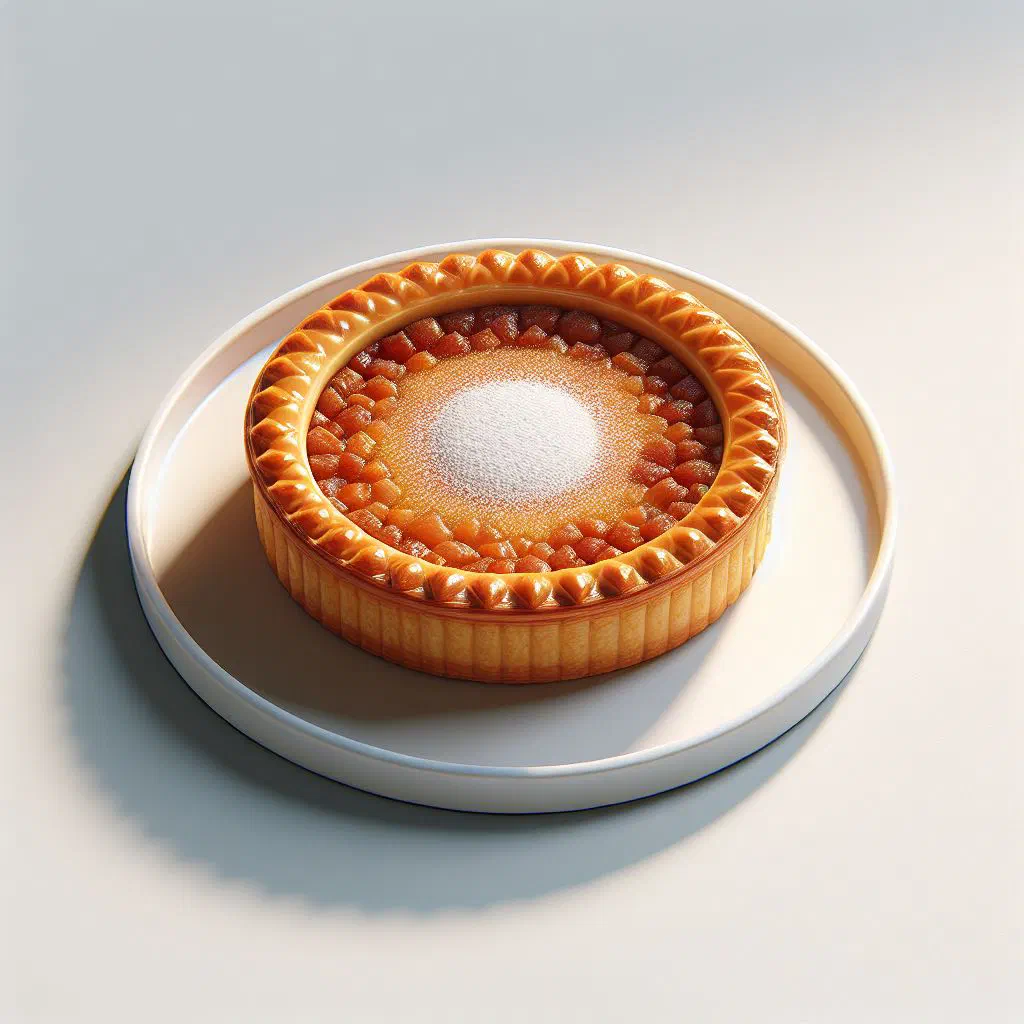
Say hello to Mattentaart, a small but mighty piece of Belgian baking tradition. Beneath a dusting of icing sugar sits a crisp shortcrust base filled with a soft, gently spiced curd cheese custard that bakes to a golden, almost soufflé-like finish. It is the sort of tart that turns an ordinary afternoon into an occasion, sweet without being cloying, rich without being heavy, and every bit as at home on a festive table as it is beside a mid-morning coffee.
About Mattentaart
Mattentaart has its roots in the picturesque province of Namur and is a firm fixture of Belgian baking. Its creamy filling of fresh curd cheese, eggs and fragrant spices gives it an unmistakable flavour that sets it apart from other continental tarts. What really makes this tart special is the delicate shortcrust pastry, which balances the soft filling perfectly and provides just enough bite. It is pure pleasure for anyone who loves the sweeter side of life, and a lovely introduction to the wider world of Belgian cuisine.
Ingredients (serves 1–2)
- 200 g shortcrust pastry
- 250 g curd cheese or cream cheese
- 2 eggs
- 50 g sugar
- 1 teaspoon vanilla extract
- A pinch of nutmeg
Shopping for the ingredients
The ingredients for mattentaart should be as fresh and as good quality as possible, since there is nowhere for a mediocre component to hide in such a simple recipe. The shortcrust pastry can either be made from scratch or bought ready-rolled, depending on how much time you have. When buying the curd cheese or cream cheese, look closely at the freshness and the fat content, as both shape the final texture of the tart. With the spice, it is well worth grating nutmeg fresh rather than reaching for the ready-ground jar. It lends the filling a warmth that pre-ground nutmeg simply cannot match.
Preparing the dish
Begin by preparing the shortcrust pastry, either making your own or using a ready-made sheet. After that, weigh out the remaining ingredients carefully and set them out within easy reach. Separating the eggs is a decisive step, particularly if you would like to whisk the whites to soft peaks and fold them in, which gives the tart a lighter, airier consistency. Make sure, too, that all the ingredients are at room temperature before you start, as this helps everything combine evenly and bake through consistently.
Step-by-step instructions
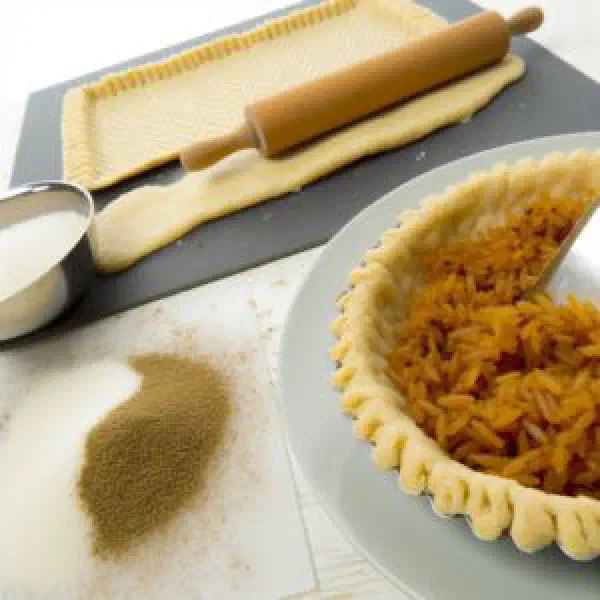
- Press the shortcrust pastry into a greased tart tin and form a rim around the edge.
- Prick the base several times with a fork to stop it blistering as it bakes.
- Blind-bake the case at 180 °C until lightly golden, around 10 minutes.
- Meanwhile, mix the filling of curd cheese, eggs, sugar, vanilla and nutmeg until smooth.
- Pour the filling evenly over the pre-baked base and bake for a further 25–30 minutes.
- Take the tart from the oven and let it cool completely before serving.
Gluten-free / lactose-free version
To make mattentaart gluten-free, simply use a gluten-free flour blend in place of ordinary flour. A gluten-free shortcrust works very well here and can be prepared without any real difficulty, though it benefits from a short rest in the fridge before rolling. For a lactose-free version, lactose-free curd cheese or cream cheese makes a straightforward substitute with no loss of creaminess. These small adjustments mean that people with particular dietary needs can enjoy this Belgian treat alongside everyone else.
Tips for vegans and vegetarians
The recipe is naturally vegetarian, and vegans can adapt mattentaart by using plant-based alternatives to the eggs and dairy. A plant-based curd cheese, or a blend of silken tofu and plant milk, delivers a strikingly similar result. To keep the pastry holding together nicely, a spoonful of apple purée or a vegan egg replacer works well in the dough. With these adaptations the delicious character of the tart survives intact, and it becomes accessible to just about everyone at the table.
More tips and tricks
A few extra tips will help you refine your mattentaart still further. Experiment with different spices, or scatter in a handful of chocolate pieces, to bring the tart closer to your own taste. It is also important to let it cool thoroughly before slicing, so the filling has time to set to the right consistency rather than spilling out. A light dusting of icing sugar just before serving makes for a pretty finish, the same simple trick that flatters a classic Appelgebak.
Adapting the recipe to your taste
Adjust mattentaart entirely to suit your own preferences. Fold in fruit such as apples or berries, for instance, to give the filling a brighter, fruitier note. You can equally reduce the sugar to your liking if you prefer a less sweet tart, which allows the tang of the curd cheese to come through more clearly. Adaptations like these make this traditional recipe versatile enough to suit any occasion, from a quiet Sunday to a full celebration.
Ingredient substitutions
Choosing the right ingredients can make all the difference to a mattentaart. For a slightly different character, try ricotta in place of the curd cheese. It is a little milder and produces a smoother filling. If you would rather avoid refined sugar, honey or stevia both work as alternatives, though each brings its own flavour. Anyone wishing to leave out the eggs can use chia seeds or ground linseed as a binder, and the taste barely suffers for it.
Drink pairing ideas
Any number of drinks go beautifully with mattentaart. A light cappuccino or a cup of green tea complements the sweet tart wonderfully without competing with it. A fruity juice, such as apple or a berry blend, offers a refreshing alternative for a lighter moment. And for special occasions, serving the tart with a glass of sparkling wine or champagne rounds off the experience perfectly.
Serving and presentation ideas
Presentation plays an important part in how mattentaart is received. Serve it on an attractive cake stand and garnish with fresh fruit or a spoonful of softly whipped cream. A gentle dusting of icing sugar gives the tart an elegant look with almost no effort. Creative decorations such as edible flowers can lift the whole appearance further and stay in your guests’ memory long after the plates are cleared, a plate of Speculaas alongside makes an appealing spread.
A bit of history
Mattentaart has an interesting history that stretches back to the Middle Ages. It was originally made by master bakers in the area around Namur, using simple ingredients that were readily to hand in the surrounding countryside. Over the centuries the recipe was refined and passed along, gradually spreading beyond its home region. In time it became a favourite at festive occasions and celebrations right across Belgium, and it remains a proud part of the country’s baking heritage today.
More recipe ideas
Summary: Mattentaart
Mattentaart is a delicious example of Belgian baking craft and a must for anyone who loves a good dessert. With its distinctive combination of tender shortcrust and creamy filling, it quickly becomes a classic in your own kitchen. Mattentaart will pleasure both you and your guests. Let yourself be charmed by this sweet Belgian treasure, and enjoy the sheer range of possibilities this recipe has to offer.