National Dish Belgium: Pain d'Amandes (Recipe)
In this article
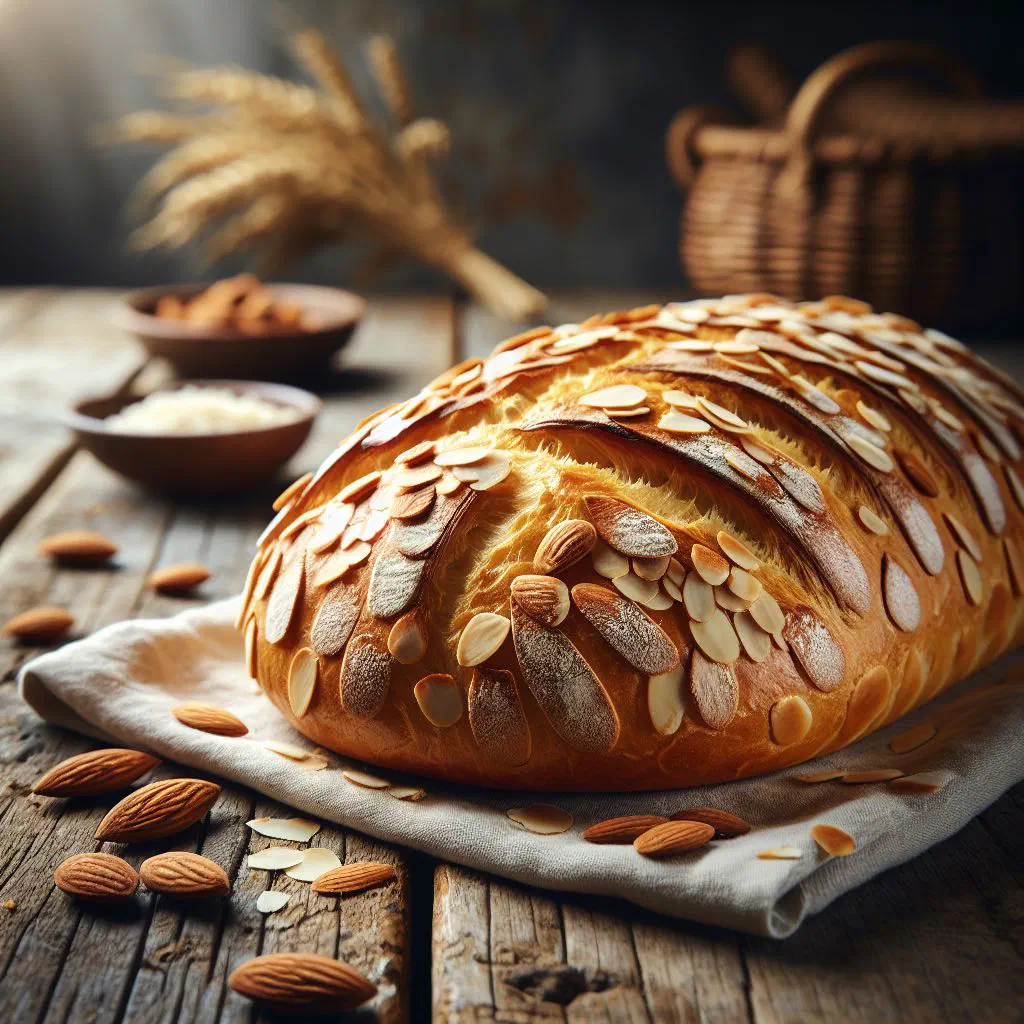
Meet Pain d’Amandes, a slender almond biscuit that has been a fixture of Belgian coffee tables for generations. Rolled thin, baked until crisp and scented with almonds and warm vanilla, it snaps cleanly and dissolves into a gently nutty sweetness. There is nothing fussy about it, a handful of storecupboard ingredients, one bowl and twenty minutes in the oven. Brew a strong coffee, and you have the most quietly satisfying afternoon treat Belgium has to offer.
About Pain d’Amandes
Pain d’Amandes is a traditional Belgian bake that wins people over with the pairing of oats and a pronounced almond flavour. This delicate treat is a pleasure for the palate and the centrepiece of any coffee table. Alongside a cup of coffee or a pot of tea, its rounded, full-bodied taste comes into its own. The almonds lend the biscuit a nutty depth that anyone with a sweet tooth will fall for straight away.
Ingredients (serves 1–2)
- 100 g rolled oats
- 50 g ground almonds
- 50 g honey or sugar
- 1 egg
- 2 tablespoons butter, melted
- 1 teaspoon vanilla extract
- A pinch of salt
Shopping for the ingredients
When shopping for the ingredients for pain d’amandes, it pays to choose good-quality produce so the flavour has every chance to shine. Look out for fresh ground almonds and natural sweeteners rather than anything overly processed. Most supermarkets will already stock everything you need, while a few of the more specialist items are easy to find in health-food shops or online. Give yourself enough time to pick out the right products. It makes a noticeable difference in the finished bake.
Preparing the dish
Preparing pain d’amandes is refreshingly straightforward and takes only a few steps. Make sure you have all your ingredients measured out before you begin, as it keeps the process moving along nicely. Use one bowl for the dry ingredients and a second for the wet ones, then bring them together efficiently.
Step-by-step instructions
- Preheat the oven to 180 °C.
- In a bowl, combine the rolled oats, ground almonds, honey and a pinch of salt.
- In a separate bowl, whisk the egg, the melted butter and the vanilla extract together thoroughly.
- Add the wet ingredients to the oat and almond mixture and stir until evenly combined.
- Spread the dough out evenly on a baking tray lined with baking parchment.
- Bake in the preheated oven for around 15–20 minutes, until golden brown.
- Remove from the oven and leave to cool completely before cutting or breaking into pieces.
Gluten-free / lactose-free version
For anyone who bakes gluten-free or lactose-free, the pain d’amandes recipe adapts with very little effort. In place of ordinary oats, use certified gluten-free rolled oats, which are widely stocked these days. For a lactose-free version, swap the butter for a plant-based fat or a neutral oil.
Tips for vegans and vegetarians
If you would like a vegan version of pain d’amandes, replace the egg with a flax egg or a few spoonfuls of apple purée. Both provide the binding the dough needs without any animal products at all. You can also exchange the honey for agave syrup or another vegan sweetener. The biscuit stays every bit as delicious while becoming entirely plant-based.
More tips and tricks
A handful of small tricks makes baking pain d’amandes easier and far more reliable. Let all your ingredients come to room temperature first, which gives you a smoother, more even dough. Should the mixture look too dry, add a splash of water or plant-based milk to bring it together. And do let the biscuits cool completely after baking. They firm up as they cool and hold their shape much better.
Adapting the recipe to your taste
The pain d’amandes recipe takes happily to personal tweaks. Add a pinch of cinnamon or cardamom, for instance, and the biscuit gains a warm, spiced character reminiscent of Speculaas. For extra crunch, scatter in roughly chopped nuts or a few chocolate chips before baking. Let your imagination run and shape the recipe around what you actually like to eat.
Ingredient substitutions
Plenty of the ingredients in pain d’amandes have good stand-ins. Instead of honey you might reach for maple syrup or coconut blossom sugar, both of which bring their own gentle character. If almonds are not your thing, walnuts or hazelnuts make an excellent alternative and give the biscuit a different but equally appealing flavour, much the same nutty richness you find in a slice of Kruidkoek. Experiment a little to find the combination that suits you best.
Drink pairing ideas
A freshly baked pain d’amandes goes beautifully with any number of drinks. A classic coffee or an aromatic black tea makes a wonderful match. For something sweeter, a cup of hot chocolate picks up and underlines the almond notes in the biscuit. Freshly pressed juices, meanwhile, add a fruity brightness that cuts through the richness rather nicely.
Serving and presentation ideas
Presentation rounds off the whole pain d’amandes experience. Serve the biscuits on a pretty cake stand or an elegant platter, stacked loosely so guests can help themselves. Do not forget a scattering of fresh berries or a sprig of mint for a touch of colour and contrast. A nice napkin or a small decorative flourish adds the finishing touch, and a bowl of Chocolade Mousse alongside turns it into a proper dessert spread.
A bit of history
Pain d’amandes has its origins in Belgian baking tradition, where it has long been served on festive occasions. Almonds in baked goods are common right across Europe and form part of many national traditions, but the Belgian version, thin and crisp, has a character of its own. In Belgium the biscuit turns up not only in bakeries but at celebrations and community events too. It is a genuine treat, and one that reflects the culture and culinary range of Belgian cuisine rather well.
More recipe ideas
Summary: Pain d’Amandes
In short, pain d’amandes is not merely a delicious sweet treat but a small piece of Belgian tradition. With its fragrant flavour and thoroughly simple preparation, it suits just about any occasion. Whether at breakfast, in the afternoon with a cup of coffee or as a light dessert, this biscuit lifts the moment. Give the recipe a try and let the Belgian art of baking win you over.