National Dish Belgium: Puddingbroodjes (Recipe)

In this article
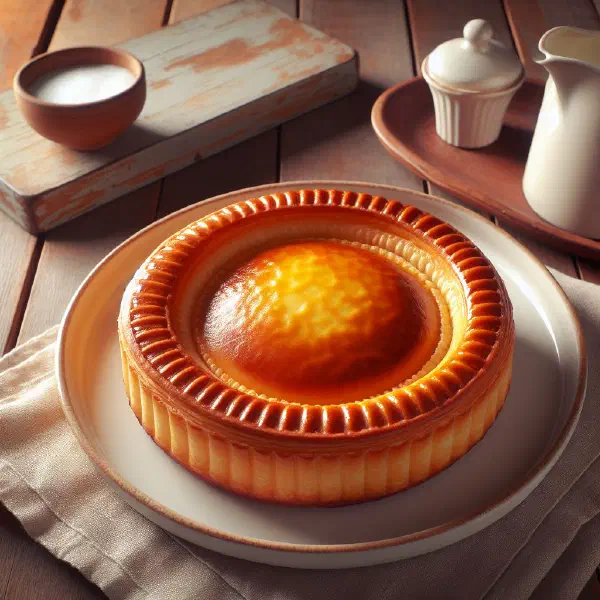
Meet Puddingbroodjes, the buttery Belgian pastry parcels that every neighbourhood bakery seems to sell by the tray. Soft, gently sweet yeast dough wraps a pillow of silky vanilla custard, and a snowfall of icing sugar finishes the job. They are the sort of bake that fills the kitchen with a warm, comforting scent long before the oven timer goes off. Perfect at breakfast, at teatime, or whenever a small sweet craving strikes.
About Puddingbroodjes
Puddingbroodjes are a much-loved Belgian pastry, known above all for their soft, buttery crumb and their generous custard filling. These little treats are popular far beyond Belgium’s borders. The pairing of sweet vanilla custard with freshly baked yeast dough makes them an ideal snack for almost any occasion. Whether at breakfast, as a dessert, or simply to bridge the gap between meals, puddingbroodjes are always a good idea.
Ingredients (serves 1–2)
- 250 g plain flour
- 30 g caster sugar
- 1 sachet dried yeast
- 125 ml milk
- 1 egg
- 50 g butter
- 1 sachet vanilla custard powder
- 500 ml milk (for the custard)
- A pinch of salt
- Icing sugar, for dusting
Shopping for the ingredients
Before you set out to make puddingbroodjes, it pays to gather everything in advance. Basics such as flour, sugar and yeast are easy to find in any supermarket. Do choose fresh milk and good-quality butter, as both make a noticeable difference to the finished flavour. More specific items such as custard powder are usually shelved in the baking aisle, and cornflour-based alternatives sit close by if you prefer to make the filling from scratch.
Preparing the dish
Before you start on the puddingbroodjes, lay out all your ingredients. It makes the whole process smoother and means nothing gets forgotten halfway through. Take the butter out of the fridge early so it is properly soft when you need it. The egg should be at room temperature too, which helps the dough come together with an even consistency.
Step-by-step instructions
- Combine the flour, sugar, dried yeast and a pinch of salt in a large bowl.
- Warm the milk gently and add the soft butter, stirring until it has melted.
- Pour the warm milk-and-butter mixture and the egg into the flour and knead thoroughly.
- Leave the dough to rise in a warm place for about 1 hour, until doubled in size.
- Meanwhile, cook the custard powder with the milk according to the packet instructions and leave it to cool.
- Roll the risen dough out on a floured surface and cut it into evenly sized squares.
- Spoon a little custard into the centre of each square and seal the edges firmly.
- Place the filled parcels on a baking tray and leave to prove for another 20 minutes.
- Bake in a preheated oven at 180°C for roughly 20–25 minutes, until golden brown.
- Dust with icing sugar once baked and enjoy them warm.
Gluten-free / lactose-free version
To make puddingbroodjes gluten-free, use a gluten-free flour and adjust the yeast accordingly; several well-known brands offer dedicated gluten-free baking blends that behave well in enriched doughs. For a lactose-free version, reach for lactose-free milk and butter. Either way, anyone with an intolerance can enjoy these pastries without giving up on flavour.
Tips for vegans and vegetarians
For a vegan take on puddingbroodjes, swap the milk for a plant-based alternative such as almond or oat milk. Use vegan margarine in place of butter. It works just as well in this dough. To replace the egg, try apple purée or a mixture of water and chia seeds, both of which bind in a similar way. That way vegan bakers can enjoy the pastry too, much as they can with the fried dough of Smoutebollen.
More tips and tricks
A tender, well-flavoured dough gives the best puddingbroodjes. Try not to work in too much extra flour during shaping, as it can toughen the crumb. Give the dough plenty of time to rise so the yeast can do its work properly. Baking in a thoroughly preheated oven ensures the broodjes cook evenly and puff up nicely.
Adapting the recipe to your taste
The recipe for puddingbroodjes takes very happily to personal tweaks. Chocolate custard or a fruit-flavoured filling will send them in an entirely different direction. A pinch of cinnamon or a little vanilla can lift the dough itself, in the spirit of Belgium’s spiced biscuits such as Speculaas. Do experiment with other fillings, jam or chopped nuts, for example, to add a signature touch.
Ingredient substitutions
Nothing in a batch of puddingbroodjes has to be followed to the letter. If you have no custard powder to hand, make your own filling from cornflour, sugar and vanilla. Coconut oil can stand in for butter and brings a subtly exotic note. There are plenty of plant-based alternatives that suit this kind of enriched dough, much like the ones that work in a Rijstevlaai.
Drink pairing ideas
Plenty of drinks suit puddingbroodjes. A cup of freshly brewed coffee or a pot of black tea complements the sweet pastry perfectly. For children, or as a lighter option, fruit juice or a glass of milk works nicely. Mint tea is another refreshing choice, especially on warmer days.
Serving and presentation ideas
Presentation can add a great deal to the pleasure of puddingbroodjes. Arrange them on a pretty cake stand or an attractive platter in an inviting spot. A light dusting of icing sugar plus a few fresh berries or mint leaves brings colour to the plate. Try to cut the pieces to a similar size so the whole display looks neat and appealing, as you would with a slice of Appelgebak.
A bit of history
Puddingbroodjes originated in Belgium and form part of the country’s rich baking tradition. Made from simple ingredients to begin with, the recipe has evolved over the years and produced many variations. Today these little pastries are sold in bakeries and in cafés and restaurants across the country, a fixture of Belgian cuisine alongside classics such as Luikse Wafels. Their enduring popularity shows just how timeless and tasty they are.
More recipe ideas
Summary: Puddingbroodjes
In short, puddingbroodjes are a delicious and versatile treat that is genuinely easy to make at home. With a handful of ingredients and a little patience, you can enjoy soft, golden broodjes and try out any number of variations along the way. Gluten-free, vegan or flavoured to taste, the possibilities are close to endless. Give them a go and discover just how simple and rewarding baking can be.