National Dish Belgium: Rijstevlaai (Recipe)
In this article
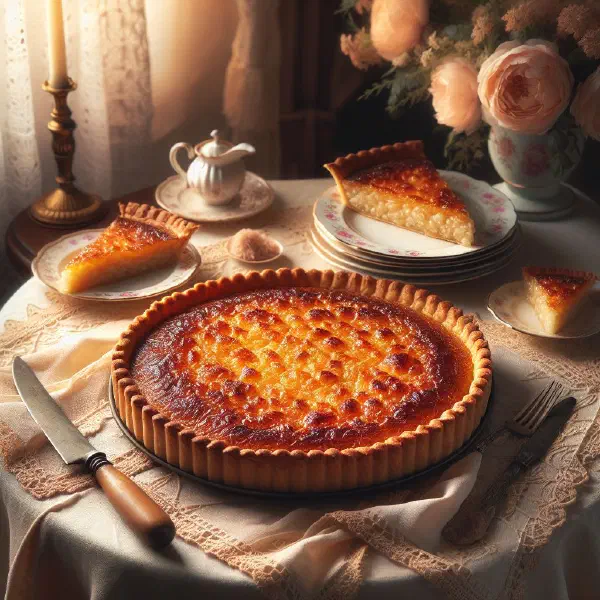
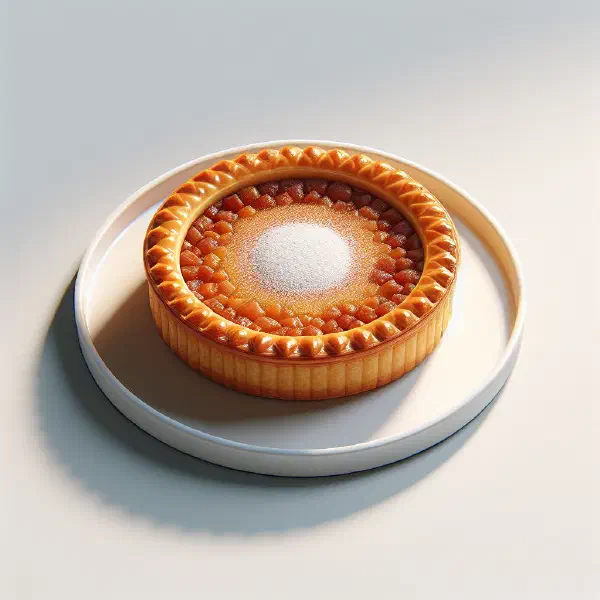
Meet Rijstevlaai, the creamy Belgian rice tart that has been comforting bakers and bake-lovers for centuries. A buttery shortcrust pastry case cradles a gently sweetened rice filling scented with vanilla, baked until the top turns burnished gold. It is homely, generous and quietly luxurious, equally at home on a Sunday coffee table or as the finale to a long family lunch. One slice and you will understand why Belgium guards this recipe so fondly.
About Rijstevlaai
Rijstevlaai is a traditional Belgian rice tart that can be enjoyed as a dessert or, in a more generous slice, as a light meal in its own right. The tart pairs a crisp shortcrust pastry base with a tender rice filling, often perfumed with fresh vanilla. It originated in the sweet-toothed baking regions of Belgium and is known for its creamy texture and unmistakable flavour. The dish brings together the aromas and traditions that make Belgian baking so distinctive, and sits comfortably alongside classics such as Mattentaart.
Ingredients (serves 1–2)
- 100 g shortcrust pastry
- 200 ml milk
- 50 g pudding rice
- 1 egg
- 50 g sugar
- 1 sachet vanilla sugar
- 1 pinch of salt
Shopping for the ingredients
When shopping for rijstevlaai it pays to choose good-quality produce. Visit your local supermarket or a health-food shop for fresh, dependable ingredients. Pay particular attention to the rice and the milk, since these two determine the texture and flavour of the finished tart more than anything else. Fresh free-range eggs are also well worth seeking out if you want the best possible result.
Preparing the dish
Preparing rijstevlaai involves a few straightforward steps that set the tart up for success. Begin by making the shortcrust pastry, which forms the base, and leave it to rest in the fridge until firm. While the pastry chills, simmer the rice in milk until soft and creamy. Stir the mixture regularly so it does not catch on the bottom of the pan.
Step-by-step instructions
- Roll out the shortcrust pastry and press it into a tart tin.
- Preheat the oven to 180°C.
- Combine the cooked rice with the sugar, vanilla sugar, egg and a pinch of salt.
- Spread the rice filling evenly over the pastry base.
- Bake the tart for 30–40 minutes, until golden brown.
- Leave to cool after baking, then serve and enjoy.
Gluten-free / lactose-free version
Rijstevlaai adapts readily to particular dietary needs with a few simple swaps. For a gluten-free version, use gluten-free flour or a ready-made gluten-free pastry case. To make it lactose-free, reach for lactose-free dairy products, which keep the filling every bit as creamy. These adjustments open the tart up to a far wider circle of guests without sacrificing its character.
Tips for vegans and vegetarians
For vegans, the key is replacing the animal products in rijstevlaai. Use plant-based milk together with an egg substitute such as flax eggs or apple purée. These alternatives keep the filling wonderfully creamy and set it just as reliably. Vegans and vegetarians can therefore enjoy the tart without losing its traditional flavour, much as they might a slice of Appelgebak.
More tips and tricks
To take rijstevlaai even further, play with the level of sweetness. If you like a sweeter tart, stir in a little honey or agave syrup. A pinch of cinnamon or nutmeg lends the filling a warm, rounded note.
Adapting the recipe to your taste
Rijstevlaai offers plenty of scope for adaptation. Vary the filling as you please to suit different palates and occasions. Adventurous bakers might fold in chocolate chips or a ribbon of caramel for an unexpected twist. Just remember to adjust the baking time and temperature slightly if you change the filling, so the tart sets properly.
Ingredient substitutions
If you do not have everything to hand, there are usually easy alternatives. Puff pastry can stand in for shortcrust if you would like a flakier, lighter texture. Quinoa makes a wholesome substitute for the rice in the filling. Swaps like these not only simplify the baking but can also open up entirely new flavour combinations.
Drink pairing ideas
A number of drinks suit rijstevlaai beautifully. Traditionally it is served with coffee, tea or a glass of fruit juice. For something more celebratory, a sparkling wine or an aromatic white wine flatters the vanilla and dairy notes nicely. It is well worth trying a few combinations to discover your own favourite.
Serving and presentation ideas
Presentation matters when serving rijstevlaai. A simple dusting of icing sugar and a scattering of fresh berries on the plate creates a lovely effect. You can also garnish with mint leaves for a fresh green accent. An attractive presentation not only whets the appetite but turns the tart into a small occasion, in the same way as a well-plated Dame Blanche.
A bit of history
The tradition of rijstevlaai reaches back to the 17th century and has become an important strand of Belgian culture. Originally a country bake, the tart quickly gained a following and secured its place in Belgian gastronomy. Today it is served as a classic dessert in homes and restaurants alike, a fixture of Belgian cuisine. The method has evolved over the years, yet it remains closely tied to the country’s culinary traditions.
More recipe ideas
Summary: Rijstevlaai
Rijstevlaai is a traditional Belgian dessert and a delicious way into the breadth of Belgian baking. This tart brings the flavour of Belgium straight to your kitchen. Let the creamy rice filling and buttery pastry work their charm, and serve it to family and friends. It is the kind of bake that quietly wins people over.