National Dish Belgium: Stoofvlees/Stoverij (Recipe)
In this article
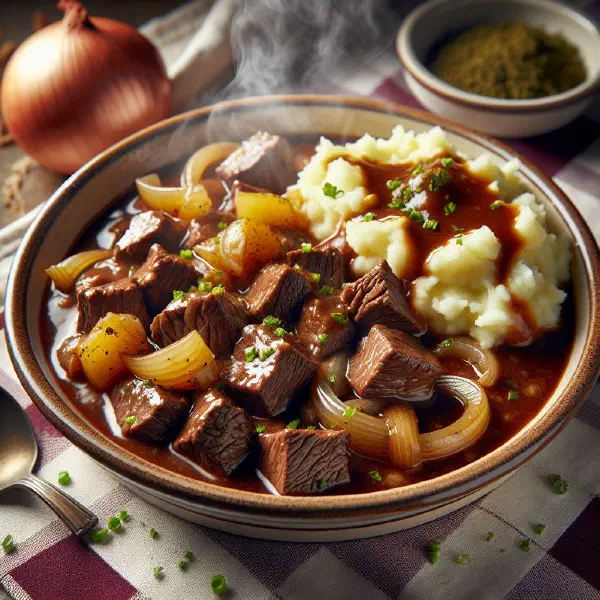
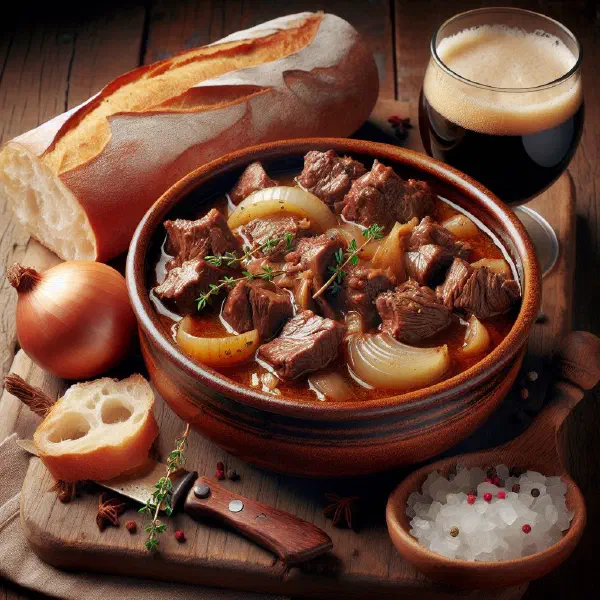
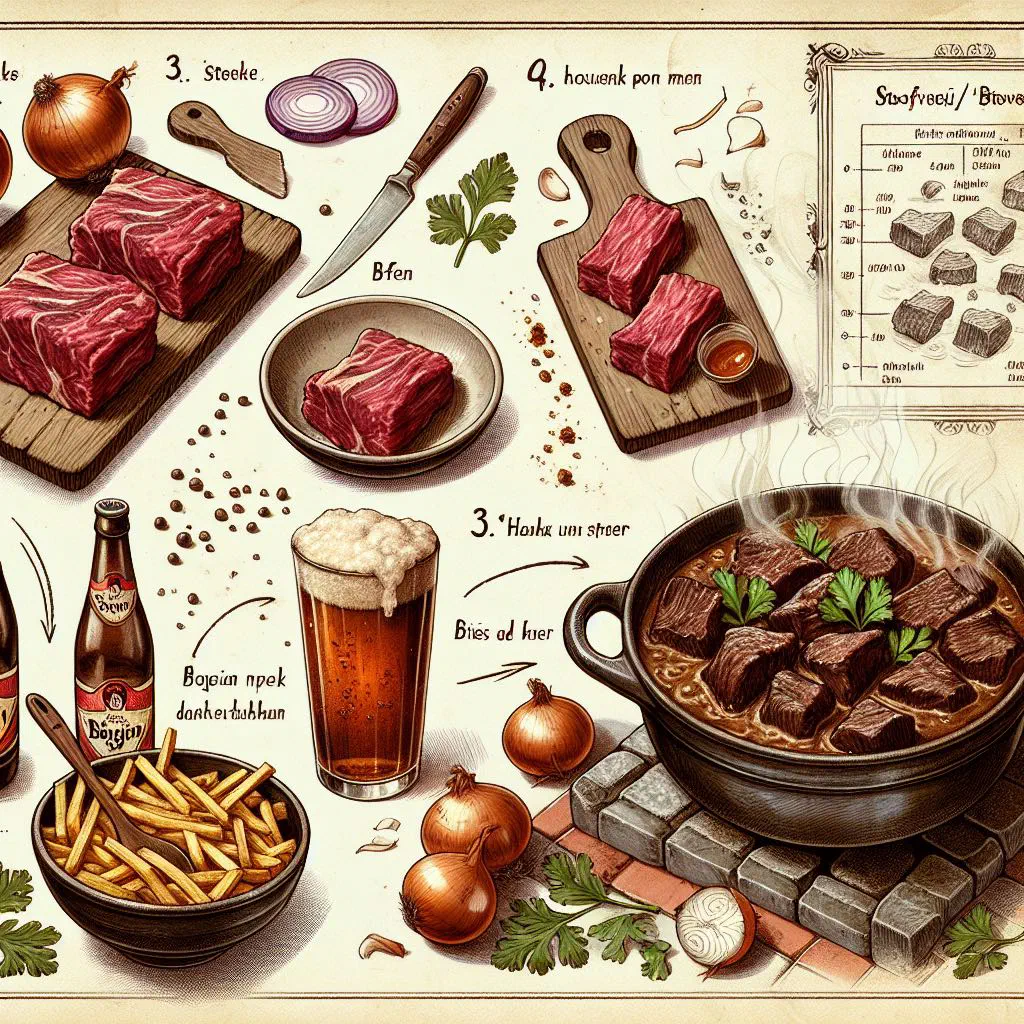
Few dishes say Belgium quite as clearly as Stoofvlees, known as stoverij in Flanders. Chunks of beef are browned hard, then left to braise for hours in a dark, glossy gravy until they collapse at the touch of a fork. It is unhurried, generous cooking of exactly the kind you want on a cold, dark evening, and it tastes best shared around a crowded table with a heap of golden fries and a good glass of something Belgian.
About Stoofvlees
Stoofvlees is a traditional Belgian beef stew that wins people over with its meltingly tender meat and its deep, rounded flavour. The dish is usually built on a red-wine-based sauce with a sturdy backbone of vegetables and spices, and the long, slow cooking coaxes an extraordinary aroma out of very ordinary ingredients. It comes into its own during the cold months, when hearty food is called for to warm and satisfy. This is a stew that makes food lovers sit up and take notice, and one that positively invites good company.
Ingredients (serves 1–2)
- 500 g beef (shoulder or shin, for example)
- 2 onions
- 2 carrots
- 2 cloves of garlic
- 500 ml beef stock
- 200 ml red wine
- 2 tablespoons tomato purée
- 1 tablespoon brown sugar
- 1 teaspoon thyme
- Salt and pepper to taste
- 2 tablespoons oil, for browning
- Optional: bay leaf and cloves
Shopping for the ingredients
If you want to cook stoofvlees properly, choosing the right ingredients matters enormously to the finished flavour. Go for good-quality beef, since the character of the meat shapes the whole stew. Buy your vegetables fresh, particularly the onions and carrots, which bring extra sweetness and depth to the pot. The choice of red wine counts too: a full-bodied bottle will lift the dish considerably.
Preparing the dish
Before you start cooking, get all your ingredients ready. Cut the beef into evenly sized pieces so that everything cooks at the same rate. The onions and carrots should be diced as well, which keeps the cooking time under control. Garlic is best finely chopped, since that releases the most aroma and lends the stew a fine, savoury undertone.
Step-by-step instructions
- Heat the oil in a large pan and brown the beef hard on all sides.
- Add the onions and garlic and sweat them until translucent.
- Stir in the carrots, tomato purée and brown sugar and mix well.
- Deglaze with the red wine and let the alcohol cook off briefly.
- Pour in the beef stock, add the spices and bring everything to the boil.
- Turn the heat down, cover the pan and let the stoofvlees braise gently for at least two hours.
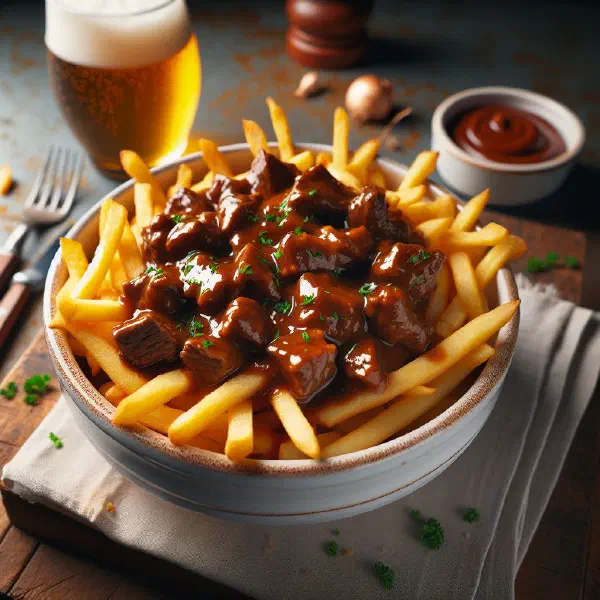
- Serve hot, ideally with Belgian fries or crusty bread.
Gluten-free / lactose-free version
Stoofvlees is easy to make gluten-free and lactose-free, which makes it a great option for anyone with food intolerances. Simply use a gluten-free stock and avoid ingredients that may carry gluten, such as certain ready-made tomato pastes or flavour enhancers. For a lactose-free version, check that the red wine contains no added sugars and serve sides that are free of dairy. You stay faithful to the tradition and still end up with a version that suits your needs, much like the lighter approach taken in a classic Waterzooi.
Tips for vegans and vegetarians
Although stoofvlees is traditionally made with beef, you can create a vegan or vegetarian version that is every bit as satisfying. Replace the meat with tofu or seitan to achieve a comparable texture. Be sure to use vegetable stock instead of beef stock, and swap the tomato purée for a certified vegan alternative. Experiment with different vegetables to build interesting flavours and give the dish your own twist, a mash-based side such as Stoemp makes an excellent partner here.
More tips and tricks
To get the very best out of your stoofvlees, a handful of small habits go a long way. Let the meat come up to room temperature before cooking so it browns and cooks more evenly. Try different wines to shift the flavour profile of the finished stew. Do not forget to stir the sauce occasionally during braising to stop it catching on the base of the pan. A longer cooking time generally means a more intense flavour, so do not be shy about letting the pot tick over for several hours.
Adapting the recipe to your taste
Everyone’s palate is different, and stoofvlees adapts to personal preference with very little effort. Add extra herbs and spices such as rosemary or paprika to give the dish more character. Experiment with vegetables like celery or parsley root, which shift the aroma in interesting directions. If you like a bit of heat, chilli or a heavier hand with the pepper will give the stew a welcome kick.
Ingredient substitutions
If some of the ingredients are not to hand, or you simply fancy a change, there are plenty of options. Instead of beef, lamb or game works well and opens up intriguing flavour combinations. Vegetable stock makes an excellent and flavourful stand-in for beef stock. In place of red wine you can use grape juice or another kind of alcoholic drink and still keep the depth of flavour without straying too far from the classic recipe, the same logic that underpins the beer-braised Carbonade Flamande.
Drink pairing ideas
A few well-chosen drinks round off the whole experience. A glossy red wine is the natural partner, since it echoes the flavours of the stew and intensifies them. Alternatively, serve a well-chilled craft beer or a classic Belgian ale to reflect the traditions of Belgian cuisine. For anyone avoiding alcohol, a sharp homemade lemonade is refreshing and holds its own against the richness of the sauce.
Serving and presentation ideas
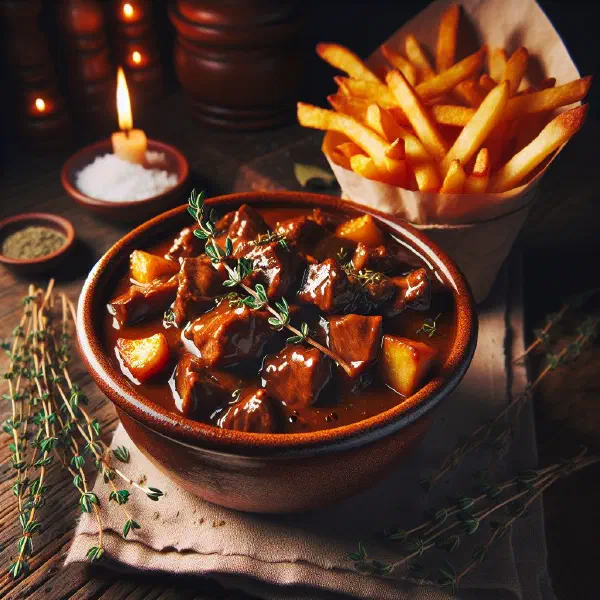
Presentation contributes a great deal to the pleasure of a meal. Serve the stoofvlees in a rustic cast-iron pan or on a handsome plate to underline the traditional charm of the dish. Garnish with fresh herbs such as parsley or thyme, which add flavour as well as a welcome touch of colour. The sides deserve care too: fries in a paper cone or crusty bread in a small basket, in the spirit of the ever-popular Frites met Stoofvlees.
A bit of history
Stoofvlees has a long tradition in Belgium and counts as a genuine national dish. Its roots reach back to the Middle Ages, when people concentrated on simple, nourishing food and developed the cooking techniques that made the most of humble cuts. Slow braising is not merely practical; it allows complex flavours to build as the ingredients mingle over hours. The dish reflects the Belgian love of good food and good company, and it remains a fixture at family celebrations and social occasions to this day, as does the venerable winter stew Vlaamse Hutsepot.
More recipe ideas
Summary: Stoofvlees
Stoofvlees brings the best of Belgian cooking to the table and wins hearts with its straightforward, hearty character. The dish combines tender braised beef with a glorious sauce that is made for fries or freshly baked bread. It is the obvious choice for cold evenings and sociable gatherings. With so many ways to vary the preparation and adapt it to your own taste, stoofvlees has more than earned its place as a kitchen classic.