National Dish Belgium: Tarte Tatin (Recipe)
In this article
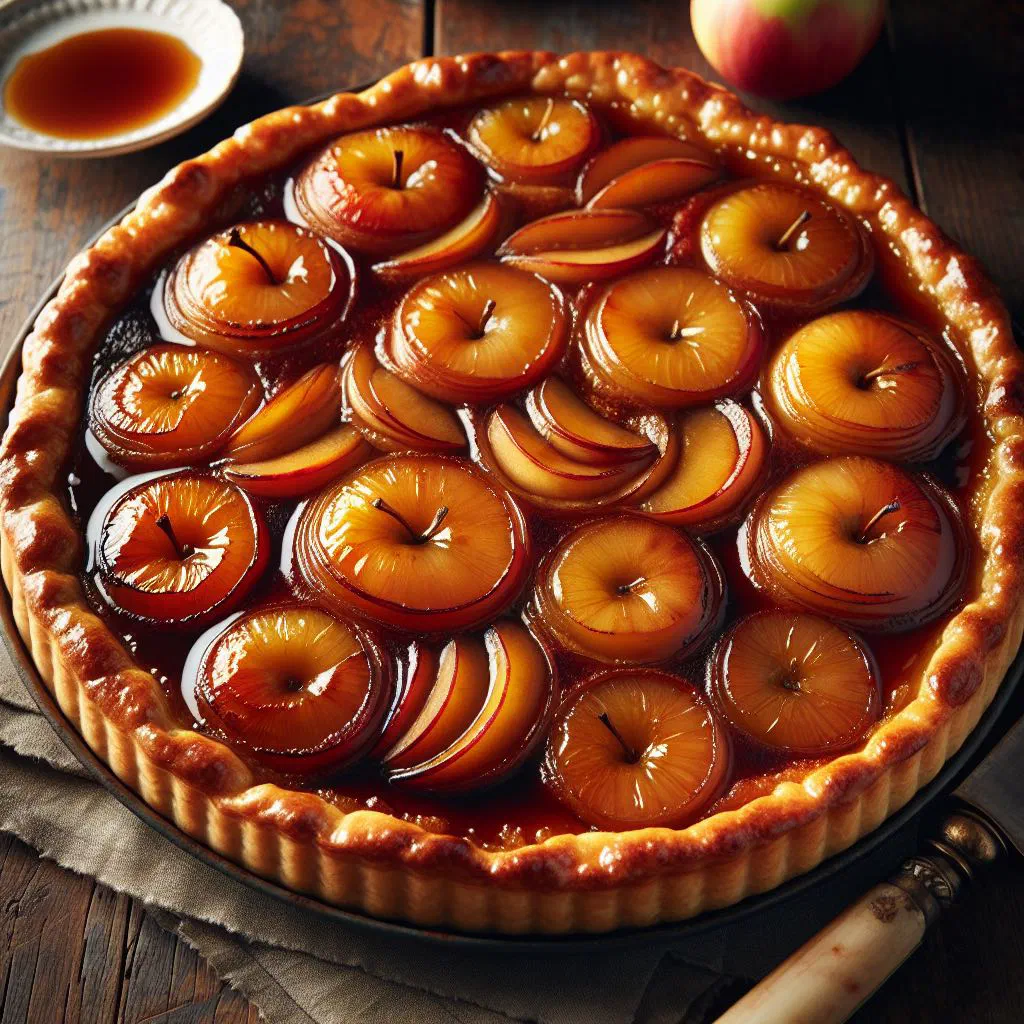
Few desserts turn a simple bowl of apples into something quite so glamorous. Tarte Tatin is an upside-down apple tart in which the fruit is caramelised in butter and sugar before a lid of pastry goes on top, and only once it is baked and turned out do you see the glossy, burnished result. Warm from the oven, with the caramel still running, it is the kind of pudding that quietly steals the show at any dinner table.
About Tarte Tatin
Tarte Tatin is a classic French dessert that wins people over with its very good pairing of sweet apples and buttery pastry. It was created by the sisters Stéphanie and Caroline Tatin in the late 1800s, and this upside-down apple tart is traditionally finished with a layer of caramel and served hot. It suits festive occasions beautifully and is a genuine highlight on any dessert table, a French classic that has long since been adopted across the border and become a fixture in Belgian bakeries and brasseries too.
Ingredients (serves 1–2)
- 300 g apples (Bramley or Jonagold, for example)
- 100 g sugar
- 50 g butter
- 1 pinch of cinnamon
- 1 sheet of ready-made puff pastry
Shopping for the ingredients
When shopping for tarte Tatin it is important to choose fresh, good-quality apples. Varieties such as Bramley or Jonagold work particularly well because they hold their shape during baking and develop a lovely aroma. Sugar comes in many forms at the supermarket, but ordinary granulated sugar is ideal for caramelising. Do not forget to pick up some butter from the chiller cabinet, as it makes an important contribution to the creamy texture of the dessert.
Preparing the dish
Preparing tarte Tatin involves a few straightforward steps. First, peel the apples and cut them into wedges. Then melt the butter in an ovenproof pan and add the sugar to make the caramel. Once the caramel is golden brown, add the apple wedges and let them soften briefly before laying the pastry over the top.
Step-by-step instructions
- Peel and core the apples, then cut them into wedges.
- Melt the butter in an ovenproof pan and add the sugar until it caramelises.
- Add the apples to the pan and cook over a medium heat for 5–10 minutes.
- Lay the puff pastry over the apples, tucking it well down around the edge.
- Bake in a preheated oven at 180°C for about 25–30 minutes.
- After baking, turn the tart out and serve warm.
Gluten-free / lactose-free version
To make a gluten-free or lactose-free tarte Tatin, use gluten-free puff pastry, which is now stocked by many supermarkets. In place of butter, plant-based alternatives work just as well for the caramel. Check all your other ingredients to make sure they are genuinely free from gluten and lactose. With these adjustments you can enjoy the dessert without a second thought, much like the naturally dairy-light Smoutebollen sold at Belgian fairgrounds.
Tips for vegans and vegetarians
For a vegan tarte Tatin, swap the butter for a plant-based margarine. It is also worth checking that your sugar is vegan, as some varieties are filtered using animal-derived bone char. Otherwise the basic recipe stays exactly the same. These small changes mean that a plant-based diet is no barrier to enjoying this delicious dessert.
More tips and tricks
One important tip for a perfect tarte Tatin is to layer the apples evenly so that they cook uniformly. A pinch of cinnamon lends the dish extra flavour and a gently spiced note. The choice of apple matters a great deal too, depending on your taste, you can use a combination of different varieties. And finally, let the dessert rest briefly after baking before you turn it out, so the caramel does not run away too quickly.
Adapting the recipe to your taste
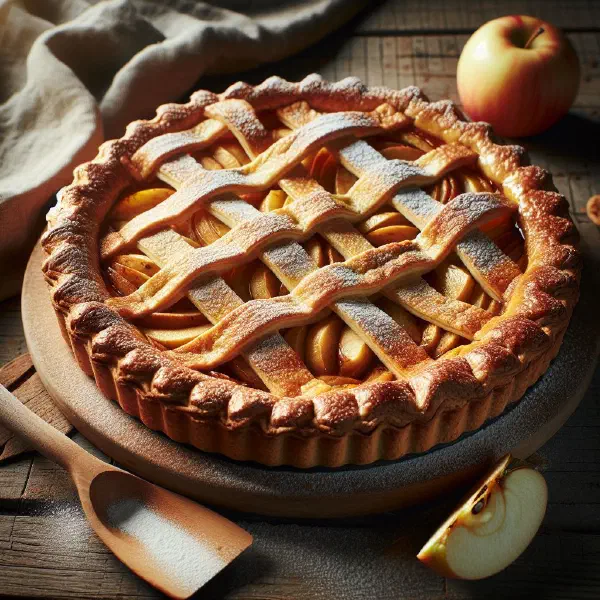
Tarte Tatin is an exceptionally flexible dessert that is easy to tailor to personal preference. You might add nuts such as almonds or walnuts for extra crunch, or introduce a hint of vanilla or a cream sauce on top for a richer finish. Give your creativity free rein and try out different variations until you have created your own favourite version. The same spirit of improvisation runs through Belgian baking, from Speculaas to a homely Appelgebak.
Ingredient substitutions
If you have no apples to hand, you can make tarte Tatin with other fruit; pears or peaches work wonderfully. For a more unusual option, try firmer fruits such as pineapple, which add an exotic note. With the sugar, you can also experiment with alternative sweeteners to dial the sweetness up or down as you like. Remember that introducing new flavours can make the dessert all the more interesting.
Drink pairing ideas
A range of drinks goes beautifully with a good tarte Tatin. A glass of crisp white wine or a lightly sweet cider complements the fruitiness of the apples perfectly. If you would rather avoid alcohol, an aromatic tea or a citrus lemonade adds a refreshing note. A strong coffee or espresso also harmonises wonderfully with the sweetness of the dessert.
Serving and presentation ideas
Presentation is a decisive factor in showing your tarte Tatin off at its best. Serve the dessert on an attractive cake stand or a rustic wooden board. A light dusting of icing sugar over the surface gives it an elegant look, while fresh mint leaves or a scoop of vanilla ice cream round off the picture. Let the eye eat too, because a prettily decorated tart is a real showstopper, the same care that goes into a classic Dame Blanche.
A bit of history
The story of tarte Tatin goes back to the late 1800s, when the Tatin sisters created the recipe at their hotel in Lamotte-Beuvron, France. As legend has it, the dessert was made by accident when one of the sisters left the apples in the pan for too long. Rather than throw the mixture away, she simply covered the apples with pastry and served the result. Since then the tart has become one of the great classics of French baking, and it travelled easily into Belgian cuisine, where fruit tarts are a long-standing tradition.
More recipe ideas
Summary: Tarte Tatin
Tarte Tatin is a decadent yet comparatively simple dessert that convinces on both looks and flavour. With its glorious caramel and fragrant apples, it makes the perfect end to any meal. The tips gathered here should help you refine the method and adapt the recipe to suit your own preferences. Give it a go and discover for yourself why this tart has become such an enduring classic.