National Dish Belgium: Waterzooi (Recipe)
In this article
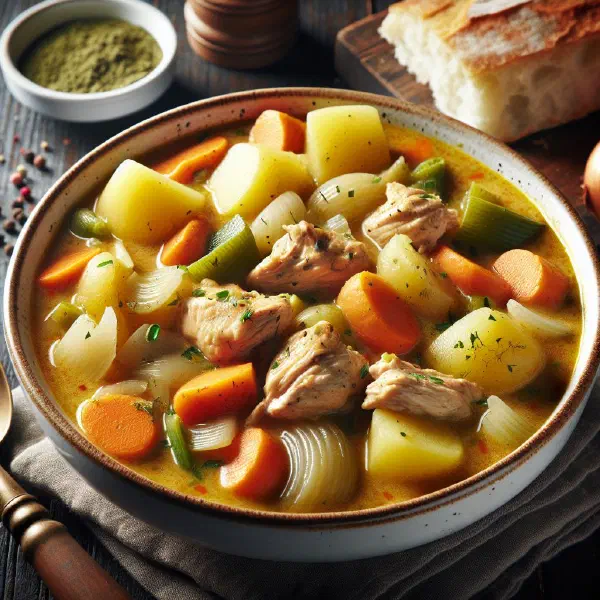
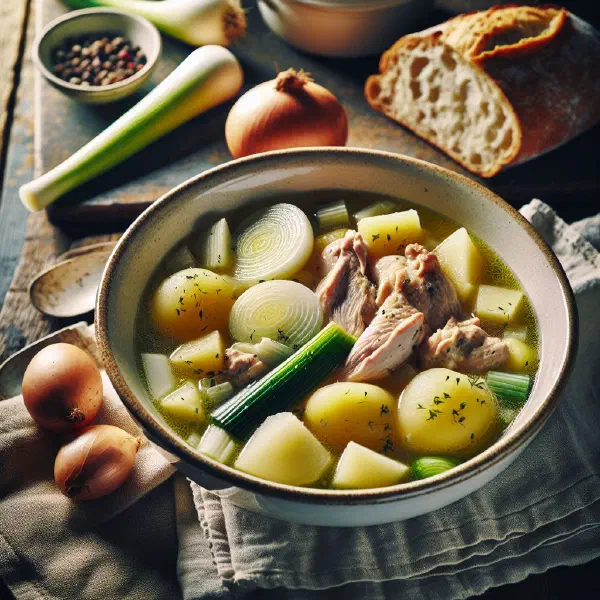
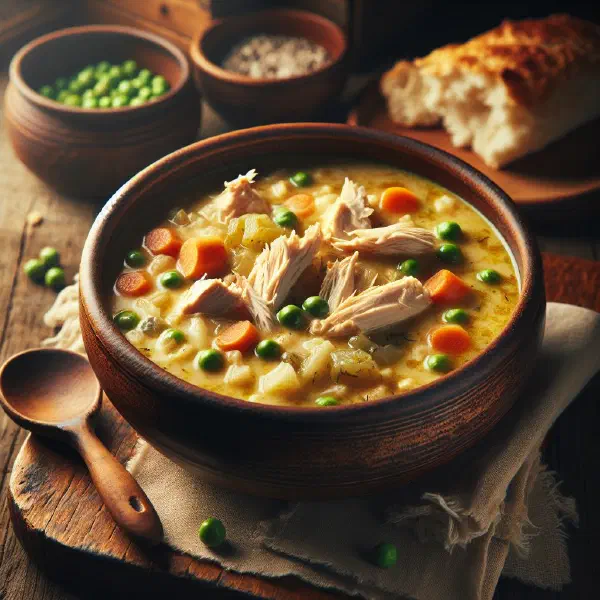
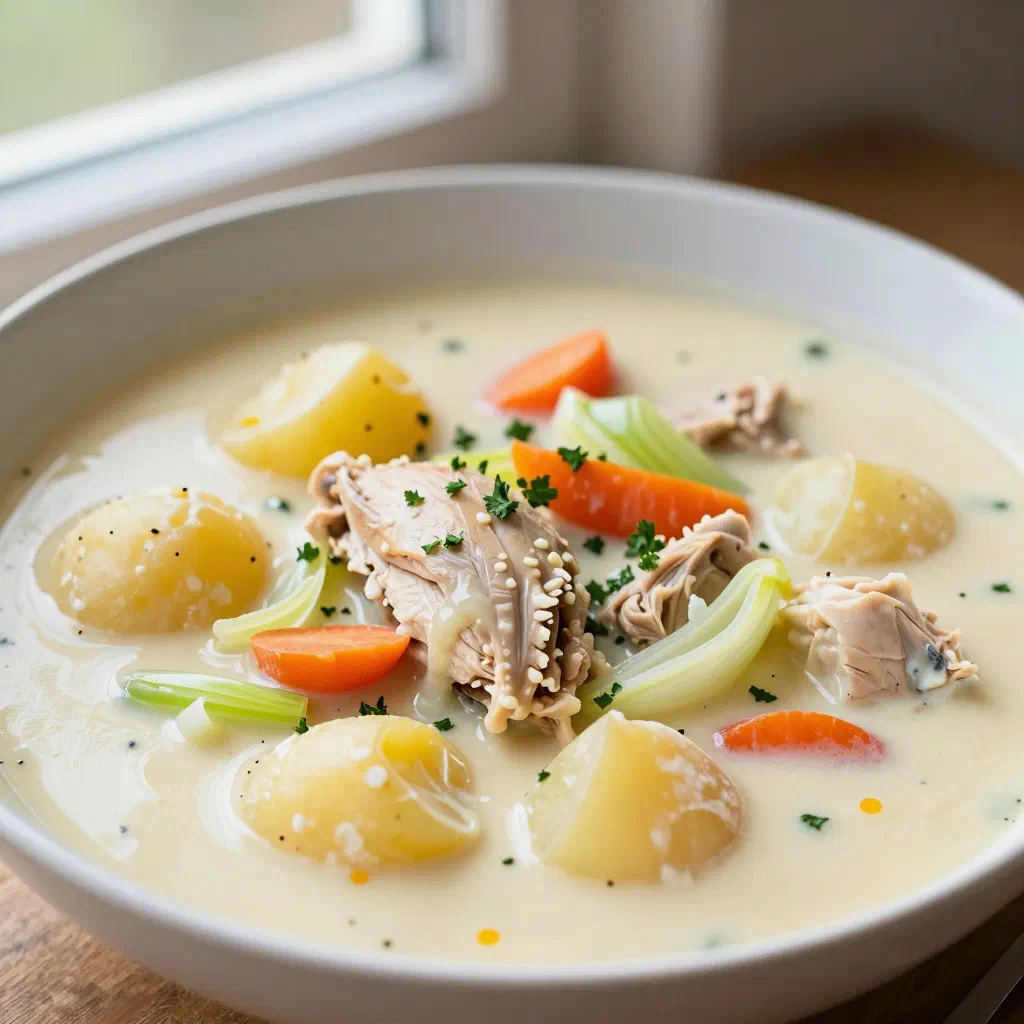
Discover Waterzooi, the gently creamy stew that Belgium turns to whenever the weather closes in. Tender chicken or flaking white fish sits in a silky, herb-flecked broth alongside sweet carrots, celery and potatoes, a bowlful of quiet comfort rather than fireworks. It is the kind of dish that fills a kitchen with warmth on a grey winter evening, yet is elegant enough for a table set for guests.
About Waterzooi
Waterzooi is a traditional Belgian stew that originated in the city of Ghent, in the Flemish north of the country. Over the centuries it has grown into a symbol of Belgian home cooking and is most often prepared with either chicken or fish. The combination of tender pieces of meat, fresh vegetables and a creamy broth makes waterzooi a nourishing and heart-warming meal. Whether it appears on a cold winter’s evening or at a special occasion, waterzooi brings a real sense of cosiness to the table.
Ingredients (serves 1–2)
- 400g chicken breast, or 300g fish fillet (cod works beautifully)
- 2 medium carrots
- 1 stick of celery
- 1 small onion
- 2 potatoes
- 500ml chicken or vegetable stock
- 200ml single cream
- Fresh herbs (parsley or dill)
- Salt and pepper, to taste
Shopping for the ingredients
When shopping for waterzooi, freshness should be your guiding principle. Choose good-quality meat or properly fresh fish, as the broth is delicate and will show up anything second-rate. Vegetables such as carrots and celery should be crisp and firm, since they release their aromas slowly into the liquid as the stew cooks. It is well worth visiting a local market to track down the best seasonal produce, the same instinct that rewards you when cooking a hearty Vlaamse Hutsepot.
Preparing the dish
The next step is to get all the ingredients for waterzooi ready before you light the hob. Cut the vegetables into evenly sized pieces so that they cook at the same rate and nothing turns to mush while something else is still raw. The chicken or fish should be cut into bite-sized chunks to make the cooking easier and the eating more pleasant. If you are using a whole chicken, browning the bones first will give the stock noticeably more depth and body.
Step-by-step instructions
- Sweat the vegetables (carrots, celery, onion and potatoes) in a large pan with a little oil until they begin to soften.
- Add the chicken or fish and cook briefly to seal.
- Pour in the stock and bring to the boil, then reduce the heat and simmer gently for 20 minutes.
- Stir in the cream and simmer for a further 5 minutes, until the vegetables and the meat or fish are cooked through.
- Season with fresh herbs, salt and pepper, and serve straight away.
Gluten-free / lactose-free version
For a gluten-free waterzooi, the main thing to check is the stock, as shop-bought cubes and pastes often contain wheat derivatives. To make the dish lactose-free, swap the cream for a plant-based alternative such as coconut milk or almond milk. Both bring their own gentle character to the broth and work perfectly well with the vegetables. As always, it pays to read the labels carefully so that no hidden allergens slip through.
Tips for vegans and vegetarians
To adapt waterzooi for vegans and vegetarians, replace the chicken or fish with tofu or seitan. Vegetable stock makes an excellent base, and together with a generous mix of vegetables such as cauliflower and courgette the dish loses none of its appeal. Remember to substitute the cream with a plant-based alternative as well. With plenty of fresh herbs and careful seasoning you can build a deeply flavoured vegan or vegetarian waterzooi that stands on its own.
More tips and tricks
The single most useful tip when cooking waterzooi is to let the broth simmer slowly, giving the aromas time to develop rather than forcing them out over a fierce heat. You can also experiment with additional seasonings such as thyme or a bay leaf. Using fresh, seasonal vegetables will lend the dish a particular character each time you make it. And do let the finished stew rest for a few minutes before serving so the flavours settle.
Adapting the recipe to your taste
Waterzooi is easy to adjust to personal preference. Prefer things with more of a kick? A little chilli or a good grind of black pepper will do the job. For an even richer, more velvety consistency, simply add a touch more cream. For a Mediterranean twist, ingredients such as olives or capers can be folded in towards the end. That flexibility is what keeps waterzooi interesting, whatever your mood.
Ingredient substitutions
If you would rather skip the chicken or fish altogether, pulses such as chickpeas or lentils make a fine substitute in your waterzooi. They are rich in protein and lend the broth a pleasantly thick texture. Sweet potatoes or pumpkin can stand in as an alternative source of carbohydrate in place of the usual potatoes. Let your imagination run and experiment with whatever ingredients you enjoy most.
Drink pairing ideas
A hearty dish like waterzooi is beautifully served by a crisp white wine, particularly a dry Sauvignon Blanc or a fruity Riesling. If you are staying off the alcohol, sparkling mineral water with lemon or an aromatic herbal tea will do the job nicely. A classic Belgian beer is another excellent choice, a Witbier in particular has the citrus lift that cuts through the cream.
Serving and presentation ideas
Presentation can add a good deal to the pleasure of eating waterzooi. Serve the stew in handsome, deep bowls and garnish it with plenty of fresh herbs. A scattering of croutons or a little grated cheese adds visual interest as well as texture. Serving it with a piece of fresh baguette rounds off the meal and gives everyone something to mop up the last of the broth with.
A bit of history
Waterzooi has a history rooted deep in the traditions of Belgian cuisine. The dish was originally created as humble, everyday fare for people of modest means, yet today it appears on the menus of fine restaurants across the country. The name itself points to the original method of preparation, in which water formed the main body of the liquid. For centuries waterzooi has been a favourite in Belgium, standing as a symbol of the warmth and hospitality of the region, much as Stoofvlees does in the taverns of Flanders.
More recipe ideas
Summary: Waterzooi
In short, waterzooi is an absolute must for anyone with a fondness for Belgian cooking. The versatility of the dish means it can be shaped around all sorts of tastes and dietary needs. Or reworked as a vegan version, waterzooi has something to offer every palate. Let yourself be won over by the warmth and gentle aromas of this traditional stew, and enjoy every last spoonful.