National Dish Belize: Belizean Dukunu (Recipe)
In this article
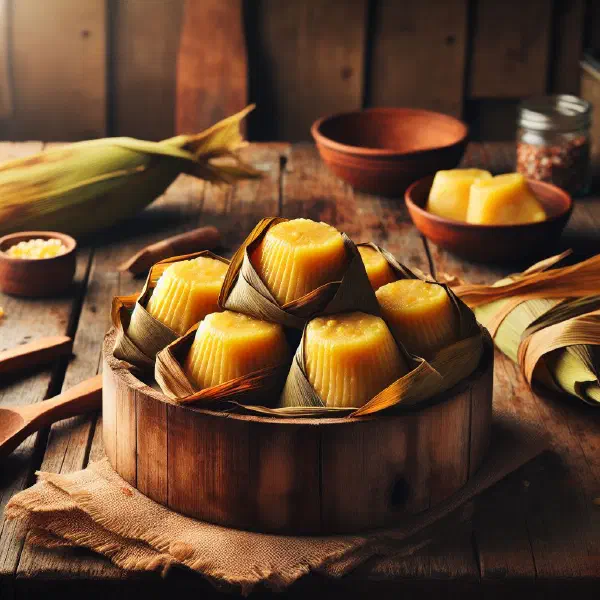
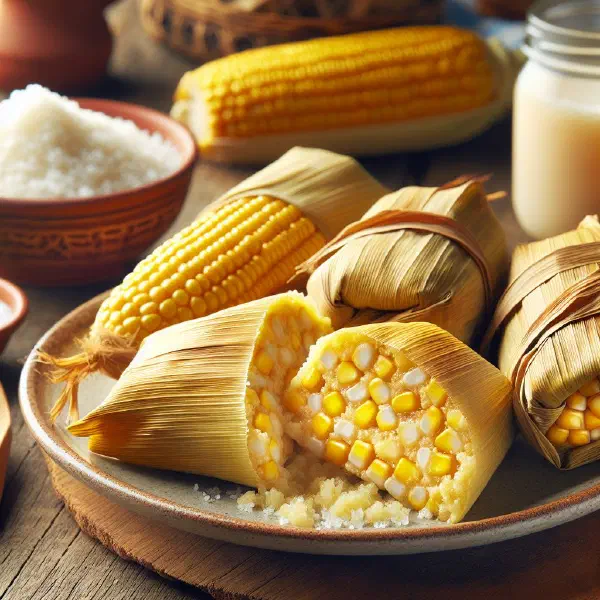
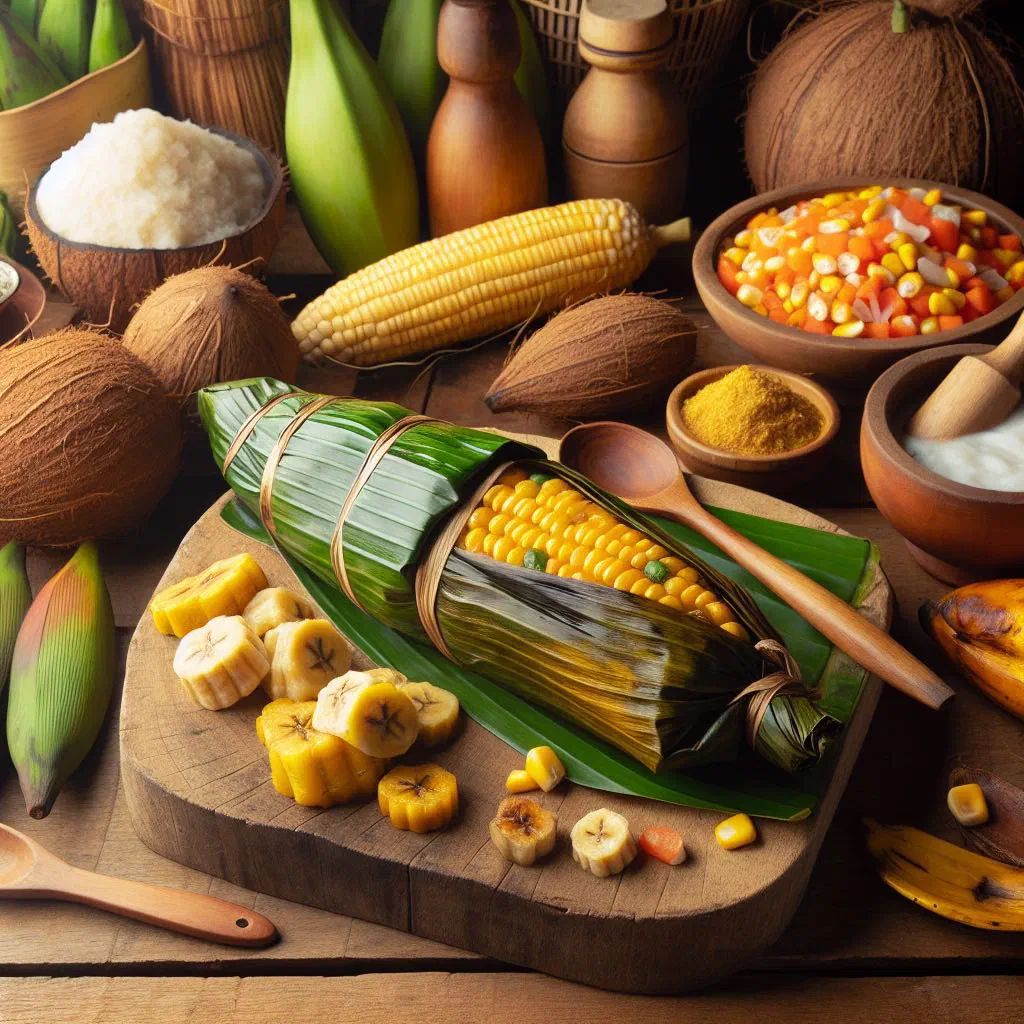
Meet Dukunu, a soft, sweet-and-savoury corn parcel that captures the tropical soul of Belizean cooking. Made from corn meal and rich coconut milk, then steamed inside fragrant banana leaves, it fills the kitchen with a gentle, earthy aroma the moment you unwrap it. This humble little bundle carries centuries of Belizean heritage straight to your plate.
About Dukunu
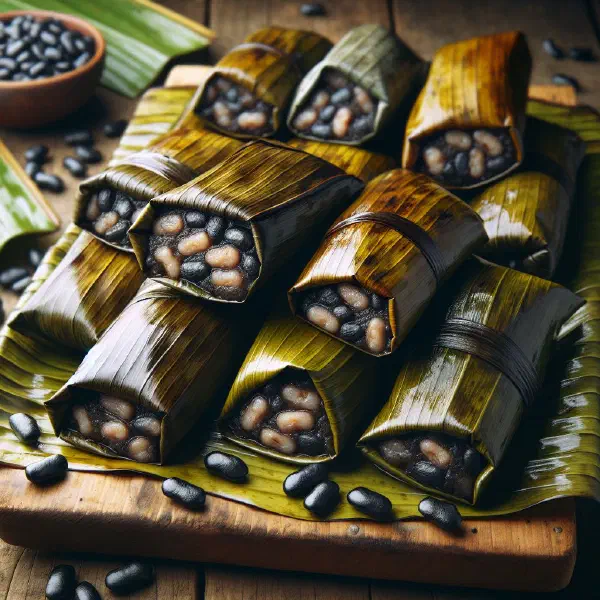
Dukunu is a traditional Belizean dish prepared from corn meal and coconut. It is cooked inside banana leaves, which keep it wonderfully moist and lend it a distinctive, aromatic character. Enjoyed as a snack or as a side dish, it brings the cultural heritage of Belize right to your table.
Ingredients (serves 1–2)
- 1 cup corn meal
- 1/2 cup coconut milk
- 1/4 cup sugar
- 1/2 teaspoon salt
- 2 banana leaves
- Water, for steaming
Shopping for the ingredients
The ingredients for dukunu are available in most Asian or Latin American grocery stores. Look out for fresh banana leaves, as they give the dish its special flavour and aroma. If you can find fresh corn meal, so much the better, otherwise ordinary packaged corn meal works perfectly well, and the flavours stay just as delicious. It is a wonderfully simple shopping list for such a rewarding result.
Preparing the dish
Before you begin, the banana leaves should be washed thoroughly and briefly blanched in hot water. This makes them far more flexible and much easier to fold. Next, measure out and lay out your ingredients so the cooking process runs smoothly. A tidy work surface helps you stay focused and turns the whole preparation into a relaxed, enjoyable task.
Step-by-step instructions
- In a bowl, combine the corn meal, coconut milk, sugar and salt, mixing well until you have a smooth batter.
- Cut the banana leaves into squares roughly 20×20 cm and spread the mixture evenly across them.
- Fold the leaves around the filling and secure each parcel with kitchen twine or a length of string.
- Bring a large pot of water to the boil, lower in the wrapped parcels and steam for 30–40 minutes.
- Once cooked, lift the parcels carefully from the water, let them cool a little, then serve.
Gluten-free / lactose-free version
Dukunu is easy to prepare gluten-free and lactose-free, as its main ingredients are naturally free of both. Simply use corn meal and coconut milk without any additives to be sure no gluten sneaks in. The dish is an excellent choice for anyone with special dietary needs, since the ingredients are both nourishing and satisfying. Take care to keep the banana leaves free of any gluten-containing products too.
Tips for vegans and vegetarians
Dukunu is naturally vegan and vegetarian, as it contains no animal products at all, which makes it a perfect fit for plant-based diets. To coax out even more flavour, try adding warming spices such as cinnamon or nutmeg. You could also experiment with different fillings, puréed fruit, for example, to create a sweeter version that is every bit as delicious.
More tips and tricks
A handy trick is to pass the banana leaves briefly over an open flame before using them: this makes them even more supple and adds a subtle smoky aroma. If you have no banana leaves to hand, rice paper can stand in, though it will give the dish a slightly different taste. Take care not to overfill the parcels, or they may burst during steaming. Dukunu can also be made ahead of time and simply reheated later.
Adapting the recipe to your taste
Dukunu is easy to tailor to your own preferences. Fold in nuts, dried fruit or any other favourite ingredients to create your personal version. The amount of sugar can be adjusted to suit exactly how sweet you like it. Play around with different spices to discover new flavour combinations and find out which one you enjoy most.
Ingredient substitutions
If you have no coconut milk to hand, other plant-based milks such as almond milk or soya milk make good alternatives. They bring a slightly different flavour but are just as tasty. The sugar can likewise be replaced with honey or agave syrup for a different kind of sweetness, the same natural sweetness that shines in a Sweet Potato Pudding. Bear in mind that these swaps may alter the texture and taste a little.
Drink pairing ideas
Dukunu goes beautifully with fresh fruity juices or coconut water, both of which echo the flavours of the dish. A cool glass of lime juice or a homemade iced tea adds a refreshing note. For something extra special, whip up a coconut-based, alcohol-free piña colada. These drinks complement the food and create a welcoming, festive atmosphere, much like a glass of Soursop Juice alongside a Belizean spread.
Serving and presentation ideas
Present dukunu on a large platter to heighten that festive feeling. Garnish the dish with fresh herbs or fruit for a splash of colour. You can also use the banana leaves themselves as a decorative base to preserve that authentic look. Make serving a special moment by opening the parcels together with your guests, releasing the wonderful aroma all at once.
A bit of history
Dukunu has its roots in the culture of Belize’s indigenous peoples and is a symbol of the country’s culinary diversity. Historically it was often served at festivals and special occasions to celebrate community and togetherness. The use of coconut and corn in the kitchen reflects Belize’s rich agricultural traditions. Today dukunu is hugely popular with locals and tourists alike and has become a genuine gastronomic highlight of Belizean cuisine.
More recipe ideas
Summary: Dukunu
Dukunu is a captivating dish that showcases the fragrant, diverse flavours of Belize. With simple ingredients and an uncomplicated method, it is ideal for anyone keen to try something new. Dukunu brings a touch of tropical flair to your kitchen. Let this Belizean treasure inspire you and rediscover the joy of cooking and sharing good food.