National Dish Belize: Pibil Pork (Recipe)
In this article
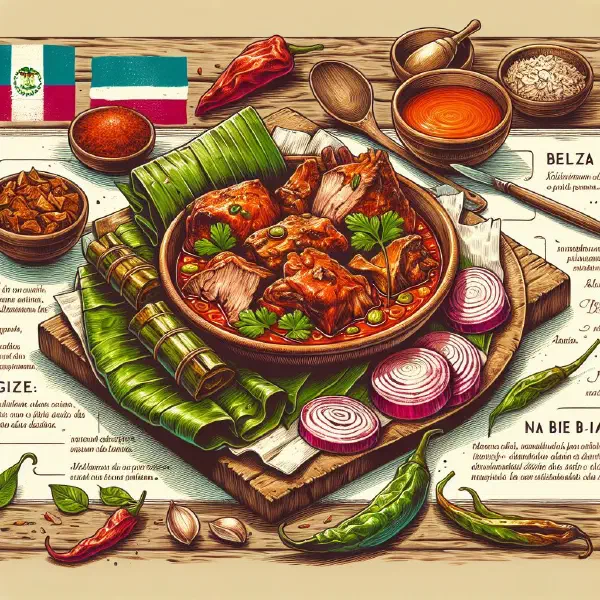
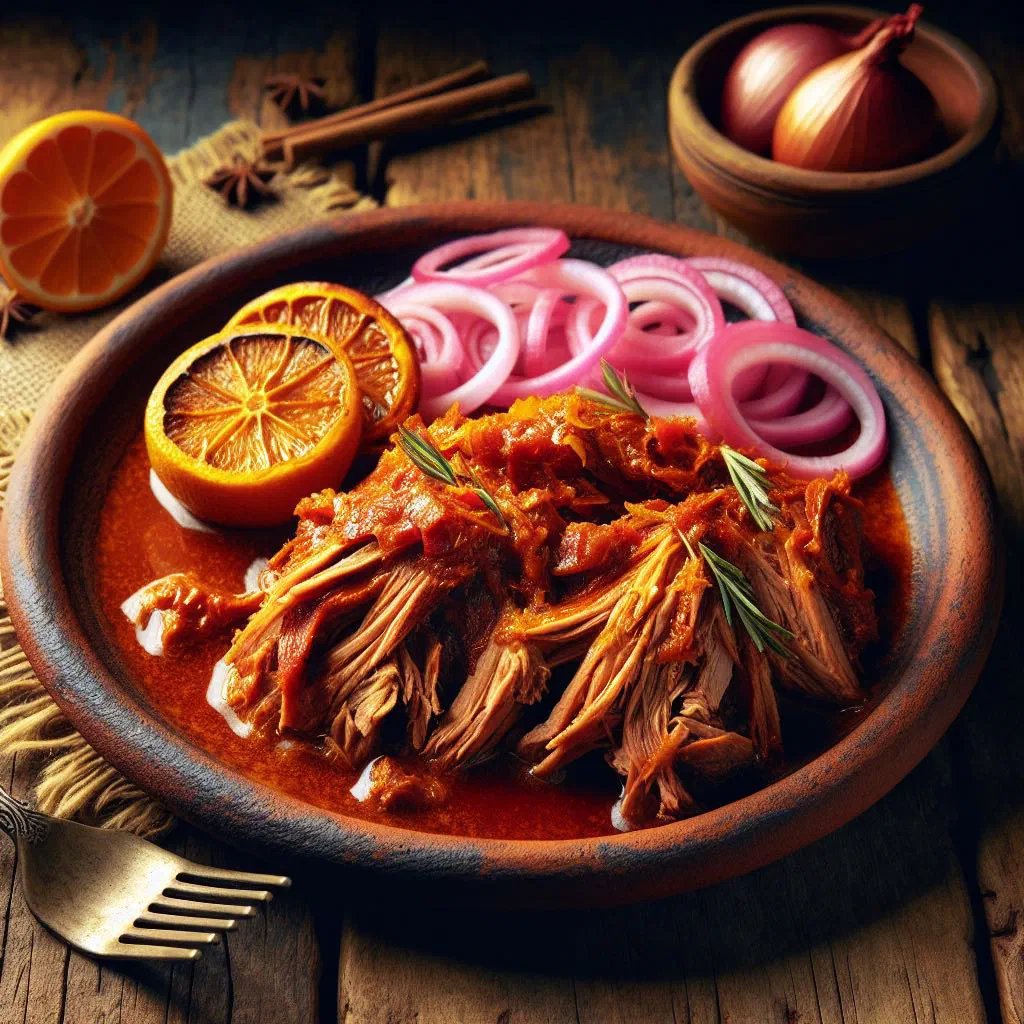
Discover Pibil Pork, a slow-cooked treasure with deep roots in the Maya culture of Belize. Tender pork is bathed in a vivid marinade of achiote paste and fresh citrus juices, then wrapped in banana leaves and cooked low and slow until it falls apart at the touch of a fork. Traditionally reserved for special occasions, this dish carries centuries of history in every fragrant, earthy bite. Bring a taste of the Yucatán and the Belizean table into your own kitchen.
About Pibil Pork
The dish Pibil Pork is a culinary speciality and a meaningful part of the tradition and history of the Maya culture. It is usually prepared for special occasions and has been passed down and refined over many generations. The secret to its flavour lies in the distinctive achiote paste, which works together with fresh citrus juices to make the pork wonderfully tender and juicy. Slow cooking in the earth gives the meat an unmistakable aroma that is truly worth experiencing, much like the earthy depth found in a good Hudut.
Ingredients (serves 1–2)
- 500 g pork (e.g. shoulder)
- 3 tablespoons achiote paste
- 1/2 cup freshly squeezed orange juice
- 1/4 cup lime juice
- 2–3 garlic cloves, crushed
- Salt and pepper to taste
- 4 banana leaves (or aluminium foil)
Shopping for the ingredients
The ingredients for Pibil Pork are available in most well-stocked supermarkets or in Asian and Latin American grocery shops. Achiote paste, often made from annatto seeds, gives the dish its characteristic colour and a unique flavour. Freshly squeezed citrus juices are essential for making the meat tender. Remember to look for good-quality pork when you shop, as it makes all the difference to the final result.
Preparing the dish
Preparing Pibil Pork begins with marinating the pork. Combine the achiote paste with the citrus juices and garlic to create an aromatic marinade. The meat should be marinated for at least 2–4 hours, and ideally overnight, so the flavours can soak right through. Once marinated, wrap the meat in the banana leaves to get it ready for slow cooking.
Step-by-step instructions
- Cut the pork into cubes and place it in a bowl.
- Add the achiote paste, orange juice, lime juice and garlic, then mix well.
- Leave the meat to marinate for 2–4 hours or overnight.
- Wrap the marinated meat in banana leaves, making sure it is well sealed.
- Cook in a preheated oven or on the grill at a low temperature for 4–6 hours.
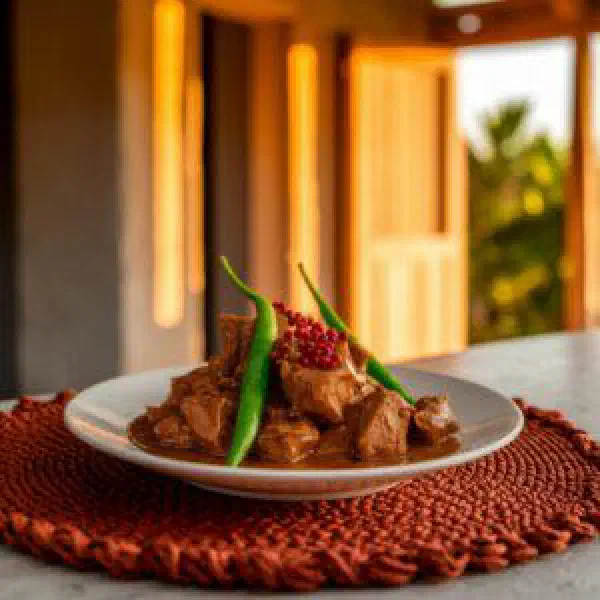
- Once cooked, unwrap the meat, pull it apart until tender and serve.
Gluten-free / lactose-free version
The recipe for Pibil Pork is naturally gluten-free and lactose-free, which makes it ideal for anyone with those intolerances. Do take care, however, that every ingredient you use, especially in the marinade, is also gluten-free. Achiote paste is usually free from gluten, but it is always wise to check the ingredient list. By using fresh meat and natural ingredients, the dish stays both wholesome and delicious.
Tips for vegans and vegetarians
For vegans or vegetarians, there are easy ways to adapt this recipe. Instead of pork, you can use jackfruit, which has a similar texture and holds up beautifully to the flavours of the marinade. The marinade itself stays exactly the same, so the dish still develops a deep, spiced flavour despite the meat-free swap. Another option is to use tofu or seitan, which can likewise be steeped in the achiote marinade and cooked through.
More tips and tricks
A few tips for preparing Pibil Pork can improve both the flavour and the presentation. Take care to cover the banana leaves with a damp cloth so they do not dry out. A smoking wood such as mesquite can be added during cooking to give the meat an extra smoky note. If you would like to present the dish more decoratively, garnish it with fresh herbs such as coriander before serving.
Adapting the recipe to your taste
The beauty of Pibil Pork lies in its versatility. You can adjust the spices to suit your own palate. Add a little chilli, for example, if you like things hot. For a sweeter note, stir a touch of honey into the marinade. You can also alter the cooking time depending on just how tender you would like your meat, in the same relaxed spirit as a slow-simmered Stew Chicken.
Ingredient substitutions
If some ingredients prove hard to find, there are good alternatives to hand. When achiote paste is unavailable, you can use a blend of paprika and cumin, which offers a similar colour and flavour profile. Freshly squeezed citrus juices can be replaced with shop-bought versions, though the fresher taste is often the better choice. It is also worth exploring regional markets, which can offer a wider variety of spices and ingredients.
Drink pairing ideas
A range of drinks pairs well with Pibil Pork and helps bring out its flavours. A chilled craft beer works beautifully with the dish’s spiced aroma. Alternatively, a refreshing mojito or a homemade lemonade with fresh herbs makes a lovely match. A fruity sangria can also be an excellent choice for rounding out the flavours of the meal, as can a glass of Belizean Rum Punch.
Serving and presentation ideas
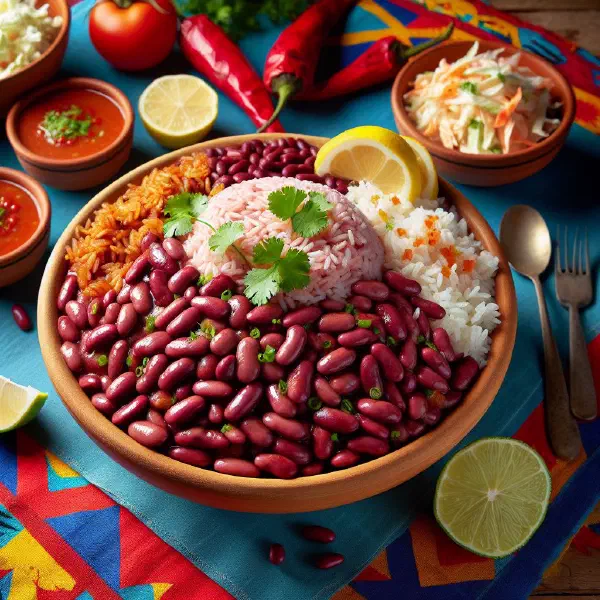
The presentation of Pibil Pork can be lifted with a few simple touches. Serve the meat on a large wooden board and garnish it with fresh herbs and citrus slices. Small bowls of different salsas and sides such as black beans and rice make the meal feel especially inviting. Colourful plates or dishes help underline the festive character of the recipe, a natural partner to classic Rice And Beans.
A bit of history
Pibil Pork has a long history that reaches back to the Maya. Originally the dish was cooked in a so-called earth oven, a very ancient cooking technique. Today, thanks to the traditions bound up with it, it is often served at festivals and celebrations. The dish is a delicacy in terms of flavour and a piece of cultural heritage that reflects the deep connection between people and their history, a connection you can taste right across Belizean cuisine.
More recipe ideas
Summary: Pibil Pork
In summary, Pibil Pork offers an incomparable taste experience, rich in tradition and cultural heritage. The preparation takes a little time, but the results are well worth every effort. This dish draws food lovers from all over the world and is perfect for sociable occasions. One bite of this tender, spiced meat will bring you a little closer to the history and culture of Belize.