National Dish Benin: Aloko (Recipe)
In this article
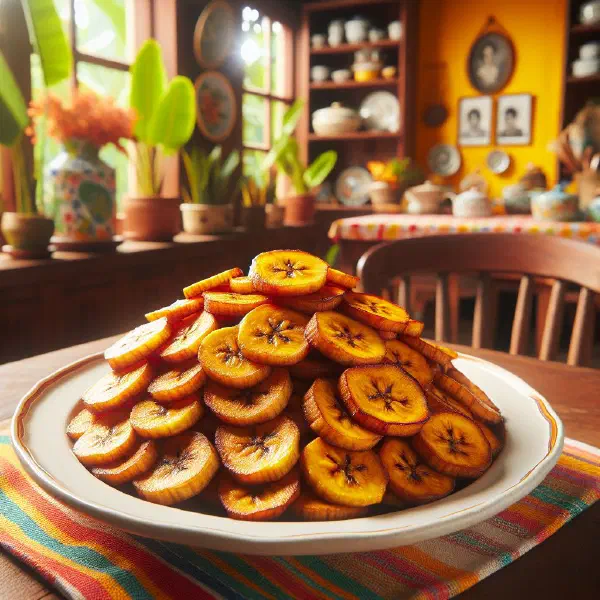
Meet Aloko, Benin’s golden, very good answer to the humble side dish. Ripe plantains are sliced, dropped into hot oil and fried until the edges caramelise into deep amber, giving you crisp corners and a soft, honeyed centre. A bowl of fiery chilli sauce on the side turns the sweetness into something altogether more exciting. Served on street corners from dawn until late at night, it is snack, side and celebration all at once, and it takes barely fifteen minutes to bring West African sunshine into your own kitchen.
About Aloko
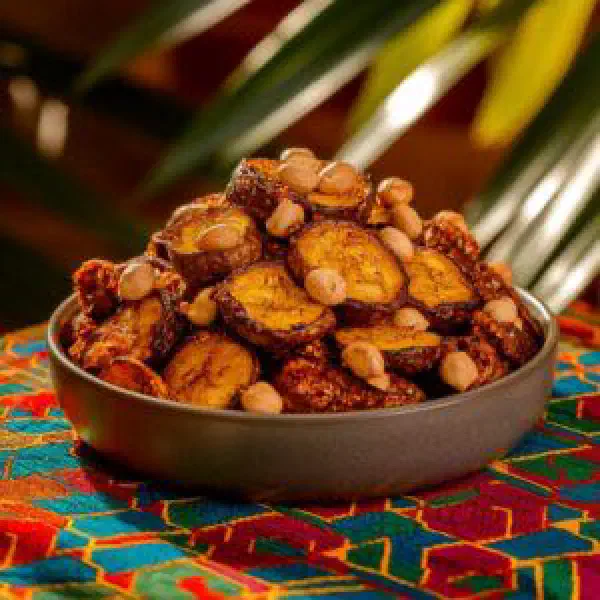
Aloko is a celebrated national dish of Benin that has won over countless palates across the region. It is made from ripe plantain, fried until golden and offering a distinctive balance between sweetness and savoury depth. The burnished pieces are as much a pleasure to look at as they are to eat. Aloko is usually served with a spicy sauce that sharpens and intensifies the whole experience, making it equally at home as a snack or as a side dish alongside a heartier plate.
Ingredients (serves 1–2)
- 2 ripe plantains
- Oil for deep-frying
- Salt to taste
- Spicy sauce (for example chilli, tomato and onion)
Shopping for the ingredients
When shopping for aloko, the single most important thing is that the plantains are properly ripe, as ripe fruit fries up sweeter and far more flavourful. African and Asian grocery shops are the most reliable source of fresh plantains. If you are buying from an ordinary supermarket, look for skins that have turned largely brown or black and fruit that yields gently to the touch. Groundnut oil or sunflower oil is best for frying, as both cope well with high temperatures without burning.
Preparing the dish
Before you start cooking aloko, peel the plantains carefully, the skins are tougher than those of dessert bananas, so a short cut down the length of the skin helps. Use a sharp knife so you can cut the fruit into even pieces, which is the key to uniform frying. Aim for chunks of about 1 to 2 cm, either as rounds or on the diagonal. While you prepare the plantains, mix the spicy sauce as well, so that everything is ready the moment the frying begins.
Step-by-step instructions
- Heat the oil in a deep pan over a medium to high heat.
- Carefully lower the cut plantain pieces into the hot oil.
- Fry the plantains for around 3–5 minutes, until golden brown and crisp at the edges.
- Lift them out with a slotted spoon and drain on kitchen paper.
- Sprinkle the hot pieces with salt and serve with the spicy sauce.
Gluten-free / lactose-free version
Aloko is naturally gluten-free and lactose-free, which makes it an excellent choice for anyone with particular dietary needs. Do check the ingredients of any bought seasoning sauces, though, to make sure no hidden gluten or dairy has slipped in. When choosing your oil, go for a well-refined variety that carries no traces of allergens. That way you can enjoy the dish with complete peace of mind, much like the naturally gluten-free Akara fritters.
Tips for vegans and vegetarians
Because aloko consists solely of plant-based ingredients, it is an ideal snack for vegans and vegetarians. To take the dish further, enrich the spicy sauce with plant-based additions such as vegan mayonnaise or a splash of coconut milk. Use fresh, ideally organic produce to bring out the full character of the flavours. These small adjustments guarantee a delicious, satisfying plate that everyone at the table can share.
More tips and tricks
A few useful tricks will help you perfect your aloko. Try soaking the plantain pieces briefly in lightly salted water before frying. It helps them crisp up more effectively in the pan. It is also worth making sure the oil is at the right temperature so the plantains cook through evenly rather than colouring on the outside while staying raw within. Use a thermometer if you have one, and never crowd the pan, as too many pieces at once will drop the heat sharply.
Adapting the recipe to your taste
The aloko recipe is easy to adapt to your own preferences. If you enjoy experimenting, stir different spices and herbs into the sauce, or give the plantains a short marinade with ginger and chilli before they go into the oil. You could also fry other vegetables and serve them alongside as an extra side. Be creative and find the combination that suits you best, the same spirit of improvisation runs through much of Beninese cuisine.
Ingredient substitutions
If certain ingredients are not to hand, there are plenty of alternatives. Very firm, barely ripe plantains work too, though they will be starchier and less sweet, closer in character to Banane Plantain Frites. For the sauce, tomato purée stands in perfectly well for fresh tomatoes when they are out of season. Experiment with different oils to discover which gives you the flavour you like most, and enjoy discovering just how varied this simple dish can be.
Drink pairing ideas
Various drinks pair beautifully with aloko and round out the eating experience. A fruity cocktail built on pineapple or mango makes a refreshing companion. A cold beer works just as well, as does a chilled non-alcoholic option such as brewed hibiscus tea, known locally as Bissap, which harmonises wonderfully with the sweet and savoury notes of the dish. For a truly authentic experience, look to traditional West African drinks such as spiced ginger juice.
Serving and presentation ideas
Presentation plays an important part in enjoying your aloko. Serve the fried plantains on an attractive plate and garnish them with fresh herbs. Set the spicy sauce beside them in a small bowl so that everyone can dip as much or as little as they like. A thoughtful arrangement can improve the whole meal considerably and impress your guests. Remember to vary colours and textures to achieve an appetising look.
A bit of history
Aloko has a history and is a much-loved dish in Benin and across the wider West African region. Conceived originally as street food, it has grown into a popular snack enjoyed at any hour of the day. Aloko reflects the cultural and culinary traditions of the region and is an outstanding example of how local ingredients are put to work. Preparing and eating it is a pleasure for the palate and a way of experiencing the culture and history of West Africa at first hand.
More recipe ideas
Summary: Aloko
Aloko is a singular and delicious dish that reflects the culture and cooking of Benin. Its simple yet flavourful recipe makes those golden, fried plantains easy to prepare, and they suit both a snack and a side dish equally well. The interplay of flavours and the sheer scope for adaptation have made aloko a favourite enjoyed in countless households. Aloko is a dish that is certain to bring pleasure.