National Dish Benin: Amonou (Recipe)
In this article
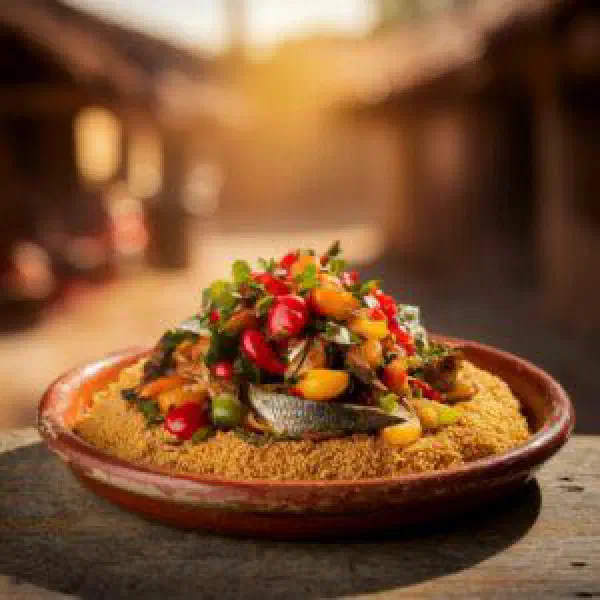
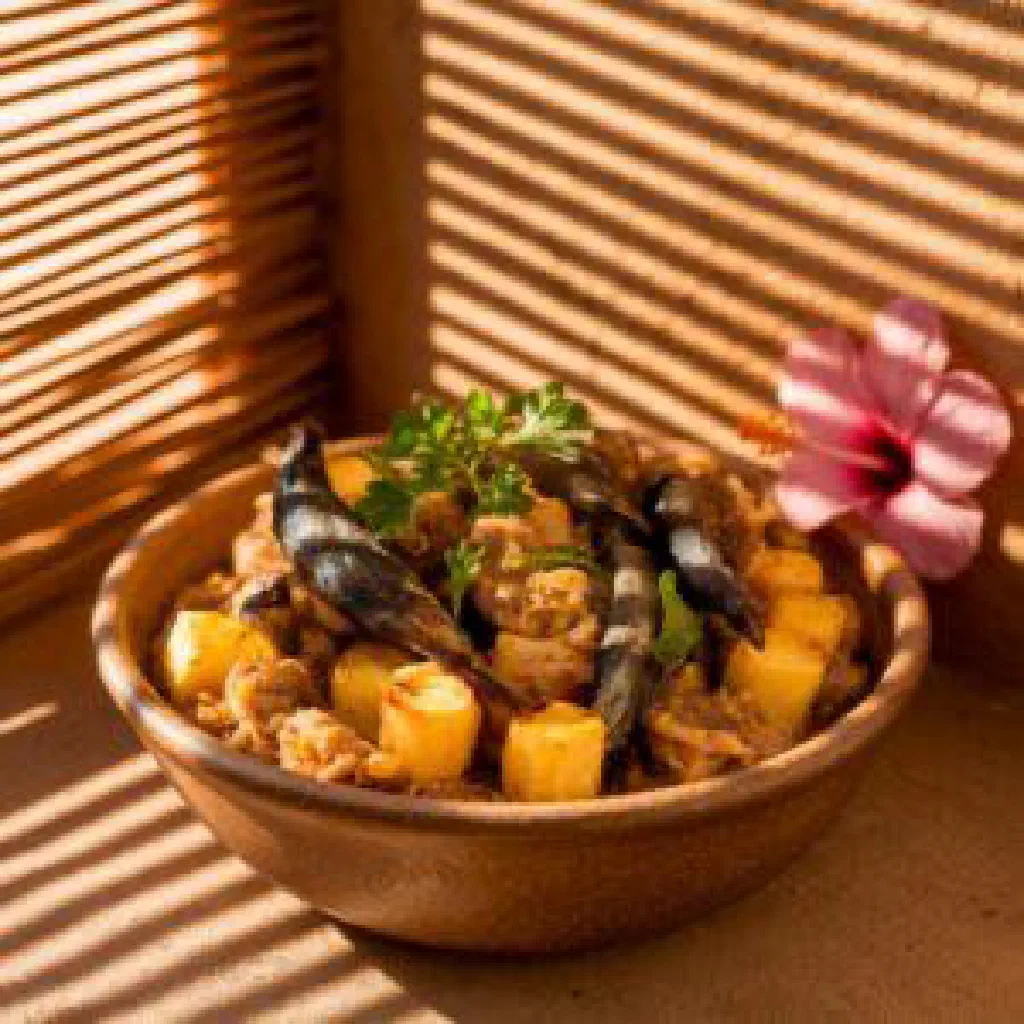
Meet Amonou, a comforting cassava dish from Benin that turns one humble root into a plateful of warmth. Soft, gently mashed cassava is crowned with a fragrant sauce of slowly fried onions, garlic and paprika, simple food, cooked with care, exactly the way it has been prepared in Beninese kitchens for generations. It asks for very little and gives back a great deal.
About Amonou
Amonou is a traditional dish from Benin that appeals to the palate while carrying real cultural weight. Its foundation is cassava, the starchy root that sits at the heart of so many West African kitchens. Preparing Amonou is treated as a craft, passed down from one generation to the next. It is usually served with a flavourful sauce that rounds out the taste and turns the plate into a genuinely hearty meal.
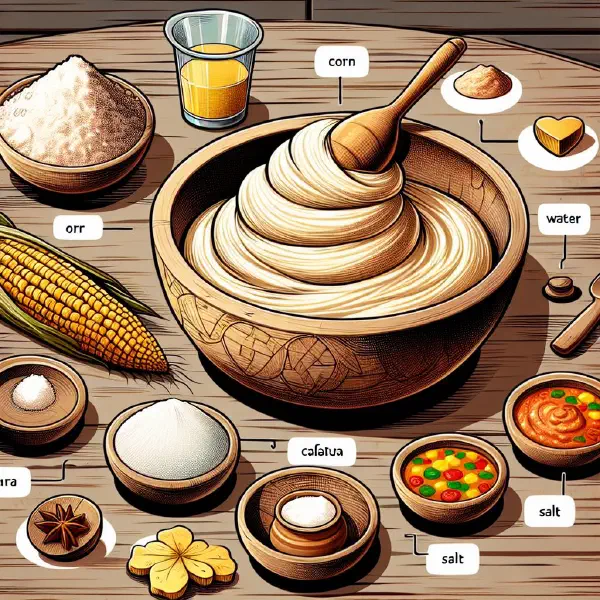
Ingredients (serves 1–2)
- 500 g cassava (manioc)
- 1 onion
- 2 cloves of garlic
- 1 teaspoon paprika
- 1 teaspoon salt
- 2 tablespoons oil (groundnut oil works well)
- Water, as needed
- Optional: vegetables of your choice (carrots, peppers)
Shopping for the ingredients
The ingredients for Amonou are easy to track down in most African or Asian grocery shops. Cassava is the essential one, sold either fresh or already processed. Spices and oil can come from a local market or an ordinary supermarket. If something proves difficult to find, ask the shopkeeper for a recommendation or look online. There is nearly always a workable alternative.
Preparing the dish
Before you start cooking Amonou, it pays to have everything properly prepared. The cassava should be peeled first and cut into small pieces, taking care to remove the woody core, which is not edible. Onions and garlic are finely chopped so they release their aromas readily. If you plan to add vegetables, cut those small too, so that everything cooks through at the same rate.
Step-by-step instructions
- Bring a large pan of water to the boil and add the prepared cassava pieces. Simmer for 20–30 minutes, until soft.
- While the cassava cooks, heat the oil in a frying pan and add the onions and garlic. Fry both until golden brown.
- Stir in the paprika and salt and let the mixture cook for a few minutes so the flavours mingle.
- Once the cassava is done, drain it and mash it with a fork until smooth.
- Serve the mashed cassava on a plate and spoon the onion and paprika sauce over the top.
Gluten-free / lactose-free version
Amonou is naturally gluten-free and lactose-free, since it is built around cassava, a starchy root most people tolerate without trouble. That makes it an ideal choice for anyone with those intolerances. Do check that the spices and oil you use contain no hidden gluten or dairy, though in practice almost everything listed in this recipe is free of both by nature.
Tips for vegans and vegetarians
This recipe is vegan as it stands, since it contains no animal products at all. It is still worth glancing at the labels on your spices and oil to be certain. You can also make the dish more nourishing by adding extra vegetables such as broccoli or cauliflower. Choose fresh, seasonal produce wherever possible. It makes a noticeable difference to the finished flavour.
More tips and tricks
To make Amonou even tastier, experiment with different spices. A little chilli brings welcome heat, while cumin adds depth and warmth. A dedicated peanut sauce or a fiery chilli sauce can also produce excellent combinations, the same principle behind a rich Sauce d’Arachide. Keep adjusting the mix until you land on the balance that suits you.
Adapting the recipe to your taste
Amonou is easy to tailor to personal preference. If you like nutty flavours, scatter chopped peanuts or cashews over the top as a garnish. For extra substance, tofu or tempeh will make the dish considerably higher in protein. Try different combinations to keep the recipe fresh and discover new flavours along the way.
Ingredient substitutions
If cassava is hard to come by, other starchy staples will stand in, potatoes or yams, for instance, much as they do in a plate of Yams. Bear in mind that the taste will shift slightly. The sauce is equally forgiving: use whichever vegetables are available to you.
Drink pairing ideas
Several drinks round out the Amonou experience nicely. A freshly brewed lemon and mint tea harmonises beautifully with the savoury notes of the dish. A fruity smoothie made with pineapple or mango is another refreshing companion, and so is a chilled glass of Bissap. For an alcoholic option, a light beer or a glass of wine sits comfortably alongside.
Serving and presentation ideas
Presentation matters if you want Amonou to look as appetising as it tastes. Serve it on a large, colourful plate and finish with fresh herbs such as coriander or parsley for colour and lift. A small bowl of the sauce set beside the main dish makes for an attractive arrangement. Grilled vegetables or a crisp side salad will enrich the plate visually as well as nutritionally.
A bit of history
Amonou has its roots in Beninese cuisine, a tradition shaped strongly by the region’s farming practices and cultural exchanges. The dish is one of many ways in which people in Benin celebrate the abundance of their harvests. Using cassava is not only practical but part of a tradition anchored deep in Beninese culture. Amonou therefore reflects an important strand of the country’s culinary identity, joining history to genuine enjoyment.
More recipe ideas
Summary: Amonou
Amonou is an excellent example of the rich and varied culture of Benin, a dish that is not only delicious but carries tradition and history in every mouthful. Its straightforward preparation and adaptable ingredients make it suitable for any occasion. Amonou is well worth trying. Let its aromas inspire you and enjoy a taste of Beninese cooking.