National Dish Benin: Bâton de Manioc (Recipe)

In this article
Meet Bâton de Manioc, a wonderfully simple treat from Benin that turns humble cassava into something quietly very good. These slender sticks are soft inside, gently golden outside, and mild enough to sit happily beside almost anything on the table. They work as a side dish, as a snack with a good dip, or as an easy introduction to West African cooking. Simple ingredients, very little fuss, and a real taste of Beninese hospitality.
About Bâton de Manioc
Bâton de Manioc is a genuine flavour experience from Benin that offers a window into West African cooking while thoroughly pleasing the palate. These delicious cassava sticks are a much-loved side dish and make an excellent snack besides. Their tender texture and mild taste make them remarkably versatile, and they open up an easy conversation about the country’s food traditions. Let them inspire you and explore the variety of Beninese cooking for yourself.
Ingredients (serves 1–2)
- 300 g cassava
- 1 teaspoon salt
- Water, for boiling
- Oil, for frying
Shopping for the ingredients
To make bâton de manioc you will need fresh cassava, which is available in most larger supermarkets and at local markets. Check that the roots show no dark patches or cracks, as these can point to poor quality. Salt and oil are basic store-cupboard items you almost certainly have at home already. If you are cooking for a large group, simply scale the quantities up accordingly.
Preparing the dish
Before you start on bâton de manioc, it is important to peel the cassava thoroughly and cut it into evenly sized pieces. This ensures it cooks through at the same rate. Wash the cassava well too, so that any dirt or residue is removed. The preparation is straightforward and takes only a few steps, making it ideal for beginners and seasoned cooks alike.
Step-by-step instructions
- Peel the cassava and cut it into pieces of equal size.
- Simmer the pieces in a pan of salted water for about 20 minutes, until soft.
- Let the cooked cassava cool, then blend it into a smooth dough.
- Shape the dough into sticks and fry them in hot oil until golden brown.
- Serve the bâton de manioc hot, with a dipping sauce if you like.
Gluten-free / lactose-free version
One of the great things about bâton de manioc is that the recipe is naturally gluten-free and lactose-free. That makes it an excellent choice for anyone with food intolerances or sensitivities. Just take care to pick gluten-free and lactose-free products for your oils and accompaniments too, so the dish stays suitable throughout. This flexibility means it fits comfortably into a wide range of diets.
Tips for vegans and vegetarians
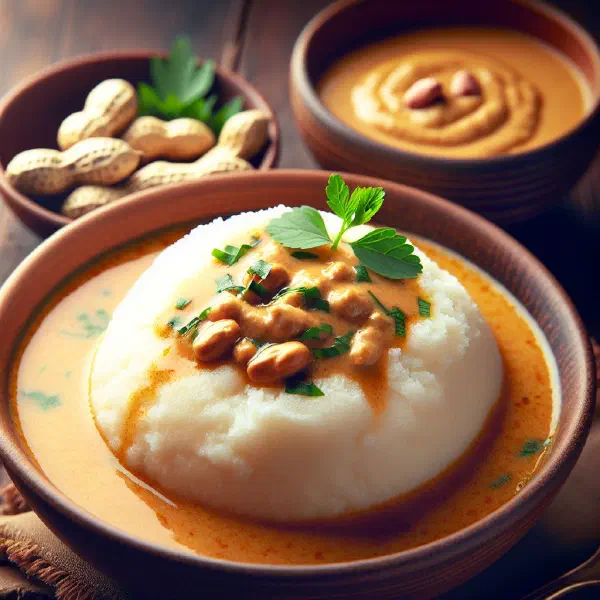
For vegans and vegetarians, bâton de manioc is a great option, since the main ingredients are entirely plant-based. The sticks can be served on their own or with a variety of vegan dips and sauces, a rich Sauce d’Arachide is a natural partner. To enrich the dish further, work vegetables such as peppers or courgette into the dough. Variations like these bring extra nutrients and colour to the plate.
More tips and tricks
To deepen the flavour of bâton de manioc, add herbs and spices while you are blending the cassava. A hint of garlic or ginger, for instance, gives the dish a distinctive lift. Lightly smoked paprika is worth trying too, for an extra twist of flavour. Remember to adjust the seasoning to your own taste until you find the balance that suits you best.
Adapting the recipe to your taste
The recipe offers plenty of scope for adaptation. You can change the consistency of the dough by adding more or less water to reach the texture you want. Some people prefer a crisper outside, while others like the sticks softer throughout. Experiment with different frying methods or temperatures to work exactly to your liking and discover which version you enjoy most.
Ingredient substitutions
If you cannot find fresh cassava, cassava flour makes a good alternative. It cuts the cooking time considerably, since the flour can be worked straight into the dough. Other root vegetables such as sweet potatoes can also stand in, taking the dish in a new direction, much as they do in a comforting bowl of Telibo. Substitutions like these help when the main ingredient is unavailable and keep your dish delicious all the same.
Drink pairing ideas
A range of drinks goes beautifully with bâton de manioc, bridging its sweet and savoury notes. A refreshing lime soda or a fruity smoothie makes a perfectly cooling accompaniment, and a chilled glass of Bissap is hard to beat. A lightly chilled white wine or a cold beer is an excellent choice too. Pairings like these can heighten the whole eating experience.
Serving and presentation ideas
Presentation plays an important part with bâton de manioc. Serve the sticks on a decorative plate alongside a colourful selection of dips. Fresh herbs or edible flowers add a handsome finishing touch to the dish. A carefully arranged plate can enrich the meal considerably and make a real impression on your guests.
A bit of history
Bâton de manioc has a long history in Benin and represents not only the country’s culinary traditions but its cultural roots as well. Cassava has been cultivated in Africa for centuries and is a staple that sustains the livelihoods of many. Preparing and sharing this dish is bound up with family and community, and it is often served at festive occasions. That tradition brings people together and remains central to Beninese cuisine.
More recipe ideas
Summary: Bâton de Manioc
In short, bâton de manioc is a delicious and versatile dish that is easy to prepare and carries deep cultural meaning at the same time. It is a perfect combination of flavour and texture, working equally well as a side dish or a snack. This dish is sure to be a hit in your kitchen. Explore West African cooking and enjoy a piece of Benin on your plate.