National Dish Benin: Djenkoumé (Recipe)
In this article
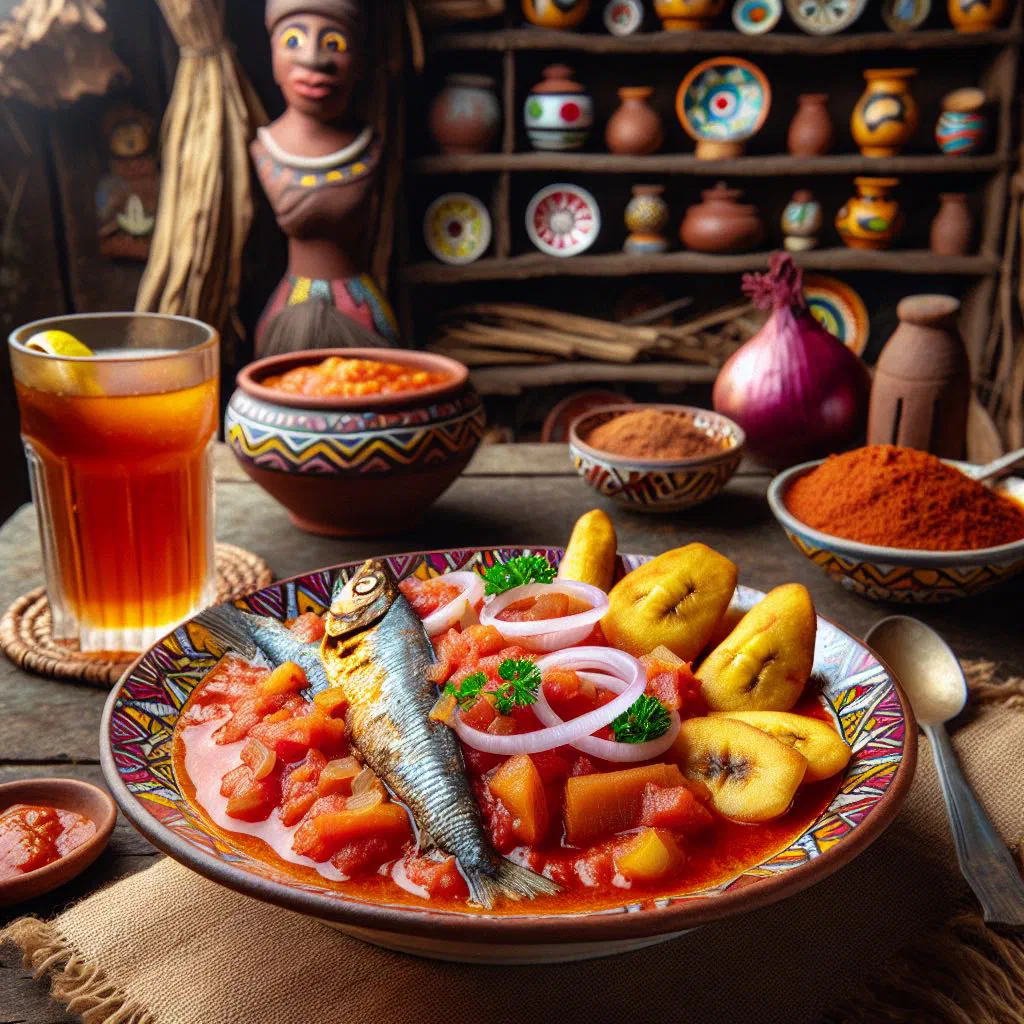
Meet Djenkoumé, one of Benin’s most comforting everyday dishes. Built from little more than cornmeal and water, it turns into a smooth, satisfying dough that soaks up whatever sauce or side you set beside it, spiced vegetables, tender fish or a piece of chicken. It is humble, filling food with real character, and it comes together in a single pot with no special equipment at all.
About Djenkoumé
Djenkoumé is a traditional dish from Benin, valued as much for its simplicity as for how nourishing it is. It consists mainly of cornmeal and water, and is usually served with a celebratory side of vegetables, fish or meat. The preparation is refreshingly straightforward, which is one reason it has become such a fixture of West African cooking. Djenkoumé brings together flavours and textures that win over everyone at the table, in much the same way that Akassa does.
Ingredients (serves 1–2)
- 200 g cornmeal
- 500 ml water
- 200 g vegetables (spinach or carrots, for example)
- 200 g fish or meat (chicken works well)
- Salt and pepper, to taste
Shopping for the ingredients
To make this dish well, it pays to choose good-quality ingredients. Visit a local market or an African or Asian grocery to find fresh vegetables and fish. The cornmeal should ideally be freshly milled, as that makes a noticeable difference to the flavour. Look for meat that is fresh and free from additives, the same care you would take when shopping for a Yassa Poulet.
Preparing the dish
Before you start cooking Djenkoumé, it helps to have everything ready to hand. Wash the vegetables, cut them into small pieces and prepare the fish or meat. Make sure you have enough water to hand for the cooking process too. Good preparation makes the whole thing far easier and keeps the cooking calm and unhurried.
Step-by-step instructions
- Bring the water to the boil in a large pan.
- Add the cornmeal slowly, stirring constantly to avoid lumps forming.
- Reduce the heat and let the mixture thicken, stirring all the while.
- Keep cooking until the djenkoumé is smooth and firm.
- In a separate pan, cook the vegetables together with the fish or meat.
- Serve the djenkoumé alongside the side dish and enjoy it hot.
Gluten-free / lactose-free version
The best thing about Djenkoumé is that it is naturally gluten-free, since it is based entirely on cornmeal. For anyone with lactose intolerance there is nothing to worry about either, as no dairy products are involved at any stage. That makes the dish an excellent choice for people with food intolerances, and you can enjoy it without a second thought.
Tips for vegans and vegetarians
For a vegan version, simply replace the fish or meat with extra vegetables. Beans, lentils or tofu are excellent sources of protein and give the meal real substance. Adjust the seasoning to suit a plant-based version too. Garlic and ginger will deepen the flavour considerably without any animal products at all.
More tips and tricks
To make the dish even tastier, try adding spices such as turmeric or paprika. These bring not only colour but plenty of extra flavour. Fresh herbs like coriander or parsley, scattered over just before serving, add a lovely finishing touch. Experiment with different spice combinations until you find a version that is entirely your own.
Adapting the recipe to your taste
Djenkoumé is an extremely flexible dish and easy to tailor to personal preference. If there are vegetables you do not care for, simply swap them for your favourites. The balance of fish and meat can vary too, depending on your taste and on what is available. Give your creativity free rein, the basic dough is a blank canvas, much like the one behind Pâte.
Ingredient substitutions
If you cannot get hold of cornmeal, millet flour is a fine alternative with very similar properties. For the accompaniment, other protein sources such as tempeh or quinoa bring welcome variety. Using seasonal ingredients will keep your Djenkoumé fresh and full of flavour year-round. Just take care to combine your substitutions sensibly so the result still works as a whole.
Drink pairing ideas
A light, refreshing drink suits Djenkoumé perfectly. Try ice-cold lemon water or a fruity iced tea to balance the flavours of the dish. A fresh fruit smoothie makes a lovely accompaniment as well, and a chilled glass of Bissap is the classic local choice. Avoid anything too sweet, as it will only mask the taste of the food.
Serving and presentation ideas
Thoughtful presentation can lift the whole eating experience. Serve Djenkoumé in an attractive bowl and garnish it with fresh herbs or vegetable sticks. A colourful side is good to eat and looks genuinely appetising. Use ingredients of contrasting colours to make the plate livelier and more inviting.
A bit of history
Djenkoumé has its origins in traditional West African cooking and reflects the culinary variety and cultural heritage of Benin. It is often prepared for special occasions, drawing the community together around one table. The use of cornmeal is deeply rooted in the region’s history and has proved itself over many generations. Djenkoumé is more than food; it stands for tradition, family and togetherness, qualities that run right through Benin cuisine.
More recipe ideas
Summary: Djenkoumé
Djenkoumé is a simple but delicious dish that brings the flavours and traditions of Benin straight into your kitchen. Its versatile preparation and the ease with which it can be adapted make it a genuinely forgiving recipe. Avoiding lactose or going fully plant-based, Djenkoumé adjusts without fuss to suit everyone. With a little creativity and the right ingredients, you can enjoy a real piece of West African culture at home.