National Dish Benin: Djèwo (Recipe)
In this article
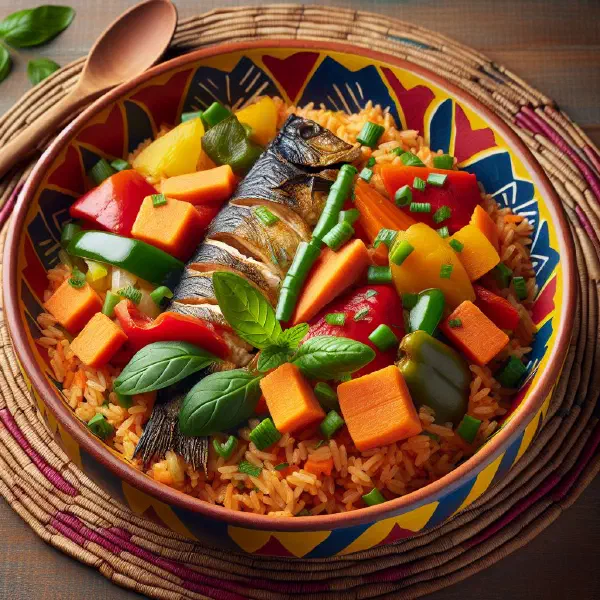
Meet Djèwo, the warm-hearted one-pot rice dish that sits at the centre of Beninese hospitality. Tender meat, sweet peppers and carrots simmer together with rice until every grain has taken on the aroma of garlic, ginger and paprika. It is the kind of food that gets carried to the table in one big bowl and shared, as at home on an ordinary Tuesday as it is at a family celebration.
About Djèwo
Djèwo is a traditional national dish from Benin and a fine reflection of the region’s culinary range. This hearty plateful is a pleasure to eat and a symbol of Beninese culture, which welcomes guests with open arms. The combination of tender meat, freshly prepared vegetables and fragrant rice makes Djèwo an indispensable part of any festive occasion. Whether at family gatherings or as an everyday lunch, Djèwo brings people together.
Ingredients (serves 1–2)
- 1 cup rice
- 200 g chicken or beef
- 1 onion, diced
- 1–2 carrots, cut into small pieces
- 1 pepper, diced
- 2 cloves of garlic, chopped
- Spices: salt, pepper, paprika powder, ginger
- 2 tablespoons vegetable oil
- Fresh herbs, to garnish
Shopping for the ingredients
When shopping for the ingredients for Djèwo, choose fresh, good-quality produce. Visit a local market for the vegetables and meat, as this improves the flavour of the finished dish considerably. Make a point of using local spices to bring out the authentic aroma and the tradition behind the recipe. A well-stocked kitchen with fresh ingredients is the first step towards a successful Djèwo, the same principle that underpins a good Kedjenou.
Preparing the dish
Preparing the dish involves a few steps that keep everything running smoothly. First, wash the rice thoroughly and leave it to soak so the grains stay light and separate. While the rice soaks, cut the meat and vegetables into small pieces to shorten the cooking time. This groundwork creates an excellent base for the delicious flavours that follow.
Step-by-step instructions
- Heat the vegetable oil in a large pan and add the onions. Fry until translucent.
- Add the meat and brown it on all sides.
- Add the garlic, carrots and pepper and fry everything together for about 5 minutes.
- Stir in the soaked rice and mix well.
- Pour in enough water to cover the rice, season with salt, pepper and the remaining spices, and leave to simmer over medium heat.
- After 20–30 minutes, once the water has been fully absorbed, the rice should be cooked. Serve hot.
Gluten-free / lactose-free version
Djèwo is naturally free from gluten and lactose, as long as you take care with the ingredients. Use gluten-free rice varieties and check that all spices and sauces are gluten-free too. The dish is an excellent choice for anyone with dietary restrictions, since it is nourishing and full of flavour without leaving out any important food groups. That way people with intolerances can enjoy the authentic taste of Djèwo as well.
Tips for vegans and vegetarians
If you are after a vegan or vegetarian version of Djèwo, simply replace the meat with plant-based proteins such as tofu or lentils. These ingredients soak up the spices beautifully. Add a wider range of vegetables for a colourful mix, broccoli or aubergine, for instance, to boost the nutritional value. Djèwo stays a delicious experience whether it is made with meat or entirely without animal products, much like a plate of Akara.
More tips and tricks
A few tips and tricks make Djèwo easier to get right. Remember to rinse the rice before cooking to remove excess starch, which helps the grains stay fluffy once cooked. A pressure cooker can cut the cooking time considerably. Experiment with different spice combinations to tune the dish to your own palate. That way you get a slightly different flavour experience every time.
Adapting the recipe to your taste
Djèwo is an extremely adaptable dish that can carry all sorts of flavours and ingredients. Feel free to add your favourite vegetables or spices to shape it around your personal taste. Whether that means more heat from chilli or extra freshness from herbs, the possibilities are endless. This flexibility shows how Djèwo can be interpreted differently in every household while keeping its roots intact.
Ingredient substitutions
If some ingredients are unavailable, there are plenty of alternatives to fall back on. Instead of chicken you might choose turkey, or even seitan for the vegan version. With spices you can experiment freely, grated nutmeg in place of ginger, for example, gives the dish a different character. Less common vegetables such as pumpkin or courgette can also be used to liven things up, and starchy sides like Yams make a good companion. Remember that the combination of ingredients is what decides the final result.
Drink pairing ideas
Several drinks go well with Djèwo and complement its aromas. Traditionally you might enjoy a local drink such as palm wine or a fruit juice to underline the fresh flavours; a chilled glass of Bissap is a classic choice. Lightly sparkling water or a natural lemonade also make a fine pairing. These drinks help refresh the palate and balance the flavours of the warm dish.
Serving and presentation ideas
The presentation of Djèwo plays an important role at the table. Serve the dish in a large bowl as part of a communal meal to encourage a sense of togetherness. Garnish the rice with fresh herbs or edible flowers for an eye-catching finish. It is worth choosing your crockery carefully too, as this builds anticipation and enriches the whole experience.
A bit of history
Djèwo has a history reaching far back into the traditions of the Beninese people. The dish is often prepared for festive occasions and celebrations, so it represents not just food but a culture of hospitality. Historically, Djèwo was handed down from generation to generation and became part of the social customs that bring families and neighbours together. That historical depth makes it more than a recipe. It is an expression of Beninese identity and one of the cornerstones of Beninese cuisine.
More recipe ideas
Summary: Djèwo
In short, Djèwo is a culinary highlight from Benin, rich in flavour and in cultural meaning. This dish brings people together and offers a taste experience all of its own. With the right preparation and a few adjustments to personal preference, anyone can enjoy Djèwo in their own kitchen. It is not merely a dish but an experience that celebrates the hospitality and heritage of Benin.