National Dish Benin: Gbègo (Recipe)
In this article
Meet Gbègo, one of Benin’s most cherished staples and a dish that sits at the very heart of the West African table. Made from little more than cassava and maize flour, it turns humble ingredients into a smooth, pillowy dough that soaks up sauces beautifully. Preparing it is as much a cultural ritual as a piece of cooking, and it brings people together around a shared bowl. Bring the aromas of Africa straight into your own kitchen.
About Gbègo
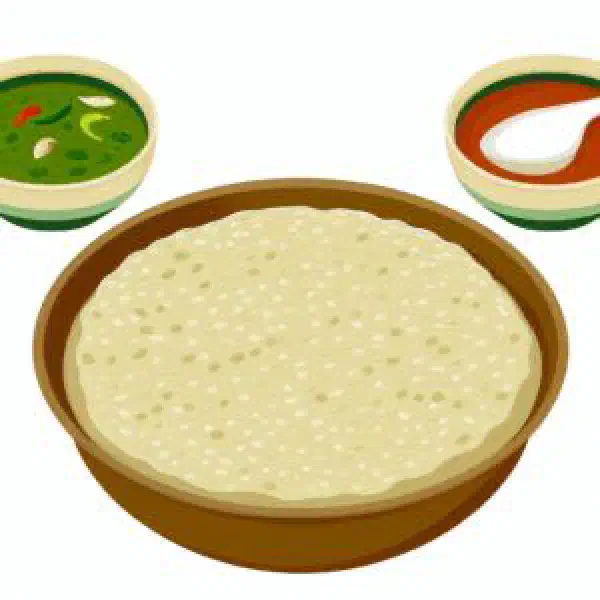
Gbègo, also known as fufu, is one of the best-loved national dishes of Benin. It is made from maize and cassava and is prized above all for its creamy, elastic texture. Preparing gbègo is not merely a culinary task but a cultural experience, one that has been shared across generations. The dish carries the flavours of Africa directly to your table and connects people through the simple pleasure of eating together, much like a warming bowl of Sauce Feuilles.
Ingredients (serves 1–2)
- 250 g cassava
- 250 g maize flour
- 1 pinch of salt
- Water, as needed
Shopping for the ingredients
The ingredients for gbègo are available in many supermarkets as well as in African and Asian grocery shops. The maize flour and the cassava in particular are often found in the international aisle. Look for fresh produce when you shop, as this makes all the difference to the finished flavour. Alternatively, visit a local market, where you will usually find the freshest roots and the best advice on choosing them.
Preparing the dish
Before you cook gbègo, it is important to get the ingredients ready properly. The cassava needs to be peeled and cut into smaller pieces so that it cooks through evenly. Have the maize flour measured out and to hand, ready to be worked into the purée later on. Good preparation makes for a smooth, unhurried cooking process and contributes a great deal to the final taste.
Step-by-step instructions
- Boil the cassava pieces in a pan of water until soft, roughly 20–30 minutes.
- Drain off the water and mash or purée the cassava until completely smooth.
- Add the maize flour and a pinch of salt, then mix everything together thoroughly.
- Knead the mixture until it is homogeneous and supple, adding a little water if needed.
- Shape into small balls or portions and serve with a spiced sauce or a hearty stew.
Gluten-free / lactose-free version
Gbègo is naturally gluten-free and lactose-free, provided the ingredients you use are free of both. Do check, however, that any accompanying sauces or side dishes are equally free from gluten and lactose if you are cooking an allergy-friendly version. That makes gbègo an excellent choice for anyone with particular dietary needs. Try it with a good vegetable stock or another flavourful broth to enrich the sauce.
Tips for vegans and vegetarians
For vegans and vegetarians, gbègo offers plenty of scope. The main ingredients are already vegan, so you can concentrate entirely on the sauces that go with it. Use plant-based additions such as vegetables or tofu to build depth of flavour. Just make sure no animal products have crept into the sauce, dried fish and stock cubes are the usual culprits, and the vegan version will be perfect.
More tips and tricks
A few simple touches can make your gbègo even tastier. Experiment with different spices or herbs to discover new directions of flavour. A garnish of fresh herbs also gives the dish an extra lift. Above all, make sure your ingredients are fresh and of good quality, since that is the real key to the best result, the same principle that carries a plate of Aloko.
Adapting the recipe to your taste
The gbègo recipe is extremely adaptable and easy to adjust to your personal preferences. Add more spices if you like things hotter, or experiment with different vegetables in the accompanying sauce. The consistency can be varied too, depending on whether you prefer a thicker or a softer texture. Make full use of the recipe’s flexibility to shape it exactly to your own liking.
Ingredient substitutions
If you are looking for alternatives to the classic gbègo recipe, you have plenty of options. Instead of cassava you can use yuca, which has a very similar flavour and behaves the same way in the pan. For a gluten-free diet, various starch alternatives such as potato starch or other flours are worth testing. These adjustments let you prepare gbègo to suit your own individual dietary needs.
Drink pairing ideas
To round off the gbègo experience, choose your drinks with care. A refreshing fruit juice or an unsweetened tea goes excellently with it, and a chilled glass of Bissap is a classic West African match. If you are in more sociable company, a traditional African beer harmonises well with the savoury notes of the dish. Look for drinks that complement the food rather than overpowering it.
Serving and presentation ideas
The way you present gbègo can improve the whole eating experience. Serve the dish on a colourful plate or in a bowl so the natural tones of the ingredients come through. Fresh vegetables or herbs used as a garnish are a pleasure to the eye. An attractive presentation makes the meal more enjoyable and celebrates the culture behind the dish.
A bit of history
Gbègo has a long history, closely bound up with the culture and traditions of the people of Benin. As a staple food it is often served at celebrations and on special occasions. The combination of maize and cassava reflects the region’s farming traditions and the crops that have sustained it for centuries. This speciality of Beninese cuisine is passed down from generation to generation and remains an important symbol of the country’s identity and heritage.
More recipe ideas
Summary: Gbègo
Gbègo is more than just a dish; it is a cultural experience and a living link to African tradition. The use of fresh maize and cassava produces a delicious, satisfying food that pairs wonderfully with all manner of sauces. The hands-on preparation and the many possible variations make it a genuinely rewarding thing to cook. Bring a piece of Africa into your kitchen with gbègo and discover the range of its flavours and traditions.