National Dish Benin: Gboma Dessi (Recipe)
In this article
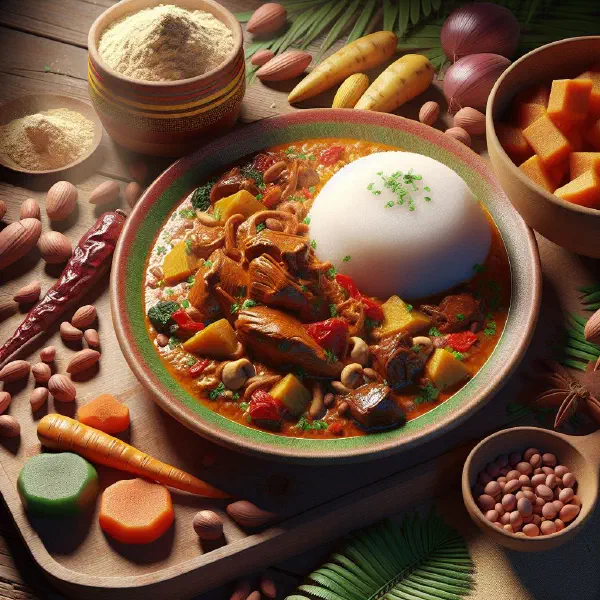
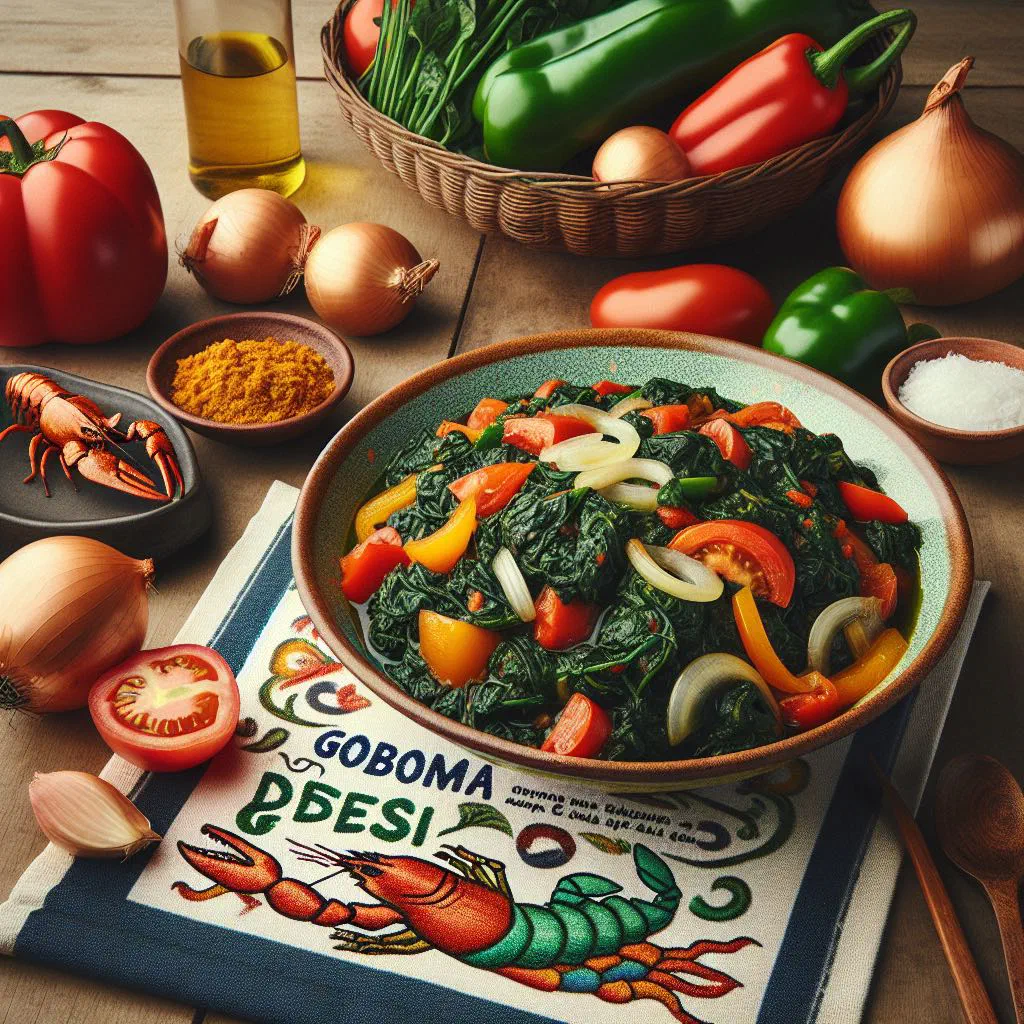
Discover Gboma Dessi, a warming West African stew that sits right at the heart of Benin’s home cooking. Fresh garden vegetables simmer gently with tender fish or meat until everything melts together into a rich, fragrant pot. It is the kind of dish that feeds a crowd without fuss, equally at home at a celebration or on a quiet evening with friends. One spoonful and you understand why it has been passed down through generations.
About Gboma Dessi
Gboma Dessi is a traditional dish from Benin that mirrors the country’s rich culinary history and culture. It is built from freshly harvested vegetables and tender fish or meat, and offers a striking depth of flavour. It is typically an excellent choice for sociable gatherings and celebrations, being both filling and nourishing. Enjoy Gboma Dessi as part of a festive meal, or simply on a relaxed evening with family and friends.
Ingredients (serves 1–2)
- 200g fresh fish or 150g meat (chicken or beef, for example)
- 1 large onion
- 2–3 tomatoes
- 1 medium aubergine
- 1 pepper
- 2 carrots
- 1–2 garlic cloves
- Spices (salt, pepper, chilli)
- 2–3 tablespoons vegetable oil
- Fresh coriander or parsley, to garnish
Shopping for the ingredients
When shopping for Gboma Dessi, freshness matters more than anything else. Visit a local market to pick up crisp vegetables and good-quality meat or fresh fish. Choosing regional and seasonal produce not only improves the eating experience, it also supports local growers. Make sure your spices are fresh too, so their aromas come through properly in the finished pot, the same principle that makes a simple Moyo Sauce sing.
Preparing the dish
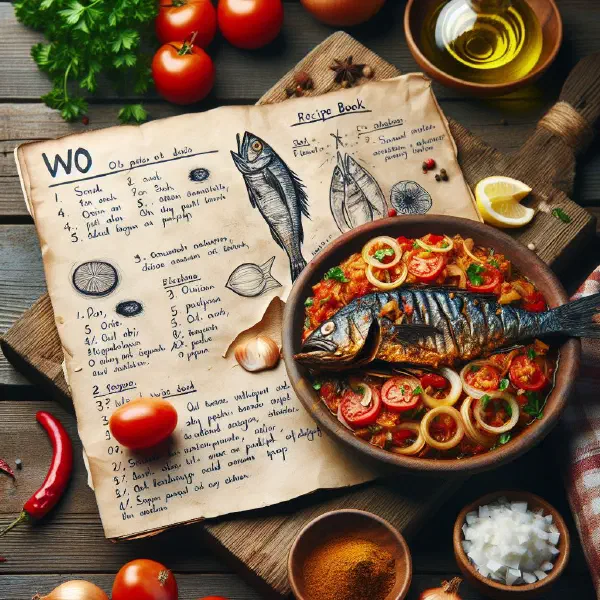
For Gboma Dessi, careful preparation pays off. Begin by washing the vegetables and cutting them into evenly sized pieces so they cook at the same rate. Onion and garlic should be finely chopped so their aroma spreads through the whole stew. Clean the fish or meat thoroughly and cut it into bite-sized pieces where needed.
Step-by-step instructions
- Heat the oil in a large pot and fry the onions and garlic until golden brown.
- Add the diced meat or fish and fry until lightly browned.
- Add the tomatoes and the remaining vegetables and stir everything well.
- Season to taste with salt, pepper and chilli, then let it simmer over low heat until the vegetables are tender.
- Serve Gboma Dessi hot, garnished with fresh coriander or parsley.
Gluten-free / lactose-free version
Gboma Dessi is naturally gluten-free and lactose-free, which makes it an ideal choice for anyone with particular dietary needs. Simply avoid gluten-containing thickeners or processed products while cooking. Fresh vegetables and good meat or fish keep the dish full-bodied and flavourful even in its gluten-free form, so every guest can dig in without a second thought.
Tips for vegans and vegetarians
For a vegan or vegetarian version of Gboma Dessi, swap the meat or fish for plant-based alternatives. Tofu or seitan give a solid protein base and soak up the spices beautifully. Use a good vegetable oil and add extra vegetables such as broccoli or green beans for additional texture and flavour. The result is a tasty, nutrient-rich pot that will win over vegetarian and vegan guests alike.
More tips and tricks
To make Gboma Dessi even better, experiment with different spices and herbs. Some cooks like to finish the pot with a squeeze of lime juice to sharpen the aromas. The texture can be varied through your choice of vegetables, so add whatever is in season. Let the stew rest for a few minutes before serving so the flavours have time to settle into harmony, a trick that works just as well for Sauce Feuilles.
Adapting the recipe to your taste
One of the great strengths of Gboma Dessi is how readily it adapts. Like it hotter? Add more chillies or a punchier spice mix. If you prefer a sweeter note, small amounts of carrot or sweet potato bring an interesting new direction. The quantities can be adjusted according to taste or availability, which keeps the dish both flexible and delicious.
Ingredient substitutions
If you are missing certain ingredients for Gboma Dessi, there are plenty of alternatives worth considering. Instead of fish, pulses such as chickpeas make an excellent source of protein. Vegetables like courgette or spinach add variety and make the dish more nutritious still. Play with different spices to create your own signature version.
Drink pairing ideas
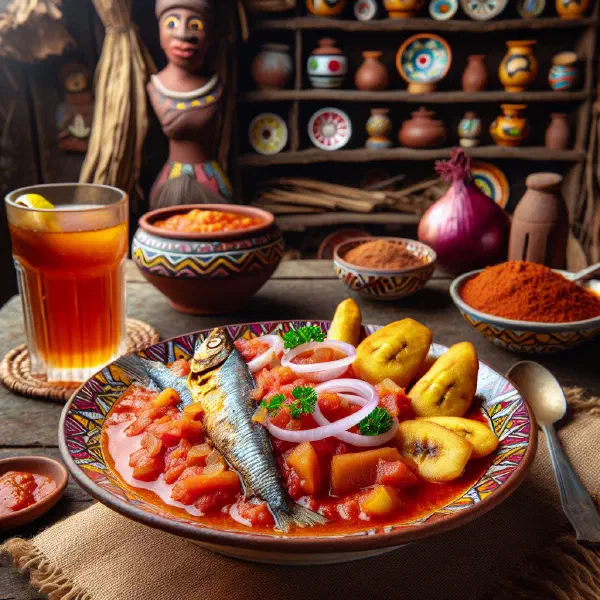
A hearty dish like Gboma Dessi goes well with a range of drinks. Something light and refreshing, a fruity lemonade, or a hibiscus infusion such as Bissap, complements the flavours nicely. A mild beer or a fresh fruit juice also make excellent companions. If you prefer wine, a dry white or red will underline the savoury notes of the stew.
Serving and presentation ideas
Presentation can make all the difference with Gboma Dessi. Serve it in a handsome bowl and garnish with fresh herbs to bring out both colour and aroma. A scattering of toasted nuts or seeds adds extra texture and flavour. A generous starch on the side, Fufu is the classic choice, and a well-laid table lift the whole experience.
A bit of history
Gboma Dessi has its roots in the traditional kitchens of Benin, shaped over time by a wide range of influences. Many of its ingredients and cooking methods have been handed down across generations, which makes the dish an authentic symbol of Beninese culture and a cornerstone of Benin cuisine. Historically it was often served at celebrations and festive occasions, underlining its role as a communal dish. Sharing a bowl of Gboma Dessi is more than a meal; it stands for community and hospitality.
More recipe ideas
Summary: Gboma Dessi
All told, Gboma Dessi is a delicious and versatile dish that shows off the flavours of Beninese cooking at their best. It is straightforward to prepare and suits a range of dietary needs, from vegan to gluten-free. It is a nourishing meal and a symbol of tradition, culture and hospitality. Enjoy its wonderful depth of flavour and share this fine dish with family and friends.