National Dish Benin: Gboman Sauce (Recipe)
In this article
Discover Gboman Sauce, the national dish of Benin and a wonderful introduction to West African cooking. Built around creamy roasted peanuts and a warm handful of spices, this savoury sauce turns a simple plate of rice or vegetables into something memorable. It is forgiving enough for a complete beginner, generous enough for a table full of guests, and every bit as good the next day.
About Gboman Sauce
Gboman Sauce is a traditional national dish from Benin, known for its distinctive marriage of peanuts and a varied blend of spices. This hearty sauce is most often served alongside rice, meat or vegetables, lending every meal an unmistakable character. Its aromas are an excellent way to bring the taste of West Africa into your own kitchen. The sauce comes together easily and is certain to please everyone at the table.
Ingredients (serves 1–2)
- 200 g peanuts (roasted and unsalted)
- 1 onion
- 2–3 garlic cloves
- 1–2 teaspoons red paprika powder
- 1–2 teaspoons olive oil
- Salt and pepper to taste
- Water as needed
Shopping for the ingredients
To make Gboman Sauce you will need a handful of ingredients that are available in most supermarkets or African and Asian grocery shops. Make sure to use roasted, unsalted peanuts, since they form the entire base of the sauce. The spices are just as decisive for the flavour, so it pays to choose good-quality products. Fresh onions and garlic are essential for building depth and should also be bought fresh rather than from a jar.
Preparing the dish
Before you start cooking, gather everything you need on the worktop. First the peanuts must be worked in a blender until they form a fine paste. The onions and garlic should be chopped as well, as they provide the aromatic foundation of the sauce. You can also set aside any extra spices at this stage so you can adjust the seasoning to your own taste as you go.
Step-by-step instructions
- Blitz the peanuts in a blender until they turn into a creamy paste.
- Sauté the onion and garlic in a pan with olive oil until translucent.
- Add the peanut paste and stir thoroughly to combine.
- Pour in water a little at a time until you reach the consistency you want.
- Season with salt, pepper and paprika powder, then bring briefly to the boil.
Gluten-free / lactose-free version
Gboman Sauce is naturally gluten-free and lactose-free, as it contains no dairy and no gluten-bearing ingredients. Do take care to choose gluten-free side dishes too if you are sensitive to gluten. Rice or simple vegetable sides are excellent partners you can enjoy without a second thought, much as they are with the lighter Sauce Claire. The dish therefore stays flavourful and easy to tolerate for everyone.
Tips for vegans and vegetarians
Gboman Sauce is ideal for vegans and vegetarians, since it is built entirely on plant-based ingredients. Every component is purely plant-derived, making it a fine alternative to richer, meat-based sauces. To add extra texture and nutrition, combine it with a range of vegetables or with pulses. Just make sure the accompaniments are vegan as well so the whole meal lines up with your dietary preferences.
More tips and tricks
There are a few tips worth knowing when you make Gboman Sauce. Experiment with different spices to shape the flavour to your liking, and use fresh herbs to add another aromatic layer. Adjust the seasoning gradually rather than all at once, tasting as you go. A squeeze of lemon or lime at the end also gives the sauce a lovely fresh lift.
Adapting the recipe to your taste
One of the great strengths of Gboman Sauce is how adaptable it is. You can vary the ingredients according to personal taste and what you have to hand. If you like things hotter, stir in chopped chillies; for a sweeter note, work in a little honey or sugar. In this way the dish can be tuned to every palate without losing its basic structure or its authentic character.
Ingredient substitutions
If you do not have every ingredient for Gboman Sauce in the cupboard, there are useful alternatives. Instead of peanuts you can use almond or cashew butter, which delivers a similar creamy result, the same trick works well in a Peanut Sauce. For the spices, other chilli powders can stand in depending on how much heat you want. That flexibility means you can still conjure up a delicious sauce whatever your shelves hold.
Drink pairing ideas
To accompany the flavours of Gboman Sauce, choose drinks that complement rather than compete with the meal. A chilled lager or a refreshing lemonade works beautifully, as does the hibiscus-based Bissap. If you prefer wine, a fruity white or a rosé makes a good match. Water with a few slices of citrus is another simple way to balance the richness.
Serving and presentation ideas
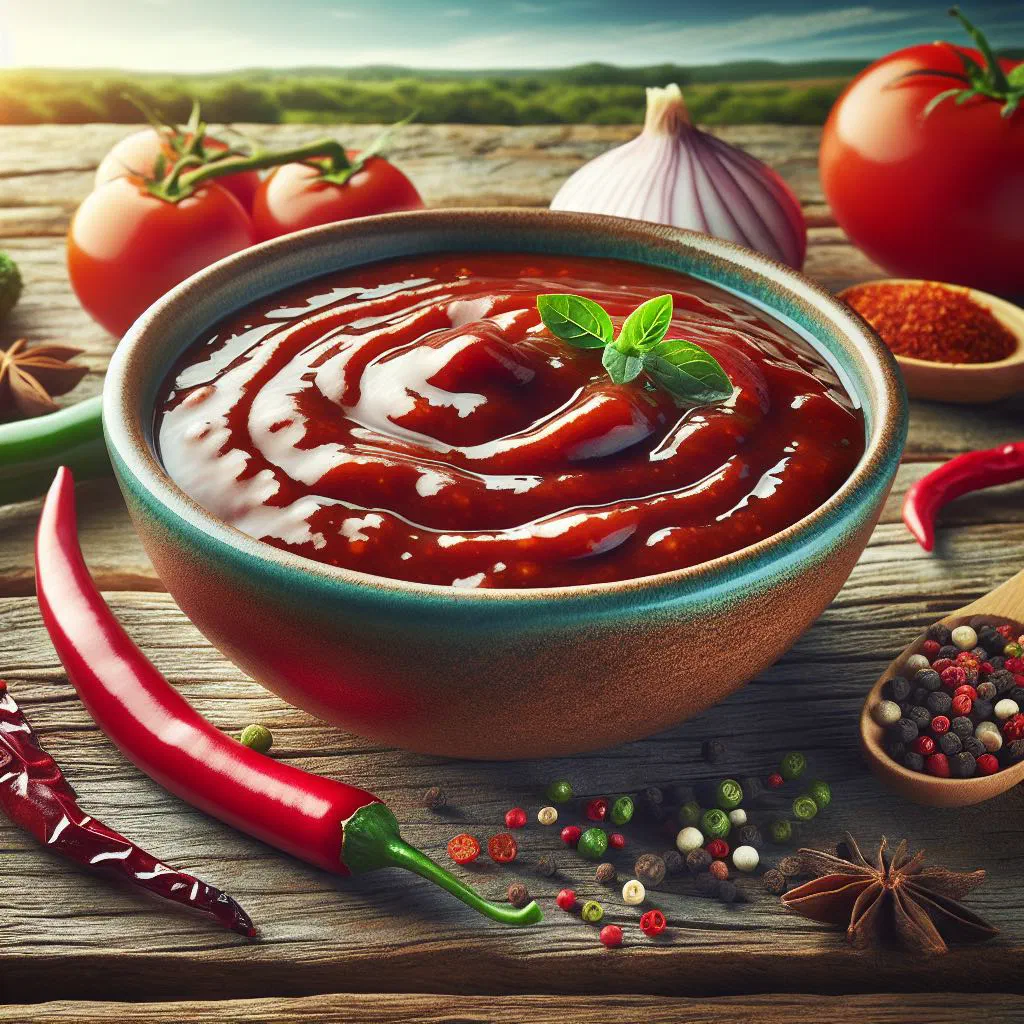
Presentation plays a real part in the pleasure of eating. Serve Gboman Sauce in an attractive bowl and garnish it with fresh herbs or a scattering of roasted peanuts. Arrange the sauce with colourful vegetables and rice on a large platter to bring out the contrast of colours and textures. A thoughtful presentation turns the meal into an occasion and never fails to impress guests.
A bit of history
Gboman Sauce has its roots in Beninese cuisine, which is celebrated for its rich flavours and varied ingredients. The use of peanuts in cooking is a long-standing tradition here, practised for centuries and echoed in dishes such as Gboman. The sauce is often served at family gatherings and festivals as a way of celebrating community. The craft of making it is part of Benin’s cultural heritage and is passed down from one generation to the next.
More recipe ideas
Summary: Gboman Sauce
Gboman Sauce is a delicious and versatile national dish from Benin that brings a unique note to your kitchen. With straightforward ingredients and an easy method, you can bring a piece of West Africa into your home. The sauce adapts wonderfully to different dietary needs and suits a wide variety of dishes, from plain rice to grilled vegetables. Let it inspire you and enjoy the flavours of Beninese cooking.