National Dish Benin: Kpanman (Recipe)
In this article
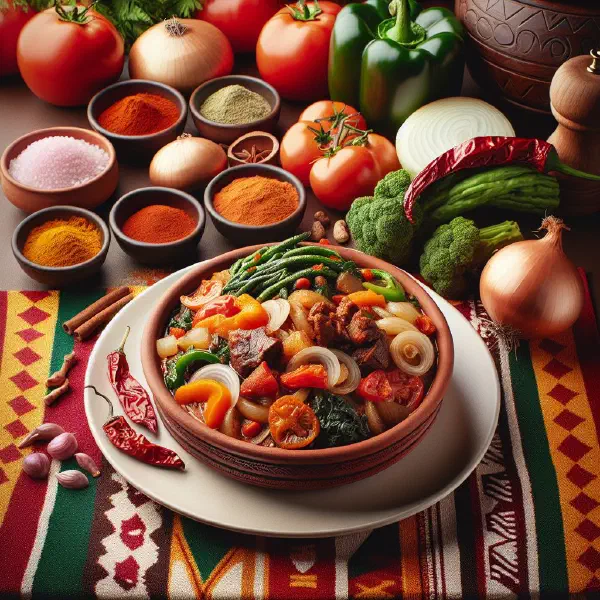
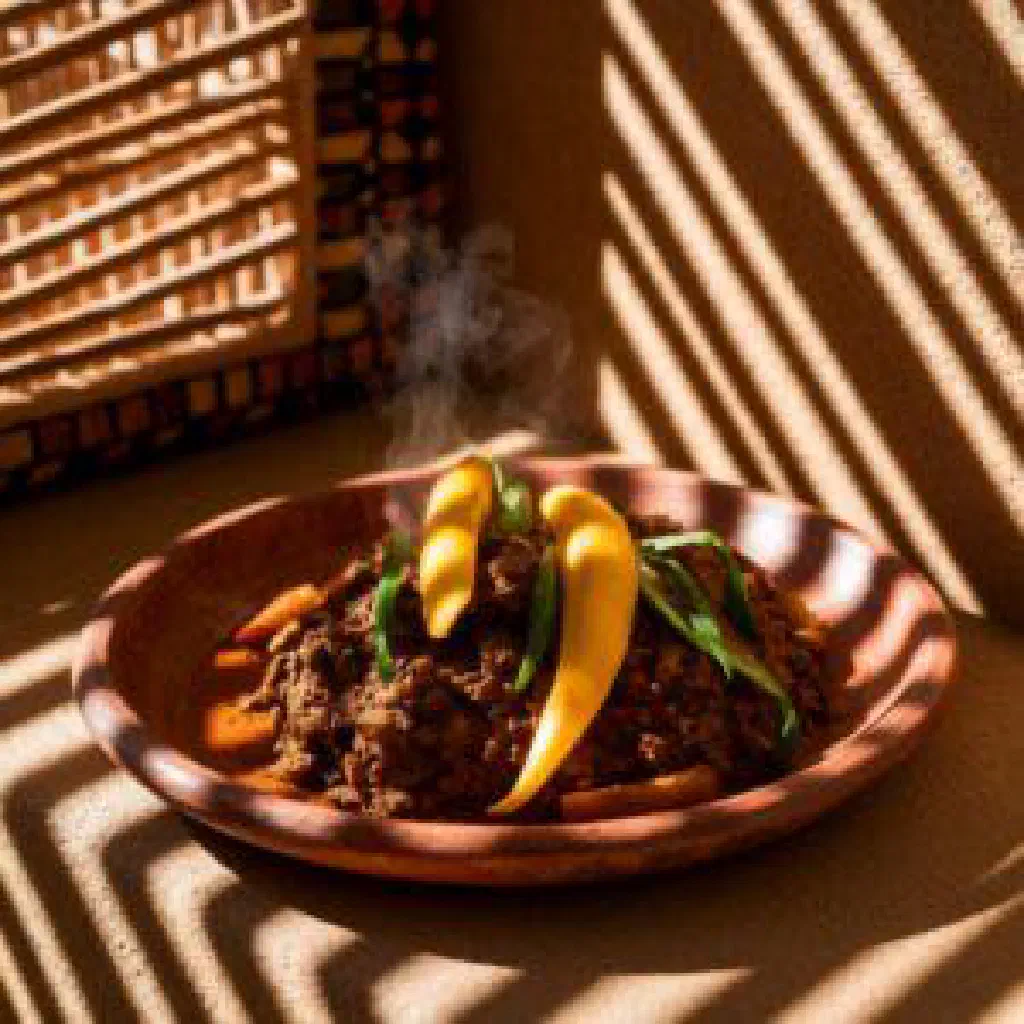
Meet Kpanman, a warming West African stew that turns a handful of everyday ingredients into something memorable. Tender pieces of meat simmer gently with leafy greens, chilli and a fragrant blend of spices until everything melds into one rich, savoury pot. In Benin it is the sort of dish that appears whenever there is a reason to gather, a birthday, a homecoming, or simply a Sunday with the whole family around the table.
About Kpanman
Kpanman is a traditional dish from Benin, celebrated for its hearty aromas and its generous use of spices. It brings together tender pieces of meat and fresh vegetables in a way that will pleasure anyone who loves African cooking. What makes Kpanman special is its spice blend, which carries the flavour and brings genuine health benefits. It is a dish often served at family celebrations and festive occasions, where it does its best work bringing friends and family together.
Ingredients (serves 1–2)
- 300 g tender meat (beef or chicken, for example)
- 1 large onion
- 2–3 garlic cloves
- 1–2 chillies (to taste)
- 1 carrot
- 250 g leafy greens (spinach, for example)
- 2 tablespoons groundnut oil
- 1 teaspoon paprika
- 1 teaspoon ground cumin
- Salt and pepper to taste
- Water, as needed
Shopping for the ingredients
To make Kpanman you need a modest selection of ingredients, all of which are easy to find at a weekly market or in a well-stocked supermarket. When buying your meat, look for high-quality, fresh produce to guarantee the best possible flavour. The vegetables should be crisp and fresh too, since this improves both the nutritional value and the aromas of the finished dish. If you do not keep spices such as cumin or paprika at home, most grocery shops will stock them, and an African food shop is an excellent place to look, much as you would when sourcing the ingredients for Mafe.
Preparing the dish
Before you start cooking, take the time to prepare everything thoroughly. The meat needs to be cut into small cubes so it cooks through evenly. Dice the onion and garlic finely, and slice the chillies into rings if you like. It is also worth washing the vegetables and chopping them down where necessary, so that they cook at the same rate as everything else in the pot.
Step-by-step instructions
- Heat the groundnut oil in a large pot over a medium heat.
- Add the onion and garlic and fry until golden brown.
- Add the meat to the pot and brown it well on all sides.
- Stir in the spices (paprika, cumin) and the chillies and mix everything together thoroughly.
- Pour in a little water as needed, so the dish does not catch and takes on a silky consistency.
- After around 15 minutes of cooking, add the vegetables and let everything simmer for a further 10 minutes.
- Season with salt and pepper to taste and serve the Kpanman hot.
Gluten-free / lactose-free version
Kpanman is naturally free of both gluten and lactose, which makes it an ideal choice for anyone with an intolerance. Do check the labels when buying spices and oils, as hidden sources of gluten or lactose occasionally turn up in blended products. If you would rather be completely certain, grind and mix your own spice blend at home. Either way, you can enjoy this dish without a second thought.
Tips for vegans and vegetarians
For a vegan or vegetarian Kpanman, simply swap the meat for tofu, seitan or pulses. These deliver both a wonderful flavour and the protein you would otherwise get from the meat. Adjust the spices and vegetables as needed so the dish keeps its full character, a little extra chilli often helps once the meat is gone. The groundnut oil can be replaced with any plant oil you prefer.
More tips and tricks
The secret to a great Kpanman lies as much in the cooking as in the ingredients. Give the pot enough time to simmer gently so the flavours have a chance to develop properly. Fresh herbs such as coriander or thyme lend the dish an extra layer of aroma. Experiment with different vegetables to add a personal touch and broaden the range of nutrients, the same open-minded approach that makes Gboman Sauce so rewarding to cook.
Adapting the recipe to your taste
There are countless ways to tailor Kpanman to your own preferences. Prefer it hotter? Simply add more chillies or a spoonful of hot sauce. If you like a creamier result, grind a handful of groundnuts and stir them through for a richer finish. Adding your own spices or more experimental ingredients is very much encouraged. That is how you arrive at a version of Kpanman that is genuinely yours.
Ingredient substitutions
If some of the traditional ingredients for Kpanman prove hard to find, there are alternatives that deliver a similar effect. Kale or courgette both work well in place of the leafy greens, for instance. Groundnut oil can be swapped for sesame oil if you want to take the flavour in a different direction.
Drink pairing ideas
A number of drinks suit Kpanman and complement its aromas nicely. A chilled white wine or a fruity cocktail makes for a refreshing partner. For non-alcoholic options, a ginger tea or a fruity lemonade harmonises well, as does a glass of the hibiscus infusion Bissap. Choose something that underlines the flavours on the plate and the meal becomes a proper occasion.
Serving and presentation ideas
Presentation can lift the pleasure of Kpanman considerably. Use colourful plates or bowls to bring out the lively tones of the stew. Scatter fresh herbs or toasted nuts over the top for a decorative touch. The possibilities are endless, and an attractive presentation will certainly impress your guests.
A bit of history
Kpanman has its roots in the culture of Benin and is not merely a dish but a symbol of the country’s traditions and customs. The combination of different spices and ingredients reflects the variety and richness of West African cooking. Many families keep their own version of the recipe, passed down from one generation to the next. Cooking and eating Kpanman is therefore part of a cultural heritage that remains firmly anchored in the community, much like the rest of Beninese cuisine.
More recipe ideas
Summary: Kpanman
Kpanman is a flavourful, traditional dish from Benin that wins people over with its deep aromas and its use of fresh ingredients. The method is flexible enough to let you shape the dish around your own preferences. Avoiding gluten or lactose, or simply in the mood to experiment, Kpanman has something to offer. Enjoy it, and let the rich culture and traditions of Benin inspire your cooking.