National Dish Benin: Noukouin (Recipe)
In this article
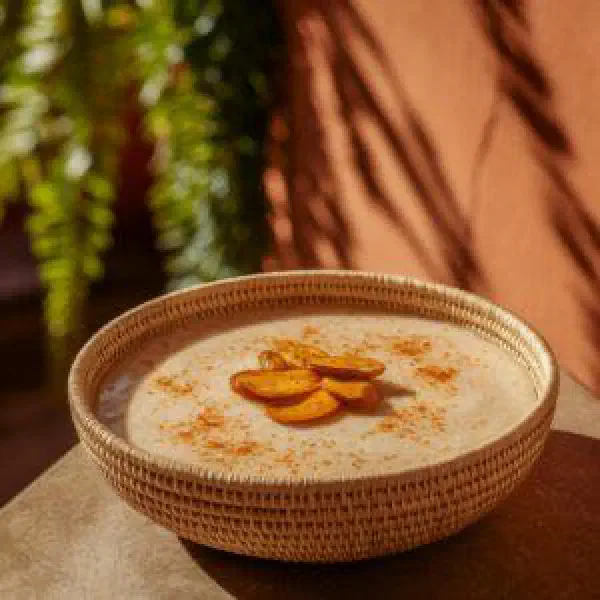
Meet Noukouin, a warming maize porridge from Benin that turns two humble ingredients, maize flour and palm oil, into something genuinely comforting. Slowly stirred until thick and glossy, it carries the deep, earthy character that runs through so much West African home cooking. Simple to make, endlessly adaptable and naturally free from gluten and dairy, it is a dish that rewards patience at the stove.
About Noukouin
Noukouin is a traditional dish from Benin made from maize flour and palm kernel oil. It is nourishing as well as flavourful, and a fine example of the varied aromas and cooking techniques found in West African cuisine. The pairing of maize flour and palm oil gives the dish an uniquely creamy texture that works equally well as a side dish or as a main course. Cooking Noukouin is a straightforward way to bring the culinary traditions of Benin into your own kitchen.
Ingredients (serves 1–2)
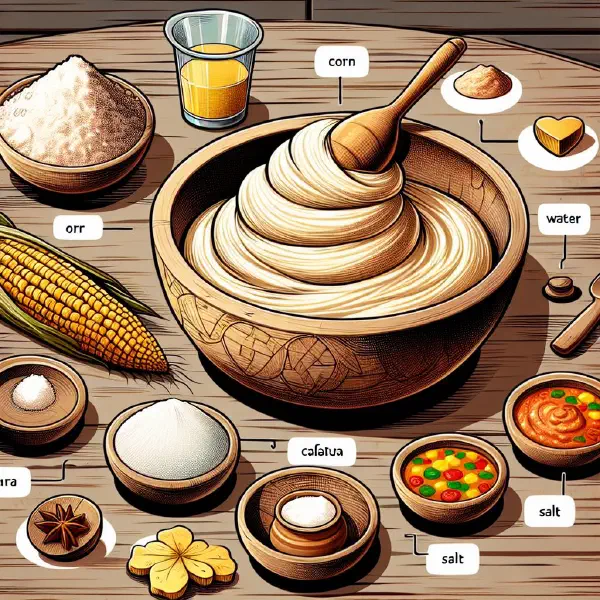
- 200 g maize flour
- 150 ml palm oil
- 500 ml water
- 1 teaspoon salt
- Spices of your choice (chilli, garlic and so on)
Shopping for the ingredients
To make Noukouin, it is worth buying your ingredients at a local market or an African or Asian grocery, where you will find good-quality maize flour and palm oil. With palm oil, look for a sustainably produced product to protect the environment. Salt and spices have a considerable influence on the final flavour, so choose high-quality versions of those too. Local markets often stock fresher, more aromatic spices that give the dish its finishing touch.
Preparing the dish
Before you start cooking Noukouin, it is important to have all your ingredients to hand. Measure out the maize flour, water, palm oil and salt precisely to achieve the perfect consistency. If you plan to use additional spices, think ahead about which flavours you want to bring forward. Well-considered preparation makes the whole cooking process more efficient and far more enjoyable.
Step-by-step instructions
- Bring the water to the boil in a large pan and add the salt.
- Slowly sprinkle in the maize flour, stirring constantly to avoid lumps.
- Reduce the heat and cook the mixture for about 10–15 minutes, stirring all the while, until it thickens and turns creamy.
- Add the palm oil and mix in thoroughly until everything is well combined. Continue cooking until you reach the consistency you want.
- Season with spices to taste and serve warm.
Gluten-free / lactose-free version
Noukouin is naturally gluten-free and lactose-free, since it consists of nothing more than maize flour and palm oil. That makes it an excellent choice for anyone with a gluten intolerance or lactose intolerance. You can be confident the dish meets your requirements without any compromise on flavour or texture, much like the equally forgiving Akassa. A nourishing meal that suits everyone, whatever their dietary needs.
Tips for vegans and vegetarians
As a vegan and vegetarian dish, Noukouin is a great everyday staple for anyone avoiding animal products. The palm oil supplies useful fats, while the maize flour provides carbohydrates and fibre. Choose fresh, organic ingredients to get the most nutritional benefit. You can also stir in vegetables or pulses to enrich the dish and add extra flavour and substance.
More tips and tricks
Cooking Noukouin becomes much easier with a few simple tricks. Use a non-stick pan or a heavy-based pot to stop the maize mixture catching and sticking. If the porridge turns out too thick, add a little more water or palm oil to loosen the consistency. Experiment with different spices to shape the dish around your own palate, personal taste is the real key to getting it right.
Adapting the recipe to your taste
Noukouin adapts beautifully to different preferences. If you like heat, add more chilli or other fiery spices. For a sweeter version, stir in a little honey or sugar. Playing with different herbs can also change the character of the dish considerably, in the same spirit as the freely varied Djenkoume.
Ingredient substitutions
If you struggle to find particular ingredients, there are plenty of alternatives. Instead of palm oil you can use olive oil or coconut oil, though this will change the flavour of the finished dish. If maize flour is unavailable, rice flour is a workable option, even if the texture shifts a little. Try different oils and flours until you land on your perfect combination.
Drink pairing ideas
Several drinks suit Noukouin and complement its flavours. A classic Beninese option such as Bissap, a chilled hibiscus infusion, is an excellent match. Light fruit juices or simply sparkling water also work well, balancing any heat in the seasoning. Often the simplest drink makes the best companion to a satisfying meal.
Serving and presentation ideas
Presentation can make all the difference to the Noukouin experience. Serve the dish on a large platter and decorate it with fresh herbs or mixed vegetables. Small bowls of extra spices or sauces alongside let your guests season each portion to their own liking. An appealing spread noticeably heightens the anticipation before the first mouthful.
A bit of history
Noukouin has a long history in Benin and forms part of a culinary tradition passed down from generation to generation. The dish reflects the use of locally available ingredients and is proof of the inventiveness of Beninese cuisine. Many families keep their own variations of Noukouin, developed over the years and adjusted to particular tastes. That cultural depth makes it not only a delicious dish but a piece of Benin’s heritage.
More recipe ideas
Summary: Noukouin
Noukouin is a delicious traditional dish from Benin that gathers the flavours of West African cooking into one simple yet satisfying recipe. The combination of maize flour, palm oil and a handful of spices creates a distinctive texture and an unmistakable taste. Noukouin enriches any meal and brings a piece of Beninese tradition into your kitchen. Give it a try and let the variety of Benin’s cooking inspire you.