National Dish Benin: Pâte Déma (Recipe)
In this article
Meet Pâte Déma, the soft maize porridge that anchors the everyday table in Benin. Smooth, warm and quietly satisfying, it is ladled out beside a fragrant sauce of fresh vegetables and fish or meat, so that every spoonful carries a little heat and a little sweetness. It is honest West African cooking at its finest, simple staples turned into something generous, and a dish that says more about Beninese hospitality than any menu ever could.
About Pâte Déma
Pâte Déma is a traditional Beninese dish, a much-loved take on maize porridge that is prepared a little differently in every region of the country. It is most often served with a spicy sauce built from fresh vegetables, fish or meat. The pairing of the creamy porridge with that deeply savoury sauce brings the varied flavours of West Africa onto the plate. The dish is not only nourishing but a lovely expression of the hospitality that runs through Beninese culture, much like the gentler, steamed Ablo.
Ingredients (serves 1–2)
- 200 g maize meal
- 500 ml water
- 1 teaspoon salt
- 200 g vegetables (carrots, onions, peppers)
- 150 g fish or meat, as you prefer
- 2 tablespoons vegetable oil
- Spices to taste (pepper, chilli)
Shopping for the ingredients
When shopping for Pâte Déma it is worth paying attention to the quality of what goes into the pot. Fresh vegetables and good fish or meat are best found at a local market. Choose regional vegetables wherever you can. They make the dish that much more authentic. Although most of these ingredients are stocked by any well-supplied supermarket, buying from local traders and cooking with fresh, seasonal produce is the more sustainable route.
Preparing the dish
Good preparation is the decisive step in getting Pâte Déma right. Wash, peel and cut all the ingredients into evenly sized pieces first. Dice the vegetables small so they cook through at the same rate. If you are using fish, take care to trim or fillet it properly; with meat, keep the pieces modest in size so they cook quickly and stay tender.
Step-by-step instructions
- Bring the water to the boil in a large pan and add the salt.
- Sprinkle in the maize meal slowly, stirring thoroughly to avoid lumps.
- Cook over a medium heat for 15–20 minutes, until thick and creamy.
- Meanwhile, heat the oil in a second pan and fry the vegetables until soft.
- Add the fish or meat, cook through and season to taste.
- Turn the hot Pâte Déma out onto a plate and spoon the sauce over the top.
Gluten-free / lactose-free version
Pâte Déma is naturally gluten-free, since maize meal contains no gluten at all. Do still make careful choices with the rest of the ingredients, particularly spice blends and stocks, which can sometimes hide gluten. For a lactose-free version, stick to plant-based oils and stocks. Check any pre-prepared vegetables too, so that no unexpected dairy slips in.
Tips for vegans and vegetarians
Pâte Déma is easy to prepare vegan and vegetarian. Simply swap the fish or meat for plant-based proteins such as beans or chickpeas, the same approach that makes Akara such a satisfying meat-free plate. The vegetables carry the dish, so use whatever mix you like best to keep things interesting. Adjust the spicing to your own taste here as well.
More tips and tricks
To deepen the flavour of Pâte Déma, add a few local spices typical of Beninese cooking. Crushed peanuts work beautifully, as does fresh coriander for a lift of freshness. Keep an eye on the consistency of the porridge as it cooks. It should be soft but never runny, which is what gives it that appealing texture. Play with the heat under the pan, too, until it suits your palate.
Adapting the recipe to your taste
The beauty of Pâte Déma is that it bends easily to your own preferences. Like it hotter? Add more chilli or another fiery spice.
Ingredient substitutions
If certain ingredients are not to hand, there are plenty of alternatives. Where maize meal is hard to find, rice flour or buckwheat flour will do the job, although the flavour and texture shift a little. For the sauce, soya can stand in for fish and still deliver a similar depth of flavour. A rich Groundnut Sauce makes another fine partner. Look to seasonal options for the vegetables to keep things varied.
Drink pairing ideas
When choosing drinks to go with Pâte Déma, look for flavours that balance the heat and echo the fresh notes of the sauce. Refreshing options such as ginger beer or a homemade mint lemonade work wonderfully; the spiced Gnamankoudji is a classic local choice. Fruity juices like pineapple or mango are equally harmonious. If you prefer something alcoholic, a wheat beer or a light white wine is a safe bet.
Serving and presentation ideas
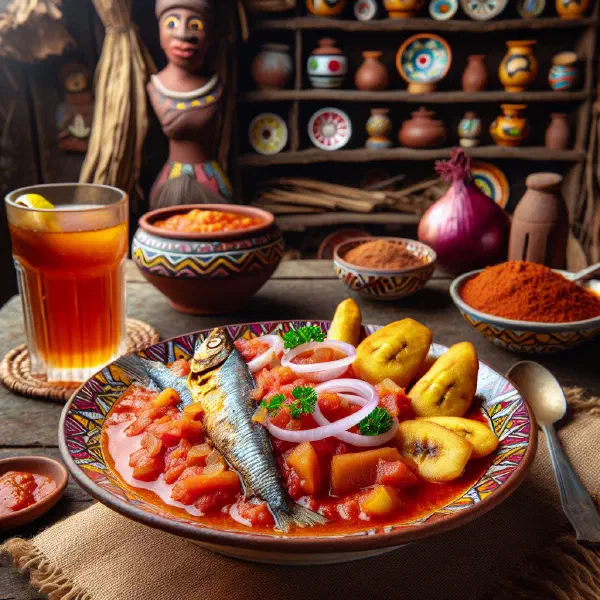
The presentation of your Pâte Déma can lift the whole experience considerably. Serve it in a traditional Beninese bowl and finish with fresh herbs or roasted peanuts as a garnish. A few colourful pieces of vegetable arranged over the sauce add visual appeal. A beautifully plated meal builds anticipation, and anticipation is half the pleasure of eating.
A bit of history
Pâte Déma is far more than a simple plate of food. It mirrors the cultural history of Benin. Its roots lie in a tradition of cooking handed down from one generation to the next. Maize, the principal ingredient, is a staple across much of West Africa and sits at the centre of the regional diet. This culinary heritage speaks of cooperation and community, of food prepared together and shared, and it is one of the clearest windows onto Beninese cuisine.
More recipe ideas
Summary: Pâte Déma
Pâte Déma is a flavourful, adaptable dish that captures the culture and tastes of Benin beautifully. With only a handful of ingredients you can recreate this traditional plate at home and impress your guests. Vegan preparation, the care you put into the cooking is what makes every mouthful memorable. Bring a piece of West African tradition to your own table.