National Dish Benin: Pâte (Recipe)
In this article
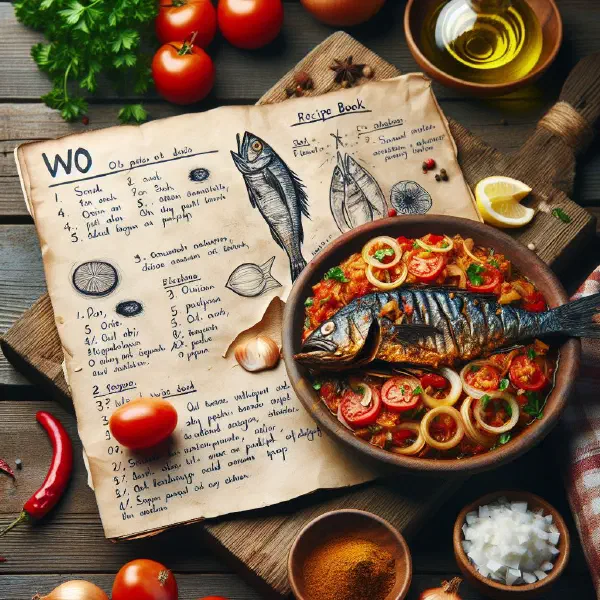
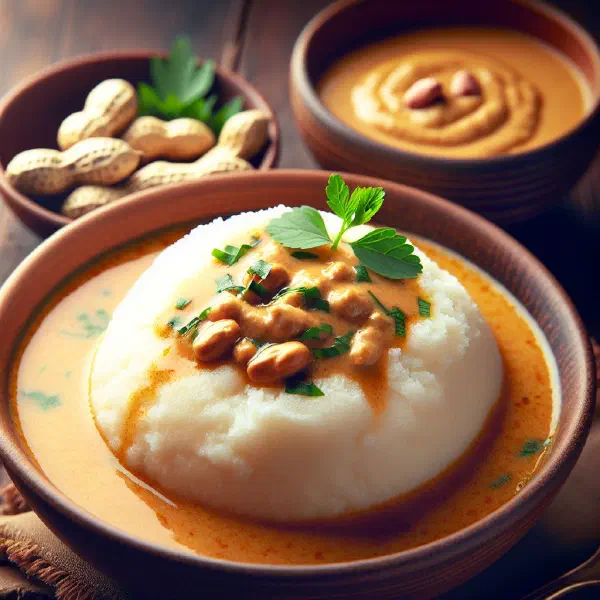
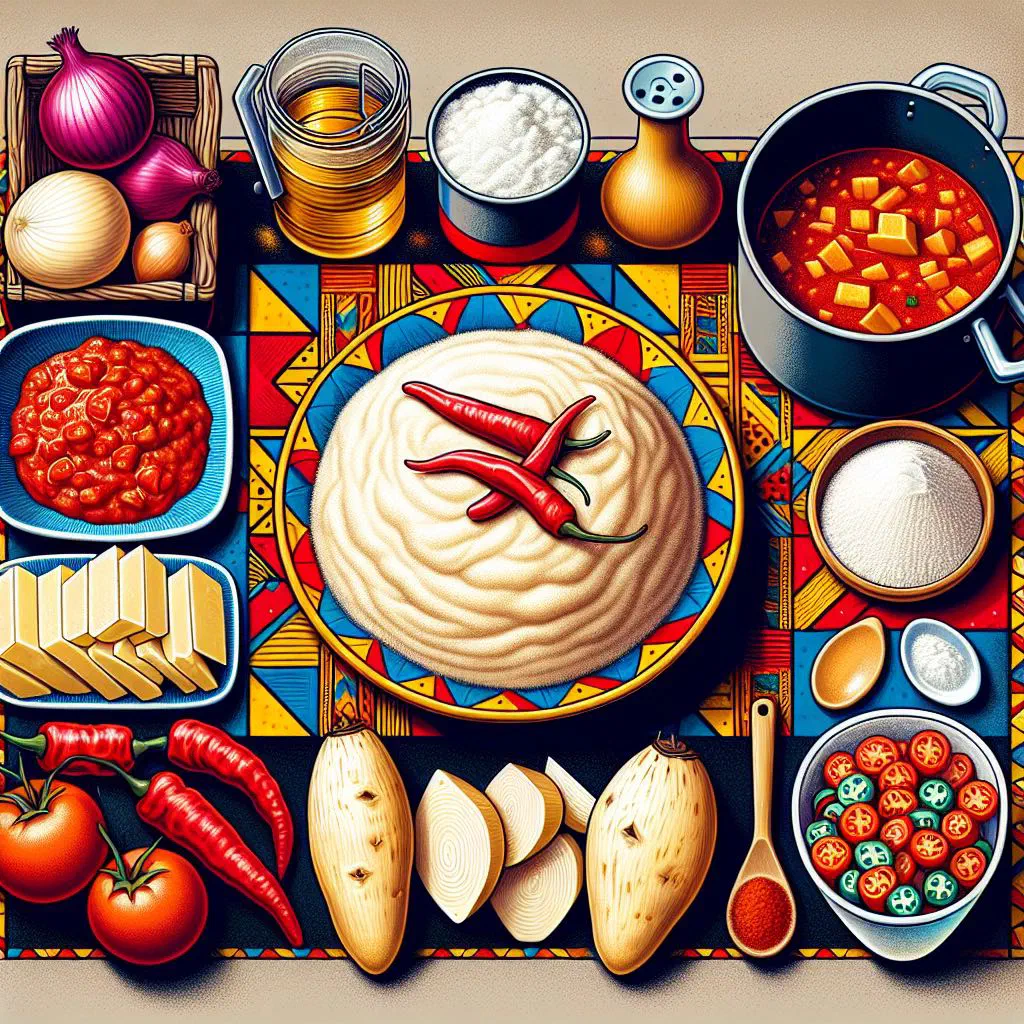
Discover Pâte, the humble cornerstone of West African home cooking and one of Benin’s most cherished staples. Made from nothing more than maize meal, water and a pinch of salt, it is stirred over the hob until it turns into a smooth, pliable mound that soaks up sauce beautifully. Simple, filling and endlessly adaptable, it is the plate on which the whole meal is built, pair it with a fiery tomato sauce or a nutty groundnut stew and you have a taste of Benin in your own kitchen.
About Pâte
Pâte is a traditional national dish of Benin, defined by its straightforward preparation and its reliance on maize meal. The dish is made with water and takes on its characteristic texture through steady cooking and constant stirring. In Benin, pâte is valued as a staple food and forms a fixed part of the regional diet. It is filling and an excellent base for a wide variety of sauces and side dishes, which round out and intensify the flavour of the meal.
Ingredients (serves 1–2)
- 200 g maize meal
- 500 ml water
- A pinch of salt
- Optional: spices to taste (e.g. pepper, chilli)
Shopping for the ingredients
The ingredients you need for pâte are available in most supermarkets or in specialist African grocery shops. When buying maize meal, look for good quality flour to get the best possible flavour. The water you use should be clean and fresh so the purity of the dish comes through. In some areas you can also visit local markets to find freshly milled maize meal, which lends the finished dish a particularly good taste.
Preparing the dish
Preparing pâte is quick and uncomplicated. Begin by setting out all the ingredients so the cooking process runs smoothly. Measure out 200 g of maize meal and make sure you have 500 ml of water to hand. If you would like to add extra spices, choose them in advance and keep them ready so you can work their aromas into the dish at the right moment.
Step-by-step instructions
- Bring the water to the boil in a large pan.
- Add a pinch of salt to season the water.
- Reduce the heat and sprinkle the maize meal slowly into the simmering water, stirring constantly with a whisk.
- Cook the mixture for around 10–15 minutes, stirring all the while, until it becomes thick and smooth.
- Take the pan off the heat, let it cool slightly, then turn the mixture out into a bowl or onto a plate.
- Serve the pâte with your favourite sauce or side dish.
Gluten-free / lactose-free version
Pâte is naturally gluten-free and lactose-free, since it consists of nothing but maize meal and water. That makes it an excellent option for anyone with particular dietary requirements. If you add further ingredients such as vegetables or meat, do check that these are gluten-free as well. You can then enjoy all the flavour and texture of the dish without worrying about intolerances.
Tips for vegans and vegetarians
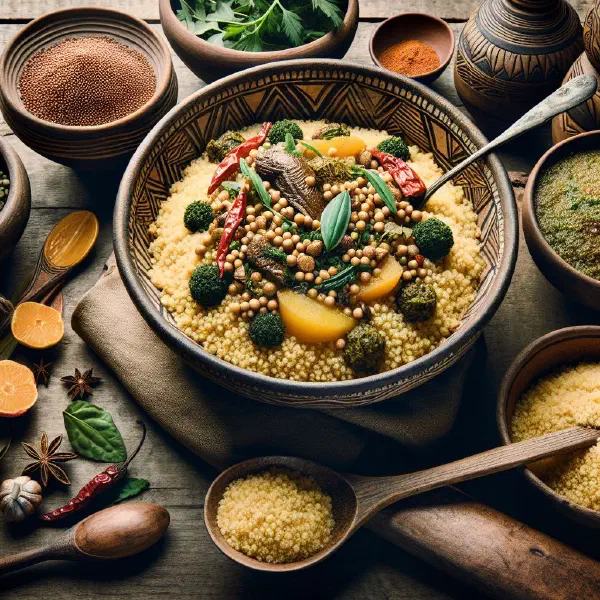
Pâte is vegan from the outset and ideal for vegetarians, as it contains no animal products at all. To make the meal even more nourishing, work vegetables such as spinach, carrots or peppers into your sauces. Experiment with plant-based protein sources like beans or lentils as sides to boost the nutritional value, much as you would when serving Sauce Feuilles. This keeps the dish varied and delicious as well as filling.
More tips and tricks
The single most important element in achieving the perfect texture is constant stirring during cooking. This prevents catching and burning, and ensures the maize meal disperses evenly through the water. If you would like a particularly creamy result, increase the amount of water slightly, but take care that the mixture does not become too loose. Fresh herbs such as coriander or thyme will intensify the aromas and give the dish a distinctive note.
Adapting the recipe to your taste
Pâte is an exceptionally versatile dish that can easily be adjusted to personal preference. You might vary the accompanying sauce, for example, from a spicy tomato-based Moyo Sauce to a creamy groundnut sauce. Adding spices such as cumin or paprika can also change the flavour profile decisively.
Ingredient substitutions
If you do not have maize meal to hand, other flours such as rice flour or millet flour work too, although the texture and taste will shift a little. For a spicier variation you can work some chilli powder or ginger into the mixture. Experiment with different liquids as well, vegetable stock instead of water, for instance, gives the dish an extra kick of flavour. Substitutions like these add variety to the recipe and leave room for new taste experiences.
Drink pairing ideas
A number of drinks pair well with pâte and round out the eating experience. A chilled homemade hibiscus tea, known locally as Bissap, brings a fruity note that harmonises beautifully with the savoury pâte. Those who enjoy an alcoholic pairing might reach for a light wheat beer, which sits comfortably alongside the flavours of the meal. Water with a squeeze of lemon or a sprig of mint is another refreshing option for cleansing the palate between mouthfuls.
Serving and presentation ideas
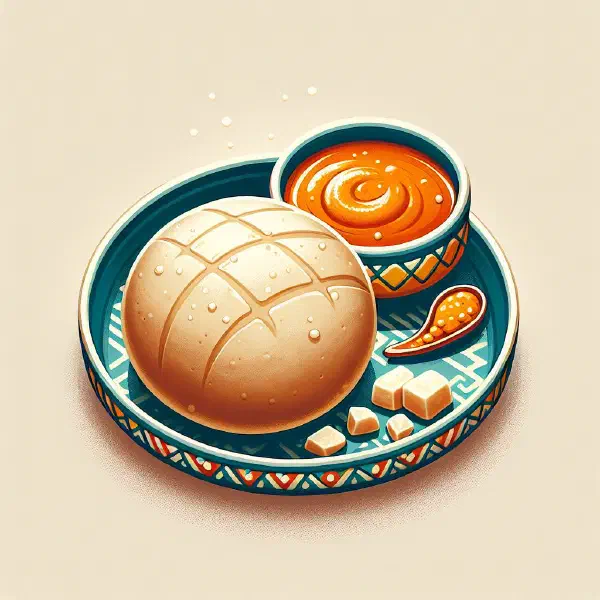
The way you serve the dish can improve the meal considerably. Use colourful plates to bring out the vivid sauces and side dishes. You can also divide the pâte into small portions and arrange them in a bowl, with the sauces served separately. Fresh herbs or toasted nuts make a fine garnish and give the plate an elegant touch. An attractive presentation not only builds anticipation but turns the meal into a feast for the eyes.
A bit of history
Pâte has its roots in West African cooking and is a symbol of the region’s traditional culinary craft. In Benin the dish is often served at festive occasions and family gatherings. It reflects the local ingredients and the culture in which it grew up, and the method of preparation and serving varies from region to region, which makes pâte a living example of the diversity of Beninese cuisine.
More recipe ideas
Summary: Pâte
Pâte is more than a simple dish. It is a symbol of the culture and tradition of Benin. With its handful of ingredients and the sheer number of possible accompaniments, it offers an excellent way into West African cooking. Pâte can be adapted to personal taste and suits vegetarians and vegans alike. Let the versatility and flavour of this wonderful dish win you over.