National Dish Benin: Suji (Recipe)

In this article
Discover Suji, a simple yet quietly brilliant speciality from Benin. Made from little more than ground maize flour and water, it is shaped into soft cakes and fried until golden, with a gently sweet flavour that suits almost any moment of the day. Few ingredients, no fuss and a wonderfully satisfying result. This is home cooking at its most welcoming, and a delicious way to bring a piece of West African food culture to your own table.
About Suji
Suji is a traditional dish from Benin made from ground maize flour. What sets it apart is its lightly sweet flavour, which makes it suitable for all kinds of occasions. Suji can be served as a main dish or as a snack, and that flexibility has made it a much-loved fixture of Beninese cooking. Preparation is straightforward and calls for only a handful of ingredients, so it is a perfect dish for cooks of every level of experience.
Ingredients (serves 1–2)
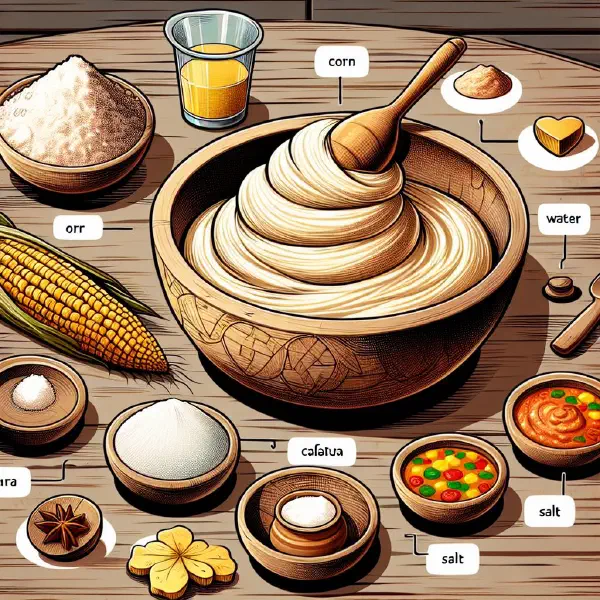
- 1 cup ground maize flour
- 2 cups water
- 1 pinch of salt
- 1–2 tablespoons sugar (optional)
- A splash of vegetable oil, for the pan
Shopping for the ingredients
When you shop, make sure the maize flour is fresh. It makes all the difference to the finished flavour. Salt and sugar are basics that most households will already have to hand, and the vegetable oil can be whichever kind you prefer. African or Caribbean grocers are a reliable source of good maize flour, though larger supermarkets usually stock a suitable version too.
Preparing the dish
Before you start cooking suji, gather all your ingredients and get your work surface ready. It is worth choosing a pan of the right size so the cakes cook evenly. If you would like to sweeten the dough with sugar, you can decide on that at this stage. Make sure you also have a little oil standing by for the pan, so the dough does not stick during frying.
Step-by-step instructions
- Bring the water to the boil in a saucepan and add a pinch of salt.
- Add the ground maize flour gradually, stirring constantly.
- Keep stirring until the dough is thoroughly combined and has thickened.
- Turn the mixture out onto a plate and leave it to cool.
- Heat a little vegetable oil in a frying pan.
- Shape the cooled mixture into portions and place them in the pan.
- Fry the suji until golden brown on both sides, then serve.
Gluten-free / lactose-free version
The great thing about suji is that it is naturally gluten-free, as long as you use pure maize flour. Check that your flour contains no other grains or blended additions, so the dish stays reliably suitable for a gluten-free diet. For a lactose-free version, simply stick to plant-based oils or fats and leave out dairy altogether. That way everyone can enjoy suji, whatever their dietary requirements.
Tips for vegans and vegetarians
Another advantage of suji is that it is naturally vegan and vegetarian. For a richer texture, though, you can use coconut milk in place of water to give the dish extra depth of flavour. Suji also works beautifully as a side to vegetable dishes, or as a snack with a vegan dipping sauce, much like the fried bean fritters known as Akara. Experiment with different accompaniments to make the dish more varied still.
More tips and tricks
When making suji, it is important to keep an eye on the consistency of the dough. If you find it is getting too thick, add a little water bit by bit until you reach the texture you want. Stir the mixture well throughout to avoid lumps forming. It is also worth using a non-stick pan, which stops the shaped suji from sticking and gives you the best possible result.
Adapting the recipe to your taste
The recipe for suji is remarkably adaptable. You can adjust the amount of sugar to suit your own palate or swap it for an alternative sweetener entirely. Prefer something with a bit more character? Try adding spices such as cinnamon or nutmeg. This not only changes the flavour but lends the dish an interesting note that pairs well with a range of sides, from a fresh Moyo Sauce to a simple salad.
Ingredient substitutions
If you do not have maize flour to hand, other options are worth trying, rice flour or buckwheat flour, for instance. Bear in mind that both the method and the cooking time may vary depending on the type of flour you use. When it comes to sweetening, honey, agave syrup or alternative sugars all work well and help bring out the natural flavour.
Drink pairing ideas
Suji goes wonderfully with a variety of drinks that underline the flavour of the dish. Herbal teas and fruity lemonades are popular partners and complement the gently sweet notes perfectly. Alcohol-free cocktails or a refreshing fruit spritzer make fine alternatives, as does the hibiscus drink Bissap. These are appealing in flavour and provide a refreshing lift throughout the meal.
Serving and presentation ideas
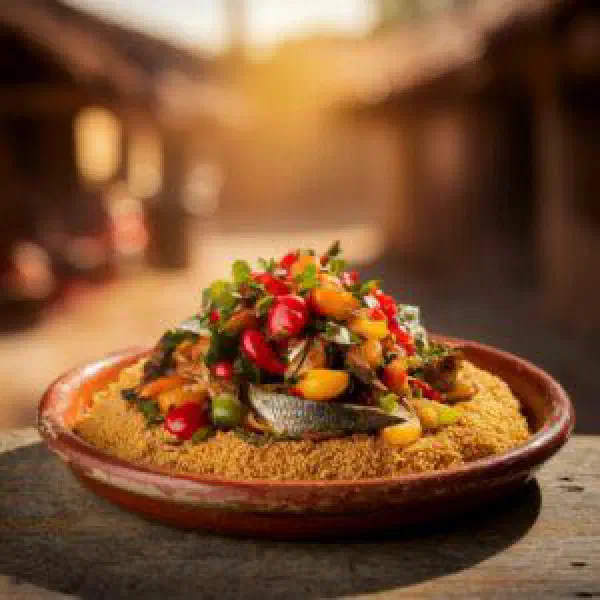
The way you present your suji can make a real difference. Serve the portions on a colourful plate and garnish them with fresh green vegetables or herbs such as parsley or coriander. Adding a few slices of tomato or avocado on the side brings both colour and contrasting texture. A second plate holding a selection of dips lifts the meal further and pleases the eye as much as the palate.
A bit of history
Suji has a history in the culture and traditions of Benin. It is often passed down from one generation to the next and forms a fixed part of many celebrations and festivities. The simplicity of the preparation and the ready availability of the ingredients have made suji a favourite across all age groups. It brings people together, since it is frequently served in a communal setting, and it plays an essential role in Benin cuisine, alongside staples such as Fufu.
More recipe ideas
Summary: Suji
In short, suji is an easy, flavourful dish from Benin that suits just about any occasion. With only a few ingredients you can create a whole range of flavours and textures that are as pleasing to eat as they are simple to prepare. Suji appeals to countless people who value Beninese culture. Give it a try and bring a piece of this distinctive cuisine to your own table.