National Dish Benin: Tchakri (Recipe)
In this article
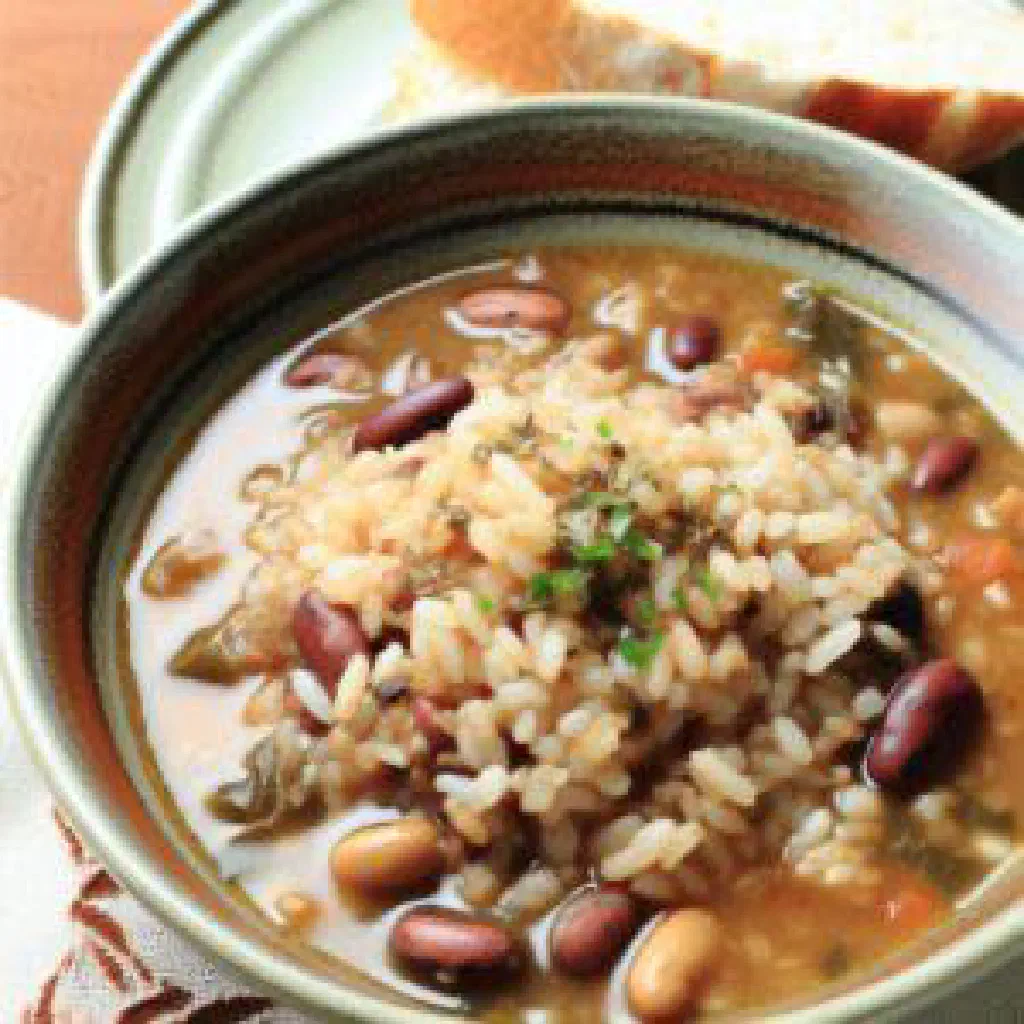
Discover Tchakri, a warm and generous plate of rice and beans that carries the flavours of Benin straight to your table. Gently spiced with cumin and chilli and built on humble, affordable ingredients, it is the sort of dish that fills a kitchen with a wonderful aroma long before anyone sits down. Simple enough for a weeknight, yet special enough for a celebration, it offers a genuine taste of West Africa.
About Tchakri
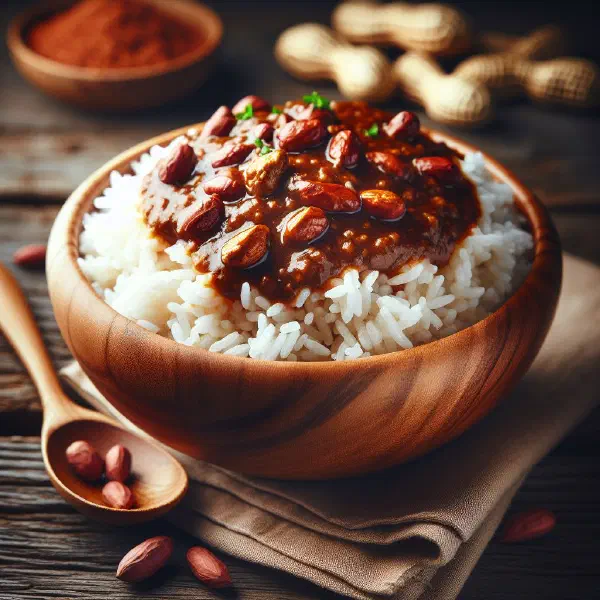
Tchakri is a traditional dish from Benin that reflects the flavours and the culture of West Africa beautifully. It brings together rice and beans with a range of aromatic spices such as cumin and chilli. That combination creates a distinctive taste and makes for a genuinely nourishing meal. Enjoyed in everyday home cooking as much as at festive gatherings, it puts a piece of Beninese culture directly on your plate.
Ingredients (serves 1–2)
- 1 cup rice
- 1 cup black-eyed beans
- 1 onion
- 2 cloves garlic
- 1 teaspoon cumin
- 1 teaspoon chilli powder
- 2 tablespoons vegetable oil
- Salt to taste
- Pepper to taste
These ingredients are easy to source and relatively inexpensive. Using fresh, good-quality produce is the surest way to get the most out of the flavour and aroma of tchakri.
Shopping for the ingredients
There are plenty of places to find what you need for tchakri. Supermarkets normally stock the basics such as rice and beans, while African or Asian grocers offer a far wider choice of spices. It is well worth buying fresh onions and garlic in particular, since they contribute so much of the dish’s depth. Local markets are ideal for picking up the freshest produce while supporting growers nearby.
Preparing the dish
Making tchakri is refreshingly straightforward and leaves room for creativity. Begin by soaking the beans overnight so they soften and cook more quickly. Wash and prepare the vegetables at the same time, so nothing holds you up later on. Having every ingredient measured out and within reach before you switch on the hob makes the whole process more efficient and a good deal calmer.
Step-by-step instructions
- Rinse the beans thoroughly and put them in a pan with fresh water to cook.
- Rinse the rice as well and cook it in a separate pan of water.
- Finely chop the onion and garlic and fry them in a pan with the vegetable oil.
- Add the cooked beans to the onion and garlic, stir in the spices and mix well.
- Fold the cooked rice through carefully and season with salt and pepper.
- Let everything simmer for a few minutes so the flavours can open up.
- Serve and enjoy.
Gluten-free / lactose-free version
One of the great advantages of tchakri is that it is naturally gluten-free and lactose-free, since it is built on rice and beans. That makes it an excellent choice for anyone with those intolerances. Do check that your spices and oils are certified gluten-free as well, to rule out cross-contamination. You can then enjoy the dish in full without a second thought.
Tips for vegans and vegetarians
Tchakri is already vegan and vegetarian by nature, which makes it a superb option for plant-based cooking. To make it even more nourishing, stir in mixed vegetables such as peppers or carrots. They add texture and colour along with a useful range of vitamins and minerals. Experiment with different vegetables to create your own version, much as you might with a plate of Gari Foto.
More tips and tricks
A little kitchen know-how goes a long way with tchakri. Try toasting the beans before boiling them to deepen their aroma. The cooking water from the beans is worth keeping too. It makes an excellent base for stocks or soups. Be patient while cooking, since the flavours need time to unfold and merge with one another. These small details are what lift the finished dish.
Adapting the recipe to your taste
Tchakri is easily tailored to personal preference. Dial the spices up or down to make it hotter or milder, exactly as you like. You can also try different varieties of rice, such as wholegrain or basmati, for a different taste and texture.
Ingredient substitutions
If some ingredients are unavailable, there are plenty of alternatives. In place of black-eyed beans you might use red kidney beans or green peas, the same sort of swap that suits Akara equally well. For the rice, quinoa is a protein-rich, gluten-free option. Remember that the spice mix can be adjusted too, keeping the dish both individual and full of flavour.
Drink pairing ideas
A number of drinks round off tchakri nicely. A fresh fruit juice or a minty iced tea both make refreshing companions. For a more traditional touch, a glass of young coconut water complements the flavours of the dish perfectly, as does a chilled hibiscus Bissap. These drinks refresh the palate while harmonising with the spices.
Serving and presentation ideas
Thoughtful presentation can lift the whole tchakri experience. Serve the dish in an attractive bowl and garnish it with fresh herbs such as coriander or parsley. Offer sides such as salads or lightly spiced vegetables to make the meal more inviting still. Combining colours and textures well creates a real visual highlight on the table.
A bit of history
Tchakri has a long tradition in Beninese cooking and forms part of the country’s cultural heritage. Historically it was often served at festivals and gatherings as a way of bringing the community together. The use of rice and beans reflects both the regional harvest and the culinary influences of Benin’s many ethnic groups. The dish is a fine example of how food is a means of connection and celebration in Beninese cuisine.
More recipe ideas
Summary: Tchakri
To experience the flavours and the delicious world of Beninese cooking, tchakri is a marvellous place to start: easy to prepare and endlessly adaptable. The combination of rice, beans and spices creates a harmonious result that wins people over every time. It is also a healthy, nourishing, vegan and gluten-free option that suits a great many dietary needs. Enjoy tchakri as part of your next meal and discover the variety of Benin’s culinary tradition.