National Dish Benin: Tchokourou (Recipe)
In this article
Discover Tchokourou, a warmly aromatic classic from Benin that turns two humble staples, fermented cassava and roasted peanuts, into something genuinely memorable. Earthy, nutty and gently tangy, it is the kind of nourishing bowl that has fed West African households for generations. Best of all, it needs very little equipment and comes together in well under an hour, so you can bring the flavours of Benin to your own table tonight.
About Tchokourou
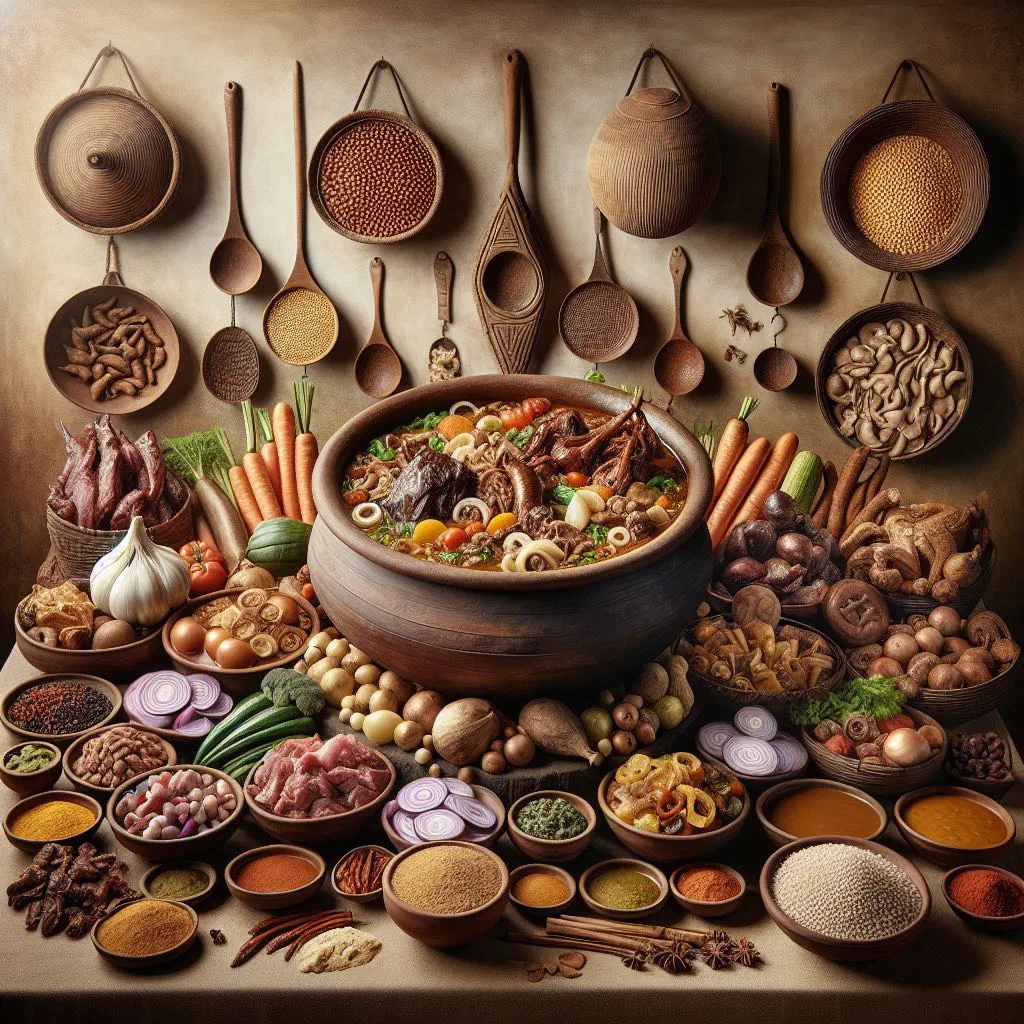
Tchokourou is a traditional national dish from Benin, celebrated for its unusual aromas and its thoroughly hearty ingredients. It is most often built around fermented cassava and peanuts, and it is the fermentation that gives the dish its characteristic tang and depth. More than a meal, Tchokourou stands for the culinary variety of West Africa and for the cultural traditions passed down from one generation to the next. The combination of nourishing, filling ingredients makes it a perfect choice for a satisfying supper.
Ingredients (serves 1–2)
- 250 g fermented cassava
- 100 g roasted peanuts
- 1 onion, diced
- 2 cups water
- Salt and pepper, to taste
- Fresh herbs (such as parsley or coriander)
Shopping for the ingredients
To cook Tchokourou properly you need to track down the right ingredients. Fermented cassava is usually found in specialist African grocery shops or ordered online. Peanuts, a cornerstone of West African cooking, are best bought raw and roasted freshly at home for the fullest flavour, the same principle that makes a good Sauce Darachide sing. Onions and fresh herbs are easy enough to pick up in any supermarket or at a weekly market.
Preparing the dish
Before you start cooking, it pays to prepare everything carefully. The fermented cassava should be washed thoroughly to remove any residue. The peanuts can be crushed to whatever texture you prefer, some cooks like coarse, crunchy pieces, while others grind them almost to a paste. Dicing the onion finely helps the flavour spread evenly through the pot rather than sitting in pockets.
Step-by-step instructions
- Put the grated cassava into a pan and cover it with water.
- Bring to the boil, then leave to simmer for around 15 minutes, stirring occasionally.
- Add the roasted peanuts and the diced onion.
- Season with salt and pepper and cook for a further 10 minutes.
- Stir through the fresh herbs at the very end and mix well.
Gluten-free / lactose-free version
One happy detail about Tchokourou is that it is naturally gluten-free and lactose-free, since neither fermented cassava nor peanuts contain either. That makes it an excellent option for anyone with particular dietary needs. Do check the herbs and spice blends you use, though, as pre-mixed seasonings occasionally contain additives that are not suitable.
Tips for vegans and vegetarians
Tchokourou is already a fine choice for vegans and vegetarians, as every ingredient is plant-based. To make it even more nourishing you can add vegetables such as spinach or carrots, which improve both the flavour and the nutrient density of the bowl. Spices like cumin or paprika lend the dish extra depth, and a side of Akara rounds out the plate with plant protein.
More tips and tricks
For a perfect Tchokourou, make sure the fermented cassava is of good quality. The fermentation is what creates the dish’s signature flavour and texture, so it is not a step worth cutting corners on. Cooks who love fresh produce can work in seasonal vegetables for a brighter note. Another good trick is to finish the dish with a sauce of fresh tomatoes or a hot chilli for an extra kick.
Adapting the recipe to your taste
Tchokourou leaves plenty of room for personal adjustment. Depending on your palate, the quantity of peanuts or seasoning can be varied quite freely. For a slightly sweeter result you can even add a splash of honey or a pinch of sugar. Experimenting with different nuts or seeds is worthwhile too, and will open up flavours you might not expect.
Ingredient substitutions
If you cannot find fermented cassava, plain fresh cassava will get you to a similar texture. It simply needs longer cooking to reach the right consistency, much as it does in Baton de Manioc. As for the peanuts, almonds or cashews make an interesting alternative and take the dish in a new direction. The key is to stay creative and choose ingredients by season and by taste.
Drink pairing ideas
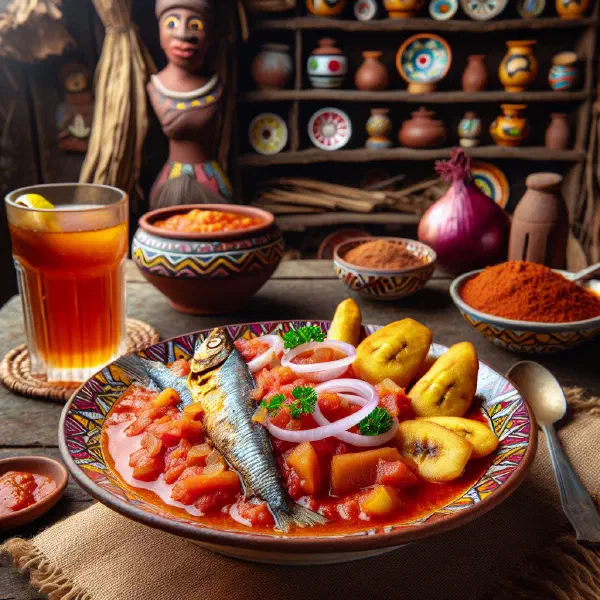
Tchokourou pairs happily with a range of drinks that broaden the eating experience. An African beer or a refreshing lemonade both work beautifully, and a chilled glass of Bissap is a wonderfully tart counterpoint to the nutty base. A fruity smoothie or freshly pressed juice also sits well with these flavours, while a cup of ginger tea makes a soothing finish.
Serving and presentation ideas
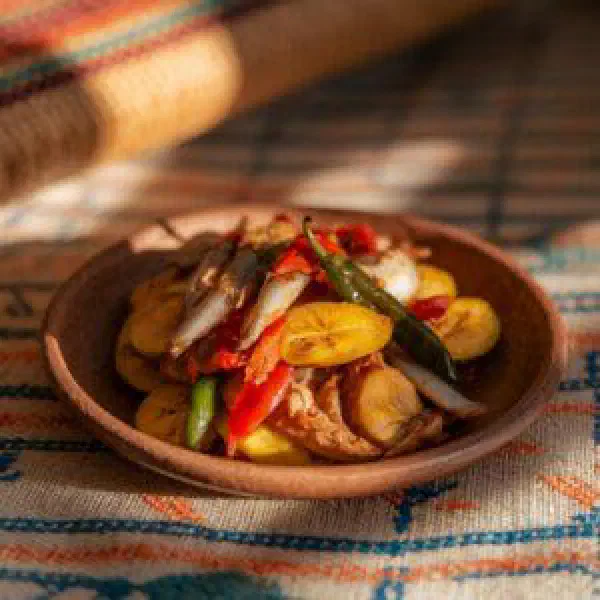
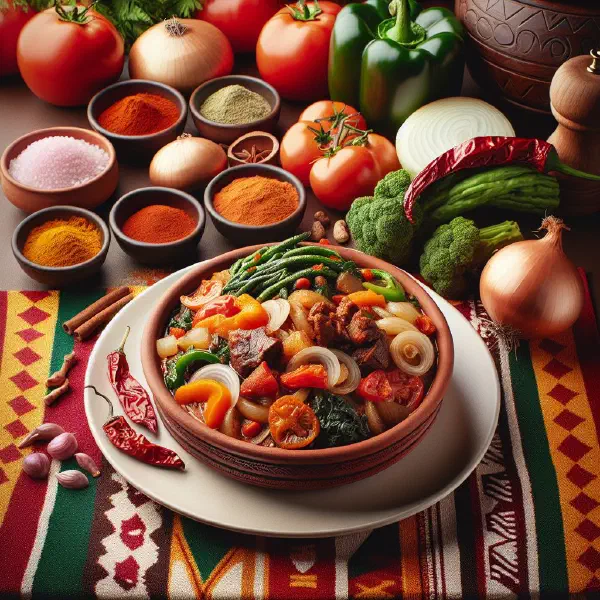
Presentation can lift the Tchokourou experience considerably. Serve it on an attractive plate and garnish with fresh herbs or edible flowers. A colourful side dish of fresh vegetables adds visual interest as well as balance. Serving the dish in a traditional West African vessel is another lovely touch that underlines its cultural context.
A bit of history
Tchokourou has a history rooted deep in the culture of Benin. It was originally made as sustaining food for labourers and farmers and has been a fixture of the country’s kitchens for centuries. Fermenting cassava is an ancient technique that improves flavour and extends the shelf life of the food, a practical necessity long before refrigeration. Today people value Tchokourou for its taste and equally as a symbol of tradition and community within Beninese cuisine.
More recipe ideas
Summary: Tchokourou
Tchokourou is a delicious, nourishing dish that captures the essential flavours of West Africa. Built on fermented cassava and peanuts, it is both wholesome and remarkably adaptable. It suits vegans, vegetarians and anyone with particular dietary needs, and it asks very little of the cook. Let it inspire you and enjoy the variety of Beninese cooking with this simple, satisfying recipe.