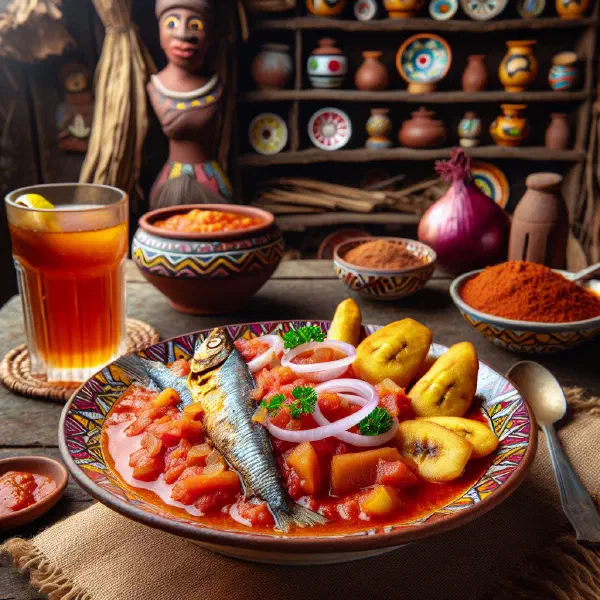
National Dish Benin: Telibo (Recipe)

In this article
Meet Telibo, a warming one-pot dish from Benin that brings together tender rice, fresh fish and a generous handful of spices. It is the kind of food that fills a kitchen with aroma long before it reaches the table, and it carries the unmistakable character of West African home cooking. Simple to make yet full of depth, Telibo is a lovely first step into the flavours of Benin.
About Telibo
Telibo is a traditional dish from Benin, known for its flavourful combination of rice, fish and a whole range of spices. This delicious speciality reflects the cultural variety and the rich culinary heritage of West Africa. Every time you cook Telibo you can taste the aromas and traditions that have been handed down through the generations. It is more than just a meal; it is a tour that takes you towards new flavours.
Ingredients (serves 1–2)
- 200 g rice
- 150 g fresh fish (mackerel or tilapia, for example)
- 1 onion
- 2–3 cloves of garlic
- 1 tomato
- 1–2 tablespoons vegetable oil
- 1 teaspoon paprika
- Salt and pepper to taste
- Fresh herbs (parsley or coriander, for example)
Shopping for the ingredients
Before you start on Telibo, gather all the ingredients you need. Visit a well-stocked supermarket or a local market to find fresh fish, since it is the main component of the dish. Make sure the spices and fresh herbs are of good quality too, so the aroma of the dish comes through at its best. Remember that the freshness of your ingredients can be the difference between an average plate of food and a truly memorable one, the same principle that makes a simple Friture de Poisson so good.
Preparing the dish
Preparing Telibo is straightforward and takes only a few steps. First, rinse the rice thoroughly to wash away the excess starch. While the rice soaks, you can fillet and prepare the fish. The vegetables, the onion, the garlic and the tomato, should be cut into small pieces so their flavours are released more readily. This simple groundwork keeps the cooking itself calm and smooth.
Step-by-step instructions
- Heat the oil in a large pan and fry the onion until lightly golden.
- Add the garlic and tomatoes and cook briefly.
- Stir in the soaked rice and mix well.
- Lay the fish on top and pour in enough water to cover everything.
- Season with paprika, salt and pepper and bring to the boil.
- Reduce the heat, cover and leave to simmer for 20 minutes.
- Garnish with fresh herbs just before serving.
Gluten-free / lactose-free version
Telibo is naturally gluten-free and lactose-free, since its main ingredients are rice and fish. That makes it an ideal dish for anyone with an intolerance or anyone following a gluten-free diet. Simply check that the spices and oils you use are also free from gluten and lactose. The dish then stays not only delicious but easy on the digestion for everyone at the table.
Tips for vegans and vegetarians
There are creative ways to adapt Telibo for vegans and vegetarians. Instead of fish you might use tofu or a selection of vegetables to give the dish body. Make sure you continue to season the rice well so the flavour stays lively. These alternatives are an excellent way to enjoy the character of Telibo without any animal products, much as you would with a plant-based Saka Saka.
More tips and tricks
A few extra pointers make cooking Telibo simpler and more efficient. Use fresh spices to intensify the flavour, and cook a larger batch so you have leftovers for the days ahead. The aromas of Telibo often develop further when the dish is reheated, which makes for a second enjoyable meal. Serve it with a piece of freshly baked bread to mop up the delicious sauce.
Adapting the recipe to your taste
There are many ways to shape Telibo around your own preferences. Experiment with different spices or add new ingredients to enrich the dish. If you like things hotter, chillies or a pinch of cayenne pepper will do the job nicely.
Ingredient substitutions
Sometimes it can be tricky to find every ingredient for Telibo. In those cases, alternatives work perfectly well. Instead of fresh fish you can use tinned fish, which is very convenient. With the herbs, dried varieties will stand in for fresh ones, even if the aromas come through a little differently. Just make sure any substitutes are also fresh and of good quality.
Drink pairing ideas
Choosing the right drink rounds off your Telibo beautifully. A refreshing malt beer or a light local lager harmonises wonderfully with the flavours of the dish. Alternatively, offer fresh juices or sparkling water to soften the intensity of the spices, a chilled Bissap is a classic choice. Experiment with different drinks to get the most out of the meal.
Serving and presentation ideas
Presentation matters just as much as flavour, particularly with a traditional dish such as Telibo. Serve the food in an attractive, generously sized bowl and garnish with fresh herbs. A splash of lemon juice over the top will lift the aroma and add a touch of colour. Use good plates and cutlery to make the meal look as appealing as it tastes.
A bit of history
Telibo has its roots deep in the culture of Benin and embodies the essence of West African cooking. It was originally prepared for festive occasions and has since become an everyday dish in many households. This one tells stories of community, family tradition and the subtle flavours of the region. For many Beninese, cooking and eating Telibo is part of their identity, and a fine introduction to Beninese cuisine.
More recipe ideas
Summary: Telibo
To sum up, Telibo is a delicious and versatile dish that captures the flavours of Benin. Its simple preparation and adaptability make it suitable for any occasion. Telibo will always be a treat for the palate. Give this dish a go and discover the flavours of West Africa for yourself.