National Dish Benin: Yovo Doko (Recipe)
In this article
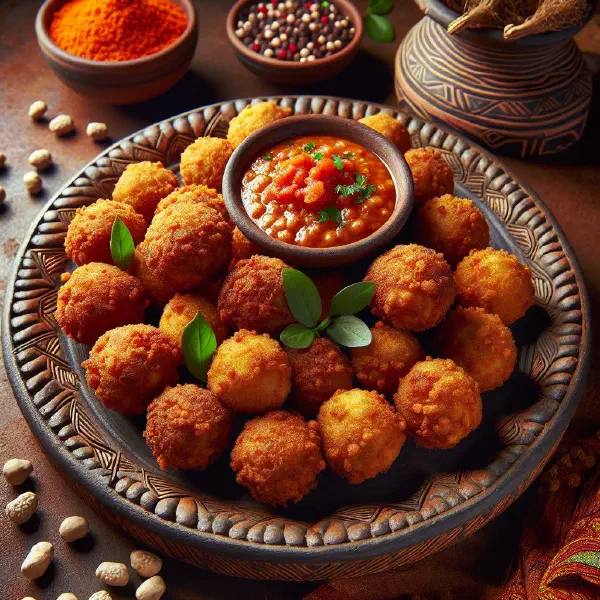
Yovo doko — literally “white person’s doughnut” in Fon — are Benin’s beloved fried yeast balls, sold warm from roadside stalls in the morning and again at dusk. The name records their European origin, but they have been thoroughly Beninese for generations: crisp outside, airy within, dusted with sugar and eaten by the handful.
About Yovo Doko
Yovo doko are sweet fried doughnuts, a fixture of Beninese street food. A simple yeast dough of flour, sugar and water is left to rise until light and bubbly, then dropped in spoonfuls into hot oil, where the balls puff up dramatically. They are sold in every market and on most street corners, usually still warm, and they belong to a family of West African fried dough snacks found from Senegal to Nigeria.
Ingredients (serves 1–2)
- 250 g plain wheat flour
- 7 g dried yeast
- 40 g sugar, plus extra for dusting
- A pinch of salt
- 150 ml lukewarm water
- Vegetable oil, for deep-frying
Shopping for the ingredients
The shopping list could hardly be shorter, and none of it is unusual. What matters is the oil: use a neutral one with a high smoke point, and enough of it that the dough balls can float freely, shallow frying gives flat, greasy results. Fresh yeast works as well as dried if you prefer it.
Preparing the dish
Dissolve the yeast and a spoonful of the sugar in the lukewarm water and leave until it foams properly. Mix into a thick, sticky dough, much wetter than bread dough, and let it rise until visibly bubbly and almost doubled. Heat the oil to about 170 °C before you begin shaping.
Step-by-step instructions
- Dissolve the yeast and a spoonful of sugar in the lukewarm water; leave 10 minutes.
- Mix in the flour, remaining sugar and salt to make a thick, sticky dough.
- Cover and leave to rise in a warm place for 1–1½ hours, until bubbly.
- Heat the oil to 170 °C in a deep pan.
- Scoop portions with a wet spoon or squeeze them between finger and thumb into the oil.
- Fry for 4–5 minutes, turning, until deep golden all over.
- Drain on kitchen paper and dust with sugar while still warm.
Gluten-free / lactose-free version
Yovo doko contain no dairy and are naturally lactose-free. A gluten-free version works with a bread-specific flour blend, though the balls will be denser and need slightly longer in the oil. Keep the temperature a little lower so the centres cook through.
Tips for vegans and vegetarians
The doughnuts are vegan exactly as written: flour, water, yeast, sugar, salt and oil, with nothing of animal origin. They are among the most dependable plant-based street snacks in West Africa.
More tips and tricks
Let the dough rise properly, under-risen dough gives heavy, dense doughnuts. Keep the oil at a steady moderate heat and fry in small batches. And eat them warm: yovo doko are excellent within twenty minutes of leaving the pan and merely acceptable an hour later.
Adapting the recipe to your taste
A pinch of grated nutmeg is a common West African addition, as is a little vanilla. Mashed banana in the dough gives a softer, sweeter doughnut. Some vendors serve them with a sprinkle of salt instead of sugar, which is surprisingly good.
Ingredient substitutions
Millet or maize flour can replace up to a quarter of the wheat flour for a more traditional grain flavour. Milk in place of water enriches the dough. Any neutral oil works, though groundnut oil is the traditional choice and adds a subtle nuttiness.
Drink pairing ideas
Sweet Nescafé or strong black tea are the standard companions at Beninese stalls. Chilled bissap (hibiscus juice) or ginger juice work beautifully as cold alternatives, their sharpness balancing the sweetness of the dough.
Serving and presentation ideas
Serve yovo doko warm, piled in a bowl or wrapped in paper as they are sold. They need nothing beyond a dusting of sugar. Put them out for breakfast alongside coffee, or in the late afternoon when everyone is hungry but dinner is hours away.
A bit of history
The name, yovo meaning white person or foreigner in Fon, doko meaning something like doughnut, records the European origin of the recipe, brought by traders and missionaries and quickly adopted. Similar snacks exist across West Africa under different names, and everywhere they are sold by women running small independent stalls. They offer a genuine window onto Beninese cuisine.
More recipe ideas
Summary: Yovo Doko
Yovo doko are Benin’s fried yeast doughnuts, crisp, airy, dusted with sugar and vegan without trying. One rise, five minutes in hot oil, and a bowl that empties faster than you can fill it.