National Dish Bhutan: Datshi Paa (Recipe)
In this article
Discover Datshi Paa, one of Bhutan’s great national dishes. Tender pieces of meat simmer with melting cheese and a generous handful of fiery green chillies until the whole pan turns rich and creamy. It is warming, unapologetically spicy and deeply satisfying, the kind of food that brings people together around one table. Bring an authentic taste of the Himalayas straight into your own kitchen.
About Datshi Paa
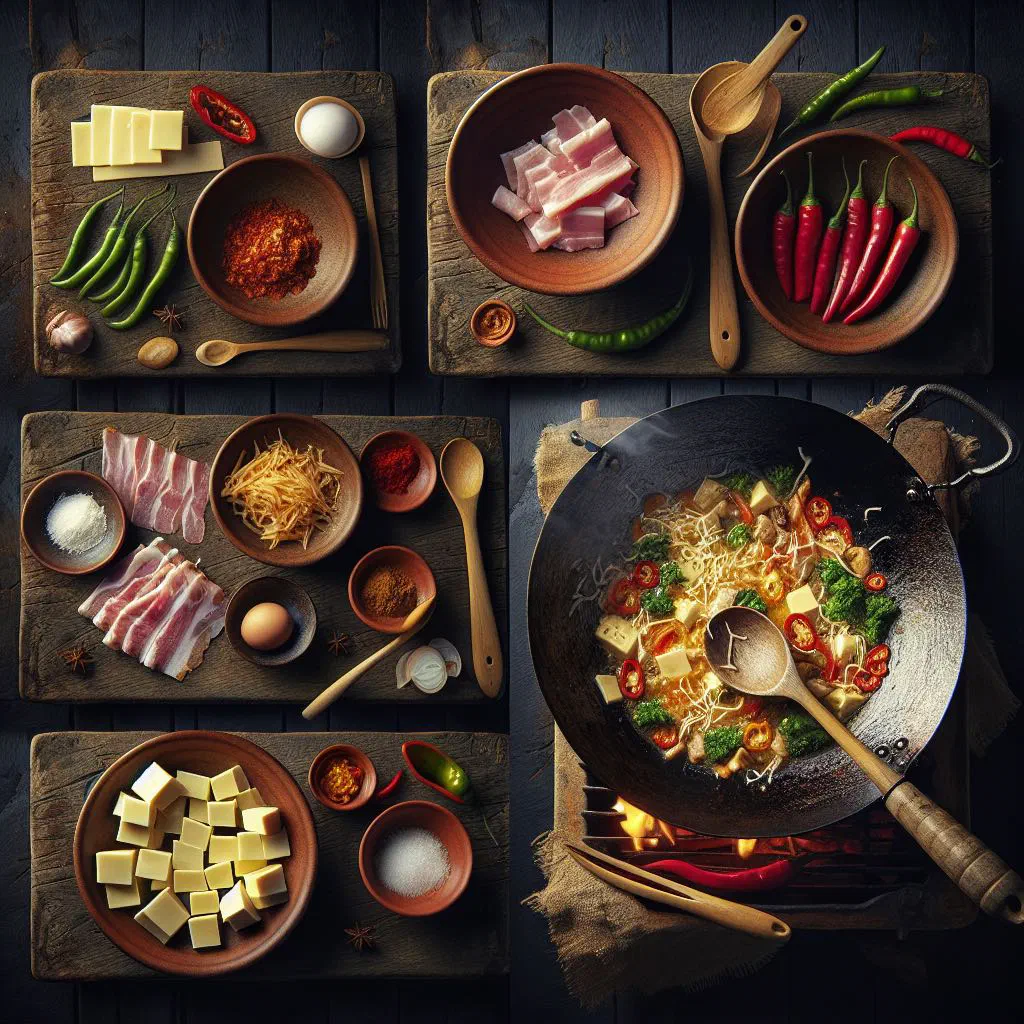
Datshi Paa is one of Bhutan’s national dishes and a superb example of the country’s bold, characterful cooking. It combines tender pieces of meat, usually lamb or beef, with generous amounts of cheese and a healthy quantity of fresh, hot green chillies. The harmony of these flavours captures the warm, hearty eating habits of Bhutanese culture perfectly. Enjoy datshi paa as a main course to experience a genuine sense of community and tradition, much as you would with a bowl of Ema Datshi.
Ingredients (serves 1–2)
- 300 g lamb or beef
- 200 g traditional Bhutanese cheese (or mozzarella as a substitute)
- 4–6 fresh green chillies
- 1 onion
- 2 cloves of garlic
- Ginger, to taste
- 2 cups water or stock
- Salt and pepper to taste
Shopping for the ingredients
When shopping for datshi paa, it pays to choose fresh, good-quality produce. Visit a local market to find well-cut pieces of meat and pick out the freshest chillies you can. Bhutanese cheese may not be available everywhere, but mozzarella or a similar mild cheese makes an excellent stand-in. Wherever possible, favour organic ingredients to bring out the full depth of flavour in the finished dish.
Preparing the dish
Preparing datshi paa is straightforward and leaves plenty of room for creativity. Begin by cutting the meat into bite-sized pieces and finely chopping the onion and garlic. The chillies can be left whole or sliced into rings, depending on how hot you would like the dish to be. Getting everything prepped in advance makes the cooking itself far simpler and lets you work at a relaxed pace.
Step-by-step instructions
- Heat a large pan or pot and add a little oil. Once hot, add the onion, garlic and ginger and fry until golden brown.
- Add the chopped meat and brown it for around 5–7 minutes.
- Stir in the sliced chillies and the stock, then bring everything to the boil.
- Lower the heat and let the dish simmer gently for about 20 minutes.
- After 15 minutes, add the cheese and stir well until it has melted and the sauce turns creamy.
- Taste and season with salt and pepper as you like.
- Serve your datshi paa hot with rice or bread.
Gluten-free / lactose-free version
Adapting datshi paa for gluten-free and lactose-free diets is relatively easy. Instead of ordinary cheese, use a lactose-free cheese or a plant-based alternative. For a gluten-free version, simply check that the stock and all the other ingredients you use are free from gluten. Working with fresh, unprocessed ingredients is the surest way to make the dish suitable for everyone at the table.
Tips for vegans and vegetarians
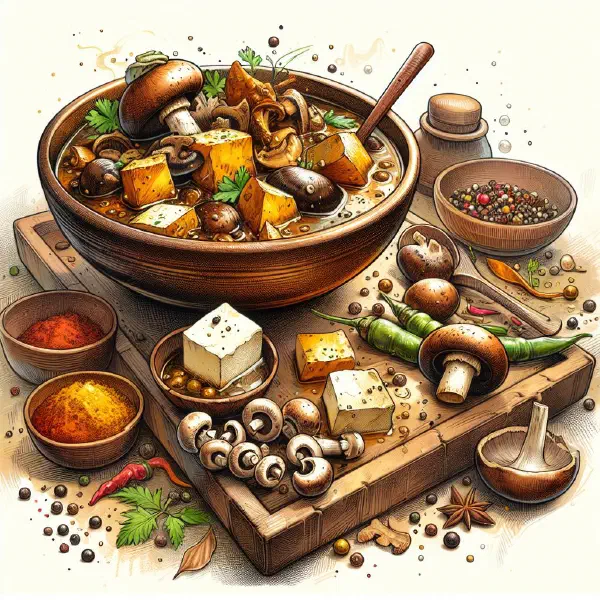
For vegan or vegetarian versions of datshi paa, replace the meat with protein-rich ingredients such as tofu or chickpeas. The cheese can likewise be swapped for a plant-based version to keep that characteristic creaminess. The spicy, savoury notes come through beautifully from the combination of vegetables and seasonings alone. Experiment with different vegetables to find your own signature take, or try a mushroom-led classic such as Shamu Datshi.
More tips and tricks
A few small tricks make all the difference when cooking datshi paa. Always try to use fresh chillies. They make the dish both hotter and far more aromatic. The longer you let it simmer over low heat, the more intense the flavour becomes. It is also well worth experimenting with different cheeses to create quite different results from the same basic recipe.
Adapting the recipe to your taste
The flexibility of datshi paa means you can adjust it easily to suit your own preferences. Vary the number of chillies to dial the heat up or down, or add vegetables such as peppers or courgette for extra texture. This makes the dish tastier and more nutritious, since you are working more vegetables into every serving. Let your imagination run and find the combination that works best for you.
Ingredient substitutions
If you are missing certain ingredients for datshi paa, alternatives are simple to find. Instead of Bhutanese cheese, use mozzarella or another mild variety. For the chillies you can turn to red peppers or dried chillies, depending on the flavour you are after. Dried meat works wonderfully here too, in the manner of Shakam Paa. These small adjustments let you shape the dish exactly to your liking.
Drink pairing ideas
The right drink can lift the whole datshi paa experience. Try it with a light, crisp white wine that balances the heat of the chillies. Local drinks such as tea or a cooling lassi also work beautifully alongside it, Suja, Bhutan’s traditional butter tea, is a particularly authentic choice. For an alcohol-free option, fresh mint tea or a lightly sweetened iced tea refreshes the palate perfectly.
Serving and presentation ideas
Presentation deserves attention, as it adds a great deal to the pleasure of eating datshi paa. Serve the dish in an attractive bowl, garnished with fresh herbs or a few extra chilli rings. A scattering of fresh coriander or mint leaves brightens the look and rounds off the flavour. Take care that the colours of the ingredients show to their best advantage against the plate.
A bit of history
Datshi paa has deep roots in Bhutanese culture. It is a dish traditionally served at festivals and on special occasions, when families gather and cook together. Food plays a central role in Bhutan, and the use of local ingredients is what makes these dishes so genuinely authentic. The recipe reflects the culinary traditions of Bhutanese cuisine, which have been cultivated across the Himalayan valleys for centuries.
More recipe ideas
Summary: Datshi Paa
Datshi paa is more than a recipe; it is an experience of Bhutanese culture, hearty and fiery in equal measure. It brings simple ingredients together into a real explosion of flavour and adapts easily to individual tastes. The method is accessible to every cook and full of possibilities. Give it a try and bring a piece of Bhutan into your own kitchen.