National Dish Bhutan: Datshi with Mushrooms (Recipe)
In this article
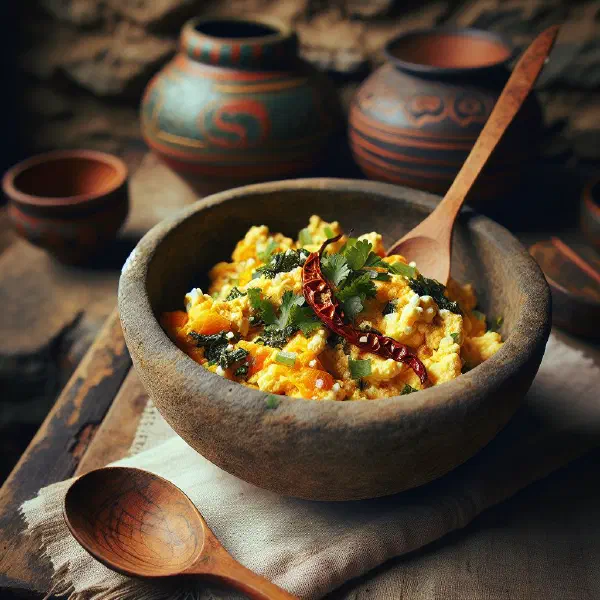
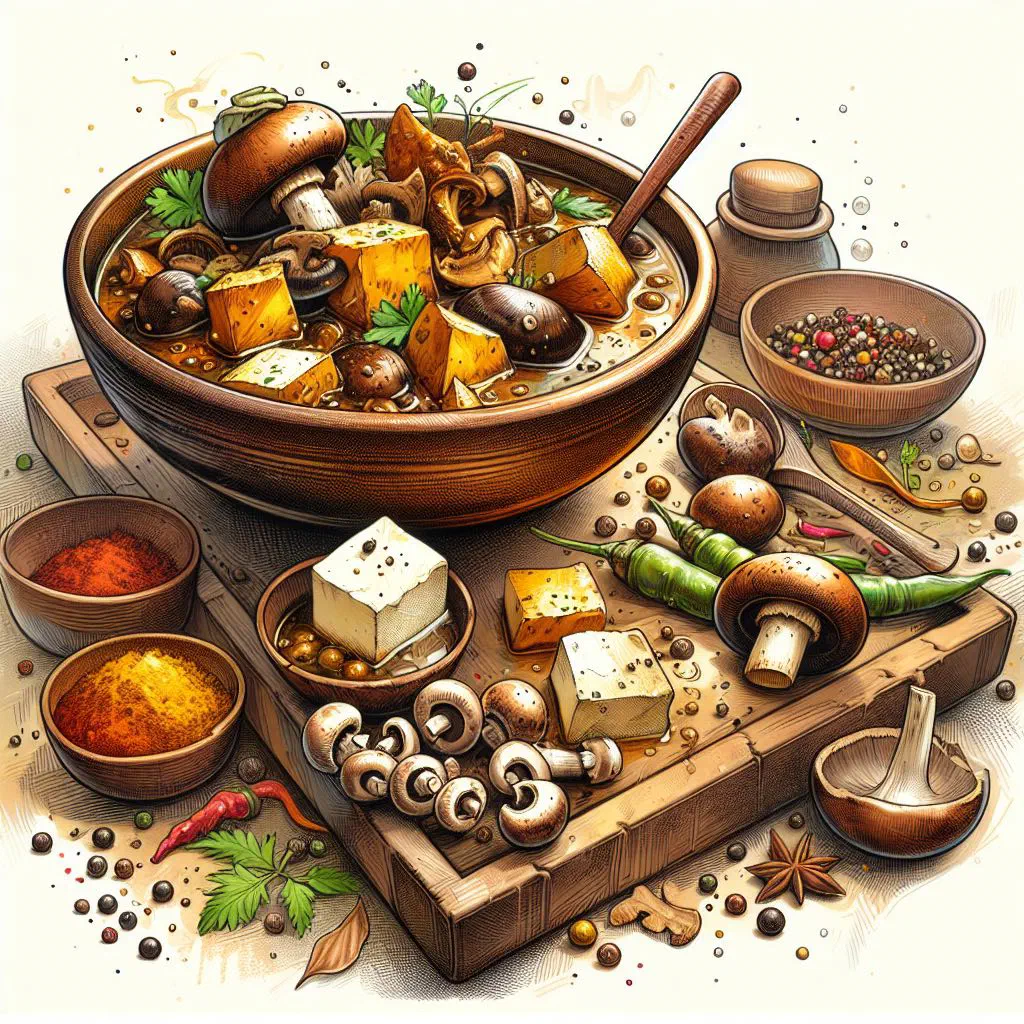
Meet Datshi with Mushrooms, a gloriously creamy cheese dish from the Bhutanese Himalaya that turns a handful of humble ingredients into something memorable. Earthy mushrooms melt into a pool of soft, salty cheese, while green chillies bring the gentle heat that Bhutanese cooks consider essential. It is quick to make, deeply comforting, and a lovely introduction to a cuisine built around cheese and chillies. One pan, twenty minutes, and a taste of the mountains.
About Datshi with Mushrooms
The traditional dish Datshi with mushrooms is a genuine culinary experience, capturing a rare harmony of flavours and textures. In Bhutan, datshi is not merely a dish but part of the country’s cultural identity, uniting the freshness of the landscape with the warmth of a family meal. The creamy cheese is the star here: combined with fresh mushrooms, it creates a flavour you will not find anywhere else. It sits alongside classics such as Ema Datshi at the very heart of the national table.
Ingredients (serves 1–2)
- 200 g fresh mushrooms (button mushrooms or chanterelles work well)
- 100 g traditional Bhutanese cheese (or feta as an alternative)
- 1 onion, diced
- 2 cloves of garlic, chopped
- 1–2 green chillies, to taste
- 2 tablespoons butter or oil
- A pinch of salt and pepper
- Fresh herbs, such as coriander, to garnish
Shopping for the ingredients
For a successful datshi with mushrooms, choosing the right ingredients matters. Look for fresh, locally grown mushrooms known for their flavour and firm texture. The cheese should be fresh and of good quality too, so that it supports the creamy character of the dish. Local markets and wholefood shops are well worth a visit, as they often carry the best of what is in season.
Preparing the dish
Before you start cooking your datshi, take a few minutes to prepare everything properly. Wash the mushrooms thoroughly and cut them into even pieces so they cook at the same rate. The onion and garlic should be finely diced so they distribute evenly through the dish. Slice the green chillies according to your own preference, as they are what brings the heat to the pan.
Step-by-step instructions
- Heat the butter or oil in a frying pan over a medium heat.
- Add the diced onion and the garlic and fry until golden brown.
- Tip the fresh mushrooms into the pan and cook until softened.
- Add the chopped chillies and fry for a further moment.
- Add the cheese and stir everything together until it has melted.
- Season with salt, pepper and fresh herbs.
Gluten-free / lactose-free version
Adapting datshi to particular dietary needs is very straightforward. To keep the dish gluten-free, use gluten-free products such as specialist cheese alternatives. For a lactose-free version, choose lactose-free cheese or a plant-based option that comes close to the flavour of the traditional cheese. Always check the packaging of your ingredients to avoid unwanted gluten or lactose sneaking in.
Tips for vegans and vegetarians
If you would like to make datshi vegan, replace the cheese with a nut-based alternative or use a homemade cashew cream cheese. Swap the butter for a plant oil, and make sure the remaining ingredients are plant-based as well. These small adjustments keep the dish every bit as satisfying for vegan diners. The same approach works nicely for a vegetable-led Bathue.
More tips and tricks
There are a few tricks that will make your datshi even better. Experiment with different varieties of mushroom to vary the aroma and bite. For extra richness, add a splash of cream or yoghurt if that fits your diet. You can also dial the heat up or down by choosing different chillies, creating exactly the balance of flavour you enjoy most.
Adapting the recipe to your taste
The wonderful thing about datshi is how easily it bends to personal preference. Feel free to add vegetables such as peppers, courgette or spinach to make the dish more nutritious. The choice of cheese plays a big role too. Try an Italian or a sharper mature cheese for a different effect. Let your creativity run and build the datshi that suits you best.
Ingredient substitutions
If you do not have every ingredient for datshi to hand, there are plenty of alternatives. Frozen or tinned mushrooms will stand in for fresh ones without much loss. If you cannot find traditional cheese, a hearty vegan cheese or even a creamy hummus is worth a try, much as potatoes carry the flavour in Kewa Datshi. See what your store cupboard offers and be ready to improvise.
Drink pairing ideas
A refreshing drink suits a dish as rich as datshi particularly well. A light, crisp lager harmonises beautifully with its flavours. Alternatively, a fruity lemonade or a light white wine will complement the food and balance the heat of the chillies. For an alcohol-free option, freshly pressed juice is an excellent choice, as is a warming cup of Suja.
Serving and presentation ideas
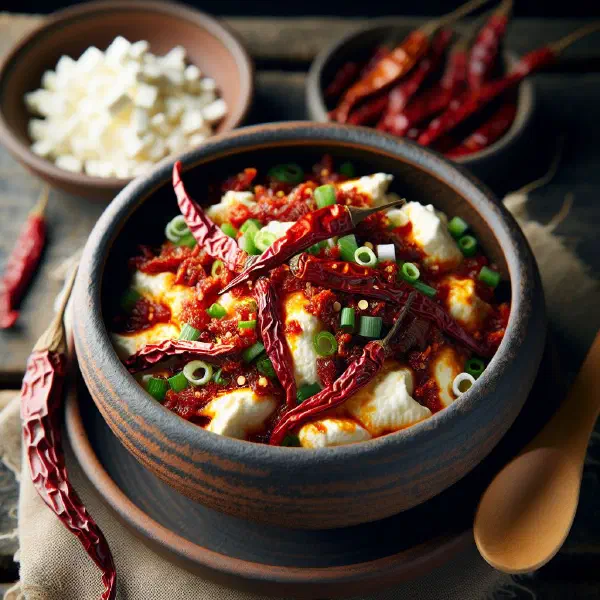
Presentation plays a decisive part in how a dish like datshi is appreciated. Serve it in a rustic bowl and garnish with fresh herbs and a pinch of chilli for a welcome splash of colour. Warm tones such as orange and red make for inviting plates. A nicely laid table with traditional Bhutanese touches lifts the whole dining experience another notch.
A bit of history
Datshi is one of Bhutan’s national dishes and occupies a central place in the country’s kitchens. It is traditionally made with whatever is available, using regional cheese and a variety of vegetables. Over the years the recipe has evolved and won admirers well beyond the Himalaya. It embodies not only a set of flavours but the hospitality of an entire nation, and it remains the perfect entry point into Bhutanese cuisine.
More recipe ideas
Summary: Datshi with Mushrooms
Datshi with mushrooms is not only a flavourful choice for vegetarians but an invitation to discover the rich culture of Bhutan. With a short ingredient list and a few simple steps, you can bring a piece of the Himalaya to your own table. The aromas and textures will win people over. Enjoy both the cooking and the eating, ideally with friends or family.