National Dish Bhutan: Goep (Recipe)
In this article
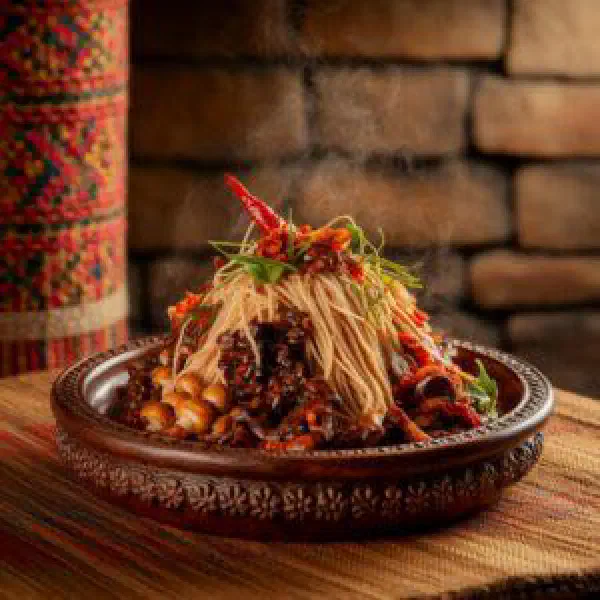
Discover Goep, a beef dish that carries the flavours of the Himalayas straight to your table. Tender cubes of meat soak up a punchy marinade of garlic, ginger and chilli before hitting a hot pan, then arrive alongside fragrant rice and crisp vegetables. It is a warming, generous plate, the kind of food that turns an ordinary evening into something worth lingering over.
About Goep
Goep is a traditional dish from Bhutan, rooted deeply in the culture and heritage of the Himalayas. It is built around tender pieces of beef that are steeped in a carefully made marinade of local herbs and spices. The flavours are intense and showcase the native ingredients so prized in Bhutanese cooking. Alongside the beef, goep is usually served with fragrant rice and fresh vegetables, which makes it a complete and nourishing meal rather than simply a main course.
Ingredients (serves 1–2)
- 300g beef, cut into cubes
- 2 tablespoons soy sauce
- 1 teaspoon garlic, finely chopped
- 1 teaspoon ginger, finely chopped
- 1 teaspoon chilli powder (or to taste)
- 1 teaspoon cumin
- 200g rice
- Fresh vegetables (broccoli or carrots, for example)
- 2 tablespoons oil, for frying
Shopping for the ingredients
When shopping for goep, it pays to put freshness and quality first. Meat from a butcher you trust, crisp vegetables and good-quality spices will lift the finished dish considerably. Many of the ingredients you need are stocked by Asian or international grocers. Look out for locally reared beef in particular if you want to get close to the authentic aroma of Bhutan.
Preparing the dish
Before you start cooking goep, lay out all your ingredients and get the groundwork done. The beef should be cubed evenly and tossed in a bowl with the marinade of soy sauce, garlic, ginger, chilli powder and cumin. Ideally this mixture needs a few hours for the flavours to deepen. While the meat marinates, you can get the rice and the vegetables ready.
Step-by-step instructions
- Combine the beef thoroughly with the marinade in a bowl and leave it to sit for at least 1 hour.
- Cook the rice according to the packet instructions.
- Heat the oil in a pan and sear the marinated beef until browned and cooked through.
- Add the fresh vegetables and fry for a further 5–7 minutes.
- Serve the dish warm with the rice.
Gluten-free / lactose-free version
For a gluten-free or lactose-free version of goep, use a gluten-free soy sauce, widely available in specialist shops. Check that everything else you use, especially spice blends and oils, is gluten-free as well. There are also plenty of plant-based options for cooking the rice and vegetables that suit a lactose-free diet. The dish stays every bit as tasty and can be served to all your guests without a second thought.
Tips for vegans and vegetarians
Vegans and vegetarians can adapt goep easily by swapping the beef for tofu, seitan or simply more vegetables. These alternatives soak up the marinade beautifully and deliver a spiced, satisfying result. Keep the marinade and the cooking method the same to preserve the authentic character of the dish. Combining several types of vegetable is a great way to keep both texture and nutrients in play, much as you would with a plant-forward Ema Datshi.
More tips and tricks
A few small things make a real difference to goep. Fresh herbs scattered over the top just before serving bring the plate to life. Adjusting the quantity of spice lets you tune the heat and aroma exactly to your own liking. Another useful trick is to blanch the vegetables before adding them, which sharpens both their colour and their flavour. Careful timing while frying the meat and vegetables keeps everything tender and full of taste.
Adapting the recipe to your taste
Goep is a versatile dish and easy to bend to personal preference. If you like things spicier, throw in extra chillies or other hot spices. For something milder and a touch sweeter, work a little honey into the marinade or adjust the soy sauce. The rice can change too: aromatic jasmine rice or hearty basmati both make excellent alternatives, and a red-rice version brings you close to a Red Rice Salad.
Ingredient substitutions
If some of the ingredients prove hard to track down, there are several alternatives worth trying. Soy sauce can be replaced with liquid aminos or simply salt, while the beef can give way to chicken or pork, the same swap that works in a Phaksha Paa. Fresh vegetables can vary with the season and with what is available, which only adds new flavour notes to your dish. Substitutions like these leave plenty of room for creativity in the kitchen.
Drink pairing ideas
Any number of drinks go well with goep. Traditional Bhutanese teas, so often served alongside meals, are a fine choice. Fruity lemonades or a light beer also make good partners. Even a simple glass of sparkling water with a squeeze of lemon will refresh the palate and support the flavours on the plate.
Serving and presentation ideas
Presentation can raise the whole goep experience. Use a large, shallow bowl to arrange the dish attractively and finish it with fresh herbs. Lay out the vegetables colourfully and with a little imagination to create an inviting spread. Small dishes of pickles alongside add a contemporary touch and round out the picture nicely.
A bit of history
Goep has a long history in Bhutanese cooking and forms part of a heritage handed down through the generations. Fresh, regional ingredients sit at the centre of the preparation and reflect how people here live and eat. Historically, goep is often served at celebrations and special occasions, which makes it a cultural experience as much as a culinary one. Cooking it is a social event that draws the community together, a spirit you will find right across Bhutanese cuisine.
More recipe ideas
Summary: Goep
Goep is more than just a dish; it is a cultural experience drawn from the kitchens of Bhutan. The combination of spiced beef, aromatic seasonings, freshly cooked rice and colourful vegetables adds up to a feast for the senses. Its many variations and adaptations make it suitable for all kinds of diets, which only broadens the pleasure of cooking it. Enjoy the intensity of the flavours and the cultural roots that goep has to offer.