National Dish Bhutan: Gyuma (Recipe)
In this article
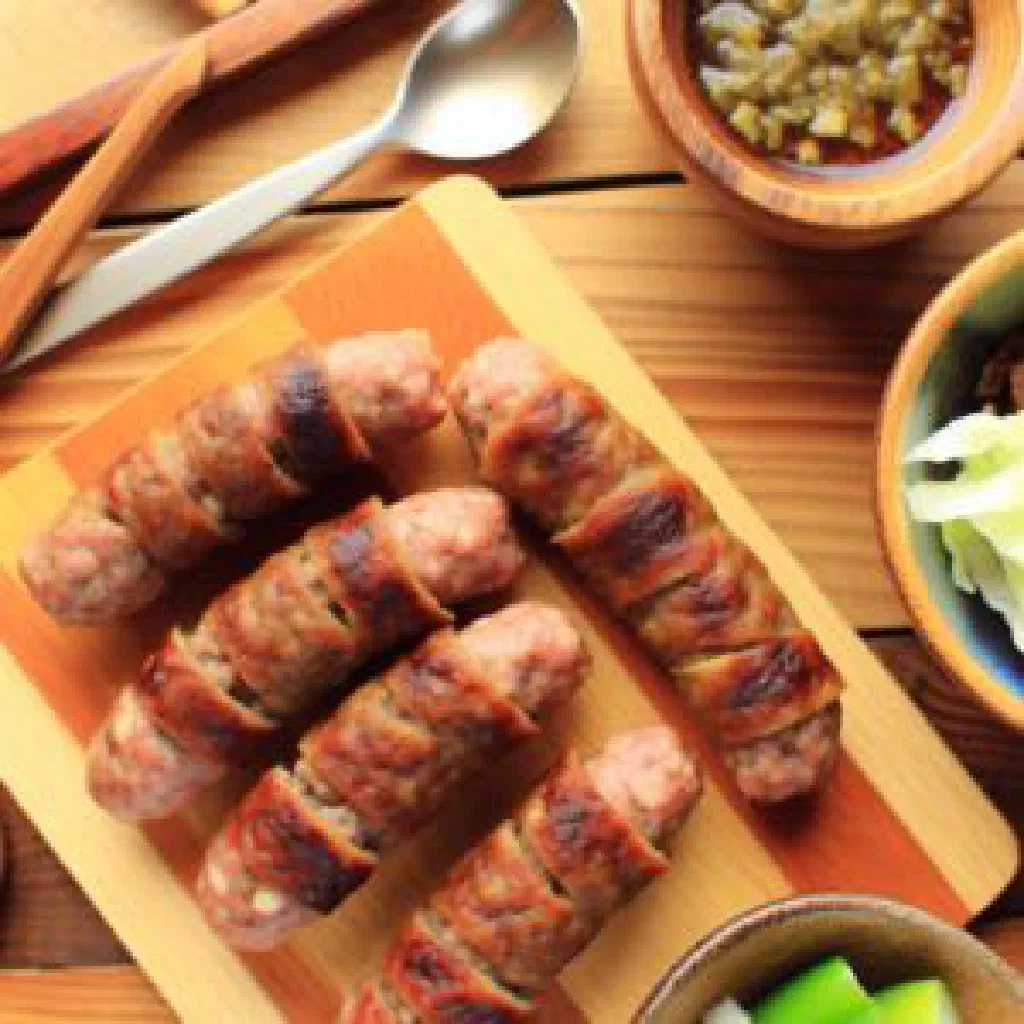
Gyuma is Bhutan’s blood sausage, and it belongs to the winter festivals when animals are slaughtered and nothing is wasted. Blood is mixed with cooked rice, ginger, garlic and chilli, packed into casing and gently simmered, then usually sliced and fried until the edges crisp. It is earthy, warming and unmistakably Himalayan.
About Gyuma
Gyuma is the traditional blood sausage of Bhutan, made from blood, rice and spices cooked in a natural casing, and a fixture of the country’s festive cooking. Its savoury, earthy flavour recalls European black pudding traditions, but the Himalayan seasonings, plenty of ginger and fresh chilli, give it an entirely distinct character. It is typically prepared after a slaughter in the colder months and shared among family and neighbours.
Ingredients (serves 1–2)
- 300 ml fresh pork or beef blood (order in advance from a butcher)
- 100 g cooked rice
- 1 short length of natural sausage casing
- 1 onion, finely chopped
- 1 teaspoon fresh ginger, grated
- 2 garlic cloves, chopped
- 1 red chilli, finely chopped (to taste)
- Salt and pepper
Shopping for the ingredients
Fresh blood must be ordered from a butcher, ideally a day ahead, and used quickly. It should be smooth and free of clots. Natural casings usually come salted and need soaking and rinsing. The rice should be cooked and completely cooled before mixing, since warm rice would begin to set the blood.
Preparing the dish
Soak the casings in lukewarm water for 30 minutes, then flush water through them to check for holes. Strain the blood through a fine sieve to remove any clots. Chop the onion, ginger, garlic and chilli finely, the texture of the filling should be even, so nothing should be in large pieces.
Step-by-step instructions
- Soak and rinse the casings thoroughly.
- Strain the blood through a fine sieve into a large bowl.
- Stir in the cooled cooked rice, onion, ginger, garlic and chilli.
- Season generously with salt and pepper.
- Fill the casing loosely — the rice swells during cooking — and tie off in lengths.
- Prick each sausage several times with a needle.
- Simmer very gently in barely trembling water for 30–40 minutes; do not let it boil.
- Cool, then slice and fry in a little oil until the edges crisp.
Gluten-free / lactose-free version
Gyuma is naturally free from gluten and lactose, blood, rice, aromatics and casing contain neither. Served with rice or ema datshi, the whole meal remains suitable, though the cheese in ema datshi would need substituting for a lactose-free version.
Tips for vegans and vegetarians
There is no genuine vegan version of a blood sausage. If you want something that occupies the same place on a Bhutanese plate, spiced, savoury, sliced and fried, try firm tofu marinated in soy, ginger, garlic and chilli, pressed and pan-fried until dark. It is a different dish, honestly presented as such.
More tips and tricks
The water must never boil: high heat splits the casings and makes the sausage grainy. Fill loosely, prick thoroughly, and keep the simmer gentle. Gyuma is at its best fried after cooking rather than eaten straight from the pot, the crisp edges are the whole pleasure.
Adapting the recipe to your taste
Bhutanese cooks often add chopped fat for richness or Sichuan pepper for a numbing note. Some versions include barley in place of some of the rice. More chilli is entirely authentic, Bhutan is famously the most chilli-loving country in the Himalayas.
Ingredient substitutions
Barley or buckwheat can replace the rice, both traditional Himalayan grains. If fresh blood is unobtainable, a good butcher’s black pudding sliced and fried with the same ginger-garlic-chilli seasoning gives a comparable result with far less work. Spring onions work in place of the onion.
Drink pairing ideas
Ara, Bhutan’s home-distilled rice or barley spirit, is the traditional accompaniment at festivals. Butter tea (suja) is the everyday choice and stands up surprisingly well to the richness. A dark beer works for anyone wanting something more familiar.
Serving and presentation ideas
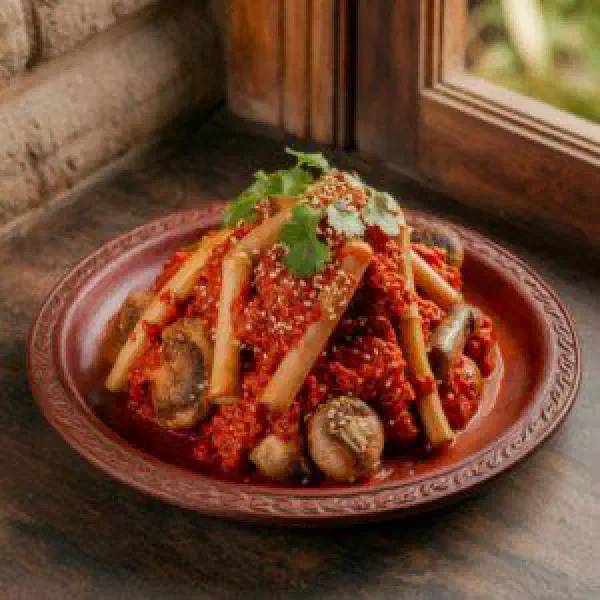
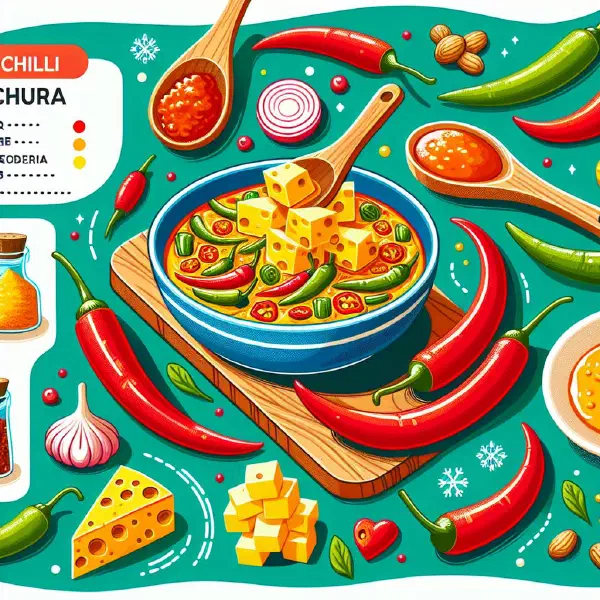
Serve gyuma sliced and fried, piled on a plate with fresh chilli and spring onion scattered over. It belongs alongside red rice and a bowl of ema datshi, the chilli-cheese stew that accompanies almost everything in Bhutan. Eat it hot, straight from the pan.
A bit of history
In the high Himalayan valleys, livestock was slaughtered in late autumn and every part had to be preserved or eaten before spring. Blood sausages appear across the whole Himalayan region, Tibet, Nepal, Bhutan, as a way of using an ingredient that spoils within hours. Gyuma remains tied to festivals and communal gatherings, and offers a genuine window onto Bhutanese cuisine.
More recipe ideas
Summary: Gyuma
Gyuma is Bhutan’s blood sausage, blood, rice, ginger and chilli in a natural casing, simmered gently and then fried until crisp. It is festive food with deep Himalayan roots, best eaten hot with red rice and a bowl of ema datshi beside it.