National Dish Bhutan: Khur-le (Recipe)
In this article
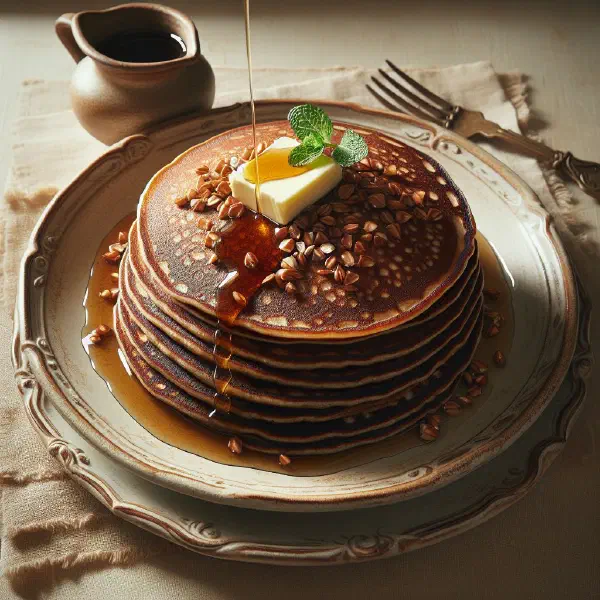
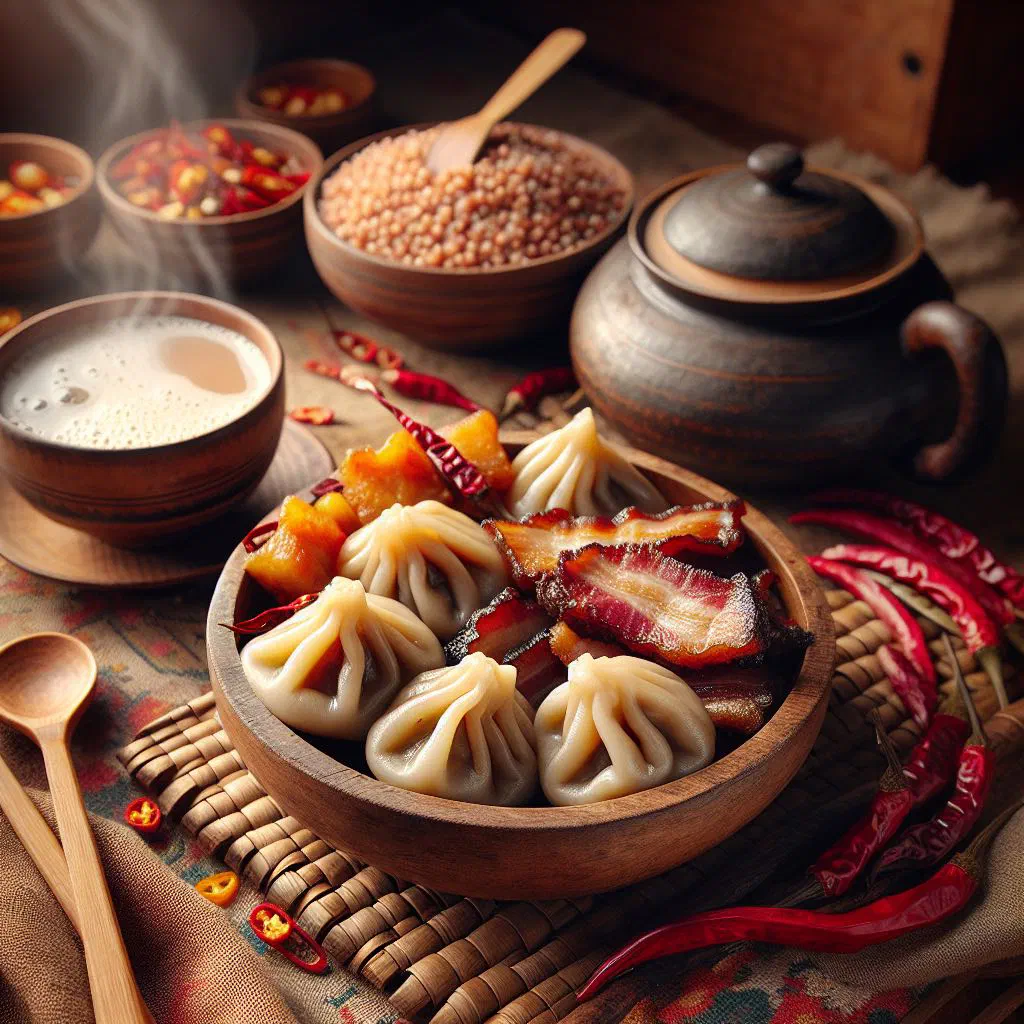
Discover Khur-le, a homely buckwheat pancake that has fed Bhutanese households in the high Himalayan valleys for generations. Light yet genuinely filling, it is cooked to a golden finish in a hot pan and traditionally served with savoury sides that show off the bold, warming flavours of Bhutan. Few dishes capture the country’s mountain kitchens quite so simply, and few are easier to recreate at home.
About Khur-le
If you are looking for a traditional dish from Bhutan, Khur-le deserves a place at the top of your list. Made from buckwheat flour, it offers a light but satisfying eating experience. It is usually served with distinctive, savoury accompaniments that bring out the varied flavours of Bhutanese cooking. The dish is nourishing and tells a story of the culinary traditions and cultural heritage of Bhutan.
Ingredients (serves 1–2)
- 200 g buckwheat flour
- 300 ml water
- 1 tsp salt
- 2 tbsp butter or oil
- Optional: fresh herbs and spices of your choice
Shopping for the ingredients
To make Khur-le, the ingredients are usually available in most supermarkets or Asian grocery shops. The buckwheat flour is the essential ingredient and gives the dish its characteristic texture. When buying, pay attention to the freshness and quality of the ingredients, as this can noticeably influence the flavour of the finished result. Fresh herbs and spices can deepen the taste further and make the dish even more appealing.
Preparing the dish
Preparing Khur-le is straightforward and takes only a few steps. First, set out all the ingredients so that the cooking process runs smoothly. It is worth tipping the buckwheat flour into a bowl and adding the water slowly to avoid lumps. Adding salt to the mixture gives extra flavour and makes the dish more rounded.
Step-by-step instructions
- Combine the buckwheat flour and the salt in a bowl.
- Add the water slowly and stir well until you have a smooth batter.
- Divide the batter into small portions and press them flat to create the typical khur-le shapes.
- Heat the butter or oil in a pan and fry the flat pieces until golden brown.
- For extra aroma, add fresh herbs and spices to the pan.
- Serve the finished khur-le with the accompaniments of your choice.
Gluten-free / lactose-free version
For anyone with a gluten intolerance, Khur-le can also be made gluten-free. Instead of buckwheat flour, use a gluten-free flour such as rice flour or maize flour. Make sure that all the other ingredients and side dishes are gluten-free as well. For a lactose-free version, simply use plant-based alternatives to butter or dairy products to keep the dish entirely lactose-free.
Tips for vegans and vegetarians
For vegans, Khur-le can be a delicious option, especially when animal products such as butter are left out. Use vegetable oil or margarine instead to cook the pancakes. Take care to keep the side dishes vegan too, choosing fresh vegetables and suitable dips, a bowl of Kewa Datshi made with plant-based cheese works beautifully. That way vegans can enjoy the traditional flavours of Bhutan just as fully.
More tips and tricks
A few simple tips will help you get Khur-le exactly right. Make sure the batter is neither too wet nor too dry so that you achieve the correct consistency. Experiment with different spices and aromatics to create your own personal version. It also helps to preheat the pan properly so that the khur-le brown evenly. Small adjustments like these can turn the dish into a real masterpiece.
Adapting the recipe to your taste
Everyone has different tastes and preferences when it comes to food. The Khur-le recipe is flexible and easily adapted to individual wishes. Feel free to experiment with different fillings or additions such as cheese or various vegetables, the same spirit that gives Ema Datshi its endless variations. This way you can create a flavour experience that is entirely your own.
Ingredient substitutions
If you do not have certain ingredients to hand, there are usually good alternatives. The buckwheat flour, for instance, can be replaced with rice flour or maize flour. If you would rather not use salt, you can add soy sauce for extra depth of flavour instead. Substitutions like these let you adapt the dish without giving up any of its appeal.
Drink pairing ideas
Several drinks go beautifully with Khur-le. Try green tea or a fruity lemonade, both of which complement the dish nicely, or the buttery Suja that Bhutanese households drink throughout the day. For those who enjoy an alcoholic pairing, a light beer or a fruity wine can make an interesting combination. The right drink rounds off the meal and brings out the flavours of the khur-le.
Serving and presentation ideas
Presentation plays an important part in serving any dish. Bring the khur-le to the table on an attractive, colourful plate and garnish it with fresh herbs. Use vivid colours in the side dishes to please the eye. A thoughtfully arranged plate whets the appetite and deepens the appreciation for the culture and tradition behind the food.
A bit of history
Khur-le is a dish with deep cultural roots in Bhutan. It belongs to a food culture defined by its use of natural, fresh ingredients. Making khur-le shows just how important buckwheat has been in the Bhutanese diet. Historically, buckwheat was a vital food source in the high-altitude regions where other crops struggled to grow, which makes khur-le part of the country’s identity and a cornerstone of Bhutanese cuisine.
More recipe ideas
Summary: Khur-le
Khur-le is a warm-hearted dish that captures the essence of Bhutanese cooking. The combination of buckwheat flour and fresh ingredients makes for a result that is both delicious and nourishing. Its simple preparation and the ease with which the recipe can be adapted to personal taste make it a superb choice for anyone wanting to explore the culinary traditions of Bhutan. Enjoy a piece of the Himalayas on your own plate and discover the variety of this fascinating culture.