National Dish Bhutan: Laypu (Recipe)
In this article
Meet Laypu, a warming rice-and-vegetable dish from the Himalayan kitchens of Bhutan. It is the sort of everyday cooking that relies on nothing more than good rice, crisp seasonal vegetables and a handful of aromatics, ginger, garlic and a little soy sauce, yet tastes far greater than the sum of its parts. Quick to put together, naturally light and endlessly adaptable, it belongs on any weeknight table.
About Laypu
Bhutanese cuisine is known for its aromatic range and its reliance on fresh produce, and laypu is an outstanding example of both. The dish brings together several simple elements that combine into a flavour all its own. It is cooked regularly in Bhutanese households, both for everyday meals and for festive occasions. The simplicity and naturalness of the ingredients make it tasty and a genuinely health-conscious choice.
Ingredients (serves 1–2)
- 200 g rice
- 150 g fresh vegetables (carrots, broccoli and the like)
- 1 onion
- 2 cloves of garlic
- 1 teaspoon grated ginger
- 2 tablespoons oil (sesame oil works well)
- Soy sauce, to taste
- Spices (turmeric, pepper)
- Fresh herbs, such as coriander
Shopping for the ingredients
To make laypu you will need to pick up the ingredients at a supermarket or local market. Fresh vegetables matter especially here, as they carry both the flavour and the nutritional value of the dish. Look for good quality throughout, particularly when choosing the rice and the oil. Many of the spices, such as turmeric and pepper, can be found in an Asian grocery if they are not stocked locally.
Preparing the dish
Before you start cooking, it helps to have everything properly prepared. That means washing and cutting the vegetables and peeling and chopping the onion and garlic. It is also worth rinsing and soaking the rice according to the packet instructions so it cooks evenly. Good preparation makes for a smooth, efficient cooking process and lets you concentrate on the flavour of the finished dish.
Step-by-step instructions
- Bring the rice to the boil in a pan of water and cook according to the packet instructions.
- Heat the oil in a large wok or frying pan and fry the onion, garlic and ginger.
- Add the chopped vegetables and fry for a few minutes until tender.
- Tip the cooked rice into the pan and mix everything together well.
- Add soy sauce and spices to taste and stir thoroughly.
- Garnish with fresh herbs and serve.
Gluten-free / lactose-free version
Laypu is naturally lactose-free and can easily be made gluten-free as well. For a gluten-free version, make sure the soy sauce you use is certified gluten-free, or reach for tamari instead. It is also worth choosing rice noodles over conventional wheat noodles if you add any, so the dish suits anyone with a gluten intolerance. Small adjustments like these mean everyone at the table can enjoy the meal.
Tips for vegans and vegetarians
Laypu adapts readily to vegan and vegetarian diets. The dish contains no meat to begin with, so you can simply follow the recipe as written. You may also add plant-based protein such as tofu or tempeh to make it more substantial and nutritious. Just check that the soy sauce you choose is vegan, and every guest will be able to tuck in, much as they would with a plate of vegetarian Momo.
More tips and tricks
To make laypu even better, experiment with different vegetables and spices. Cauliflower or courgette, for instance, add extra texture and flavour. Some cooks like to bring a touch of heat to the dish with chilli or sambal oelek, following the chilli-forward tradition behind Ema Datshi. Small tweaks of this kind can make a considerable difference and let you tune the dish to your own liking.
Adapting the recipe to your taste
Everyone has their own preferences, so it is worth treating this recipe as flexible. If you are especially fond of a particular ingredient, add it or swap something else out. Bear in mind, too, that children often prefer milder flavours, so you can scale the spicing back accordingly. That way you can be confident that everyone at the table will enjoy the dish.
Ingredient substitutions
If some of the ingredients in laypu are not to your taste, there are plenty of alternatives to hand. Instead of rice you might use quinoa or couscous as the base, though red rice keeps the dish closer to home, as in a Red Rice Salad. For the vegetables, simply use whatever seasonal produce is available. This flexibility lets you put together an equally tasty meal while keeping the local character and freshness of the ingredients.
Drink pairing ideas
Laypu goes well with a range of drinks that round off the meal nicely. A lightly chilled, fruity white wine makes a refreshing partner. For an alcohol-free option, freshly pressed fruit juice or ginger tea is highly recommended, as is a cup of traditional Suja.
Serving and presentation ideas
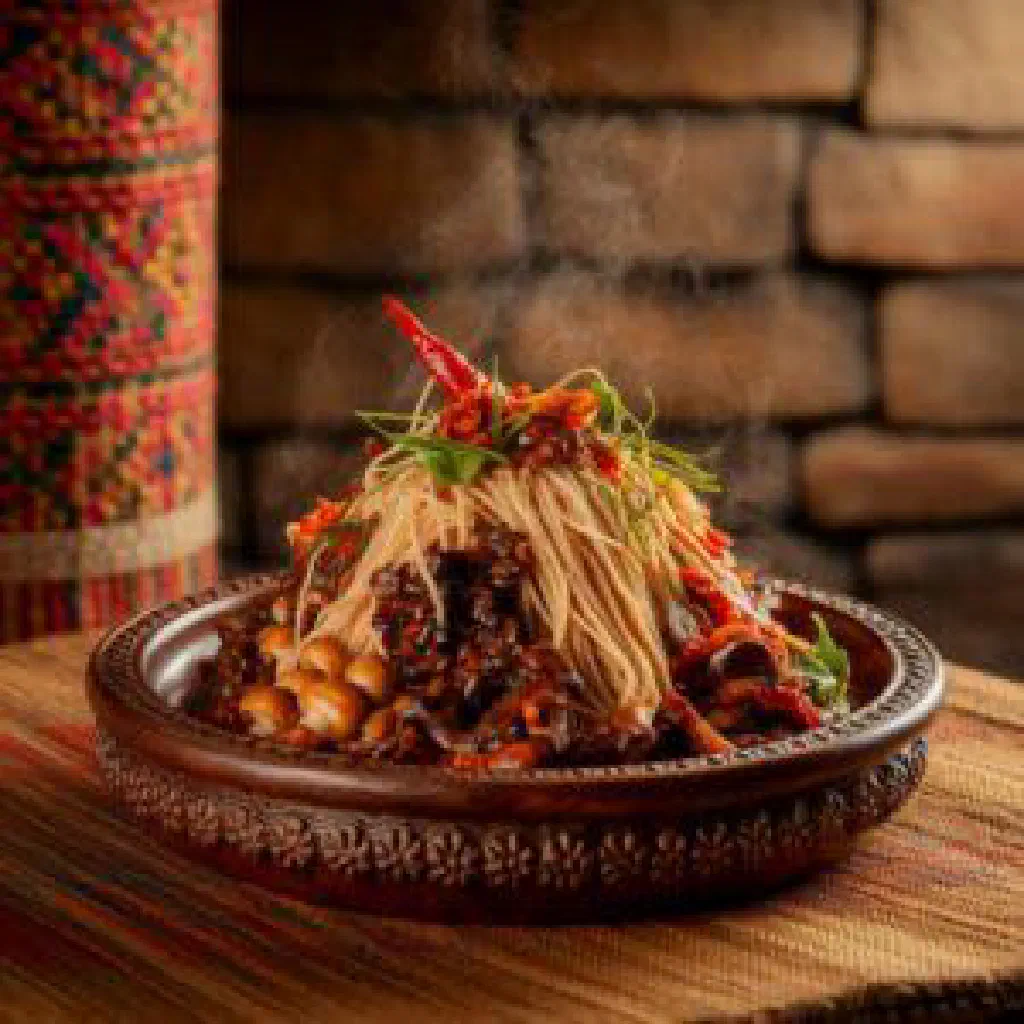
An attractively plated dish stirs the appetite and improves the whole eating experience. Serve laypu on a handsome serving platter and garnish it with fresh herbs. Remember to work in a range of colours through your choice of vegetables to create an appealing picture. A creative presentation makes the dish more inviting and builds anticipation for the meal ahead.
A bit of history
Laypu has its roots in traditional Bhutanese cuisine, which is shaped strongly by local farming conditions. The pairing of rice and fresh vegetables reflects the simple life and culture of Bhutan. The dish is also a good illustration of the use of seasonal ingredients, which are highly valued in Bhutanese society. It shows how food serves not merely for sustenance but as part of festivals and gatherings.
More recipe ideas
Summary: Laypu
Laypu is a savoury, nourishing dish that captures the essence of Bhutanese cuisine. It is an excellent choice for anyone wanting to discover the authentic flavours of Bhutan. Thanks to its fresh ingredients and aromatic spices, laypu offers the twin benefits of taste and good nutrition. Whether as a quick weekday supper or as part of a festive spread, laypu is sure to win people over.