National Dish Bhutan: Ngaja (Recipe)
In this article
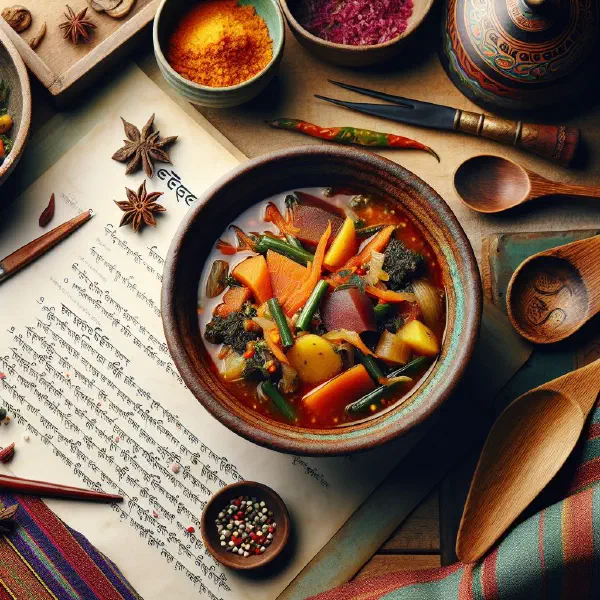
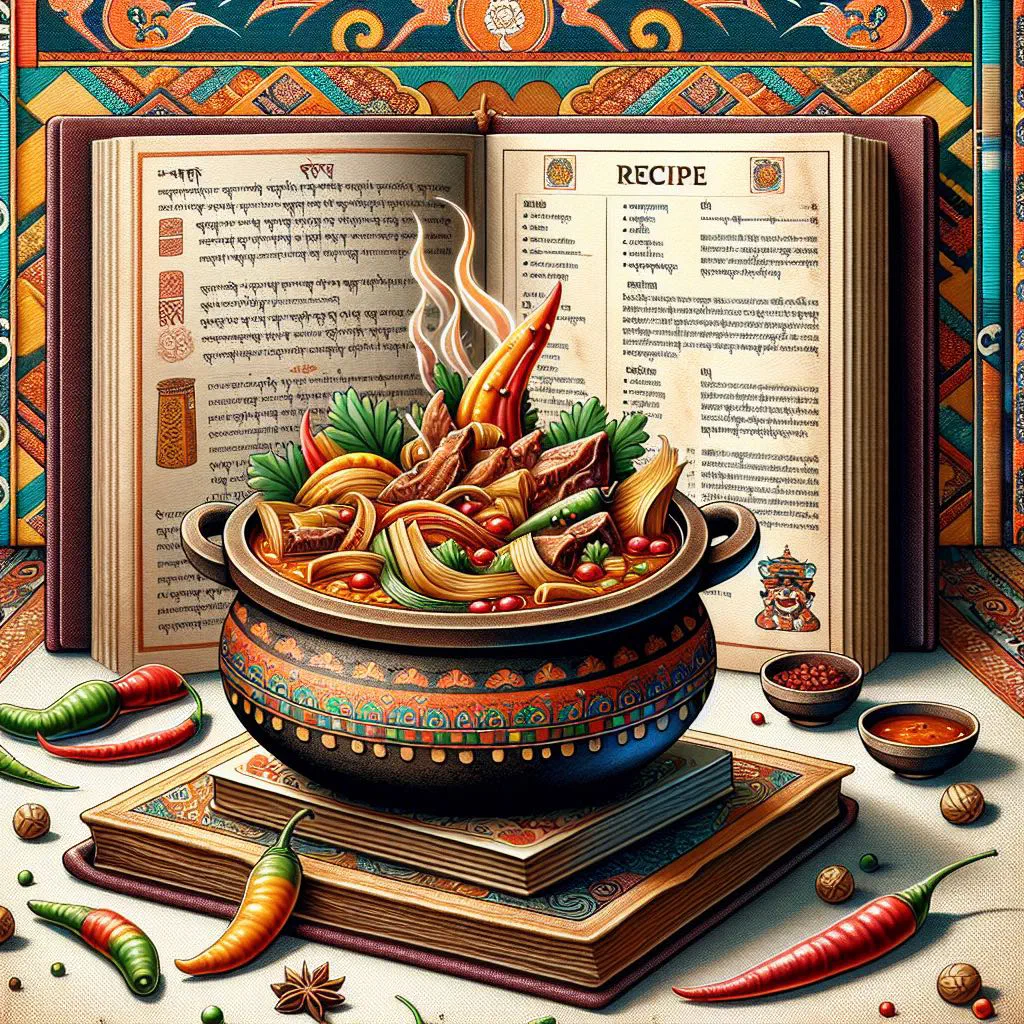
Discover Ngaja, a warming Bhutanese favourite that carries all the character of the Himalayas on a single plate. Tender meat or tofu meets crisp seasonal vegetables, fresh ginger and a handful of fragrant spices, then everything simmers gently until the flavours settle into one another. It is a generous, sharing sort of dish, the kind you set in the middle of the table and let everyone help themselves.
About Ngaja
Ngaja is far more than a national dish of Bhutan; it reflects the culture and traditions of a mountain kingdom where meals are made to be shared. The recipe brings the flavours of the Himalayan region together in a harmonious whole, and cooking it well is a matter of choosing your ingredients and spices with care. Using fresh, regional produce turns every mouthful into something worth slowing down for, much as it does with the beloved Ema Datshi.
Ingredients (serves 1–2)
- 300 g tender meat or tofu
- 2 cups fresh vegetables (broccoli, carrots, peppers)
- 2 tablespoons oil (sesame or vegetable oil)
- 1 teaspoon fresh ginger, grated
- 1 teaspoon garlic, finely chopped
- 1 teaspoon cumin
- 1 teaspoon turmeric
- Salt and pepper to taste
Shopping for the ingredients
To cook an authentic ngaja, it is important to choose ingredients that are fresh and of good quality. Visit your local market or an Asian grocery to track down the best spices and the crispest vegetables. Organic vegetables and meat are worth the extra outlay where your budget allows, since they simply taste better. If you are cooking with tofu, you can pick either firm or silken, depending on the texture you want in the finished dish.
Preparing the dish
Preparation for ngaja begins with chopping and organising everything you need. Wash the vegetables thoroughly and cut them into evenly sized pieces so they cook at the same rate. If you are using meat, cut it into small cubes or thin strips. Do not forget to prepare the ginger and garlic in advance. They carry much of the aroma that defines the dish.
Step-by-step instructions
- Heat the oil in a large pan or wok over a medium heat.
- Add the ginger and garlic and fry briefly until fragrant.
- Add the meat or tofu to the pan and cook until browned and cooked through.
- Tip in the chopped vegetables and stir well.
- Scatter the spices over the vegetable mixture and season to taste.
- Reduce the heat and let everything simmer for around 10 minutes, until the vegetables are tender.
- Serve hot and share it with family and friends.
Gluten-free / lactose-free version
Ngaja adapts very easily to a gluten-free or lactose-free table. Use gluten-free soy sauce or a well-seasoned stock to deepen the flavour without introducing any gluten. Tofu is naturally lactose-free and an excellent source of protein, which makes it ideal for both diets. When shopping, check labels carefully for hidden sources of gluten or dairy in spice blends and pre-mixed sauces.
Tips for vegans and vegetarians
For vegans and vegetarians, ngaja is a wonderfully forgiving recipe. Simply swap the meat for extra vegetables or additional tofu to keep the meal high in protein and satisfying. Vegetable stock works beautifully to build depth of flavour in place of anything meat-based. Experiment with different seasonal vegetables and enjoy the range of tastes that ngaja can carry, the same spirit you will find in a bowl of Jaju Soup.
More tips and tricks
To make cooking ngaja as smooth as possible, prepare all your ingredients before you turn on the heat. With everything within reach, the cooking itself takes only minutes. Use fresh spices for the best flavour, and remember that getting the quantities balanced is what keeps the dish from tipping too far in any one direction. Leftovers keep well in the fridge and reheat nicely for lunch the next day.
Adapting the recipe to your taste
One of the great pleasures of ngaja is how readily it bends to suit you. Add more chilli if you like things spicier, or swap in whatever vegetables are in season. Do not worry if one or two ingredients are unavailable; there is almost always a close substitute that works just as well. Approached this way, you end up with a version of ngaja that is entirely your own.
Ingredient substitutions
If you cannot lay your hands on everything the recipe calls for, alternatives are easy to find. Cumin can be replaced with coriander seed or fennel seed for a slightly different aromatic direction. Where fresh vegetables are lacking, frozen ones do the job perfectly well as long as they are not overcooked. Try different combinations and see which balance you like best.
Drink pairing ideas
A wide range of drinks suits ngaja, depending on whether you want something alcoholic or not. A traditional Bhutanese beer or a light white wine complements the spicing very nicely, as does a cup of Suja, the country’s famous butter tea. For an alcohol-free option, a fresh herbal tea or a homemade lemonade rounds the meal off beautifully. Experiment a little and find the pairing that works for your table.
Serving and presentation ideas
Presentation can lift the whole ngaja experience considerably. Serve the dish on large platters so guests can help themselves to as much as they like. Garnish with fresh coriander or other herbs to add colour and a final lift of aroma. Attractive bowls and serving dishes make the food look as good as it tastes and set the tone for a relaxed, communal meal.
A bit of history
Ngaja has deep roots in Bhutanese cooking and reflects the traditional farming practices of the region. The warming spices and the habit of cooking in company underline how much value is placed on family and community here. Sharing ngaja is itself a form of hospitality, one that says a great deal about the character of Bhutanese society and the wider world of Bhutanese cuisine. Cook it at home and you bring a piece of that culture to your own table.
More recipe ideas
Summary: Ngaja
Ngaja is a varied and thoroughly satisfying dish that wins people over through its combination of aromatic spices, fresh vegetables and tender meat or tofu. It is made for sharing with family and friends, and it brings the richness of Bhutanese culture straight to your table. Ngaja delivers a distinctive flavour that stays with you. Let the unique cooking of Bhutan work its charm and enjoy a bowl you made yourself.