National Dish Bhutan: Phaksha Paa (Recipe)
In this article
Meet Phaksha Paa, the boldly spiced pork dish that sits at the heart of Bhutanese home cooking. Slices of pork belly are simmered with fiery red chillies, radish and warm whole spices until the meat turns meltingly tender and the broth turns deeply savoury. It is the kind of food the high Himalayan valleys were built on: warming, generous and unapologetically punchy. Serve it with a bowl of nutty red rice and you have a proper Bhutanese feast.
About Phaksha Paa
Phaksha Paa is a traditional dish from Bhutan that wins people over with its striking aroma and hearty character. At its heart is a pork dish finished with hot chillies and fragrant spices, giving it a warmth that lingers pleasantly. The recipe is deeply rooted in Bhutanese culture and is especially loved for its rich, rounded flavour, which is why it appears on family tables from the lowland valleys right up to the mountain villages.
Ingredients (serves 1–2)
- 500 g pork belly, sliced
- 2 medium potatoes, diced
- 3 cloves of garlic, finely chopped
- 1 thumb-sized piece of ginger, finely chopped
- 2–3 red chillies, to taste
- 200 g radish, sliced
- 1 bunch spring onions, sliced
- 1 tablespoon sunflower oil
- 1 teaspoon Sichuan pepper
- 1 cinnamon stick
- 2 star anise
- 1 teaspoon ground turmeric
- Salt to taste
- Water, as needed
Shopping for the ingredients
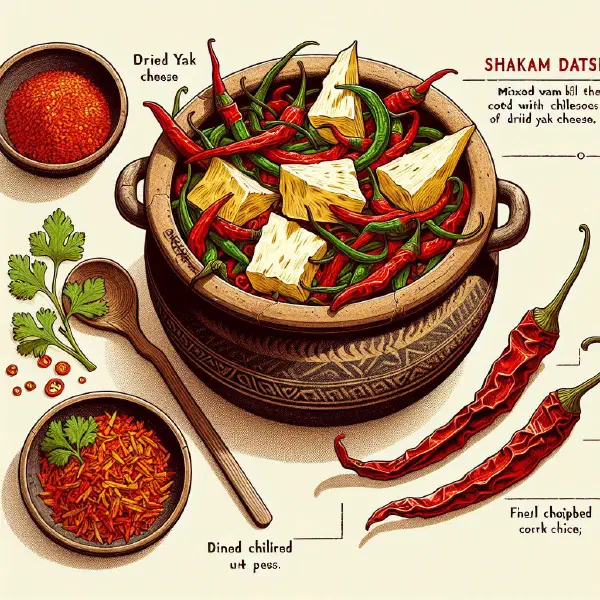
Most ingredients for phaksha paa are easy to find in a well-stocked supermarket or an Asian grocery. Put your money into fresh spices. They make all the difference to the authentic flavour of the dish. When buying the pork belly, ask your butcher for a leaner cut if you would rather keep things on the lighter side. The same careful sourcing pays off with a rich Shakam Paa, where the quality of the meat is everything.
Preparing the dish
Before you start cooking, wash and cut all the fresh vegetables. Slice the pork belly into pieces of roughly equal size so the meat cooks through evenly. Lay out every spice within easy reach, because once the pan is hot things move quickly. A tidy work surface turns what looks like a long ingredient list into a relaxed, straightforward cook.
Step-by-step instructions
- Heat the oil in a pan and add the slices of pork belly. Fry until lightly browned.
- Add the chopped garlic, ginger and chillies and sauté for a few minutes.
- Stir in the star anise, cinnamon stick and Sichuan pepper and let them toast briefly.
- Add the potatoes, the radish and enough water to cover everything. Cook over medium heat until the potatoes are almost done.
- Finally add the spring onions and the turmeric, season with salt and let the dish simmer for another 5 minutes.
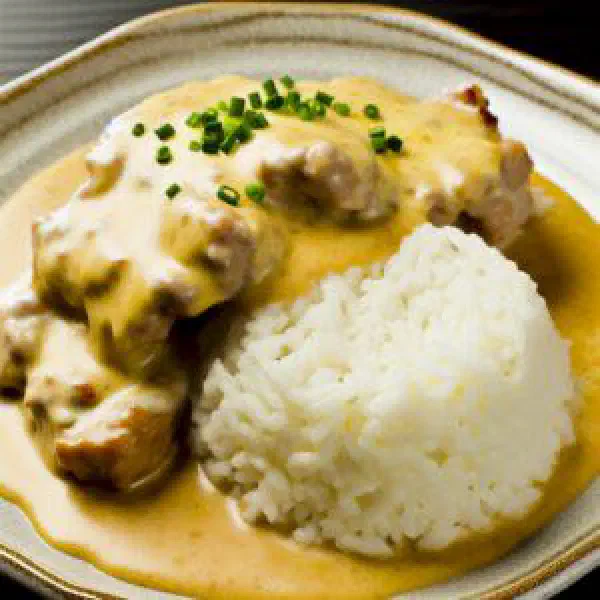
Phaksha paa is traditionally served with red rice, which has a nutty note and is wonderfully filling.
Gluten-free / lactose-free version
Phaksha paa is naturally gluten-free and lactose-free, since none of the core ingredients contain wheat or dairy. Simply check any soy sauce you add at the end, as most standard versions contain wheat, a tamari works perfectly instead. Serve it with red rice rather than bread and the whole meal stays suitable for anyone avoiding gluten.
Tips for vegans and vegetarians
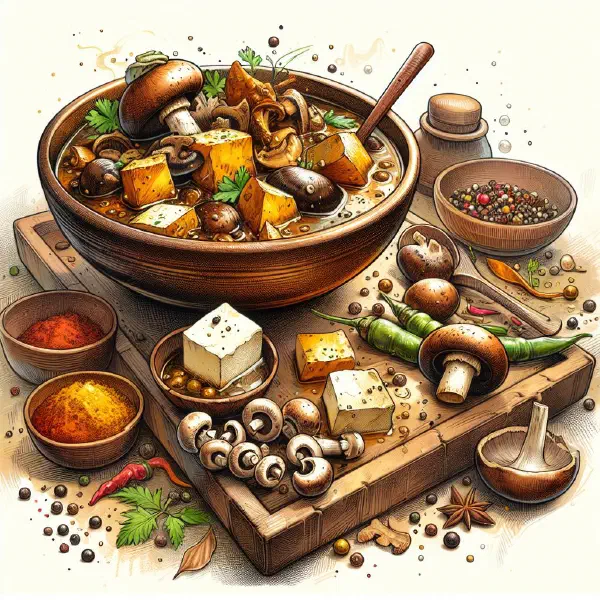
For a vegetarian or vegan version, swap the pork for smoked tofu, which holds up beautifully to the long simmer. Mushrooms are another excellent stand-in, bringing a meaty texture and plenty of savoury depth. Just make sure your spices and oils come from animal-free sources. If you enjoy the plant-based route, the cheesy chilli stew Ema Datshi is the obvious next dish to try.
More tips and tricks
If you prefer things milder, reduce the number of chillies or leave them out altogether, the whole spices still carry plenty of flavour. For a deeper savoury note, finish the dish with a splash of soy sauce. Letting it simmer gently rather than boil hard keeps the pork tender and the broth clear.
Adapting the recipe to your taste
The beauty of phaksha paa is its versatility, and it is easy to shape around your own preferences. If you like more vegetables, try adding leafy greens such as spinach or chard towards the end of cooking. Dial the chilli up or down, lengthen the simmer for softer meat, or thicken the broth by cooking it uncovered for the last few minutes.
Ingredient substitutions
If you cannot find pork belly, or would rather avoid it, chicken breast or beef work just as well in this recipe. Where Sichuan pepper is unavailable, black or white pepper will give you a comparable peppery heat, though without the distinctive tingle. Radish can be replaced with turnip or even kohlrabi if that is what you have to hand.
Drink pairing ideas
A mild green or black tea is the traditional choice, balancing the heat of phaksha paa without competing with it. The buttery, salted Suja is the most authentically Bhutanese pairing of all. A cold lager also works nicely against the spicy pork, and plain still water with a slice of cucumber makes a refreshing alternative.
Serving and presentation ideas
Serve phaksha paa in a large bowl and garnish it with fresh coriander for colour and lift. A side of red or white rice not only fills the plate but rounds out the dish visually too. Small bowls of pickled chilli or a simple sliced salad alongside make the table look generous and let everyone build their own plate.
A bit of history
Phaksha paa originates in the mountainous regions of Bhutan, where meat dishes like this one mattered because the harsh climate demanded energy-rich food. Spices and chillies are used liberally throughout Bhutanese cuisine and are characteristic of the flavour of many traditional dishes, chillies in particular are treated as a vegetable rather than a mere seasoning. That heat, paired with slow-simmered meat and root vegetables, defines much of what you will find in Bhutanese cooking today.
More recipe ideas
Summary: Phaksha Paa
Phaksha paa is a flavourful pork dish from Bhutan, distinguished by its versatility and its rich, layered taste. Although it shines with traditional spices and ingredients, it adapts easily to vegetarian preferences. With the right sides and drinks it becomes the centrepiece of any meal and brings a slice of Bhutanese hospitality to the table. Give it a go, the warmth of the Himalayas is only a simmer away.