National Dish Bhutan: Puta (Recipe)
In this article
Meet Puta, a warming grain dish from the Himalayan kingdom of Bhutan that proves simple cooking can still be full of character. Built on humble flour, water and whatever fresh vegetables are to hand, it comes together in a single pan and rewards you with gentle, comforting flavours. In Bhutanese homes it is a dish for sharing, brought out when friends drop by. This guide walks you through the recipe step by step, including vegan, gluten-free and lactose-free variations.
About Puta
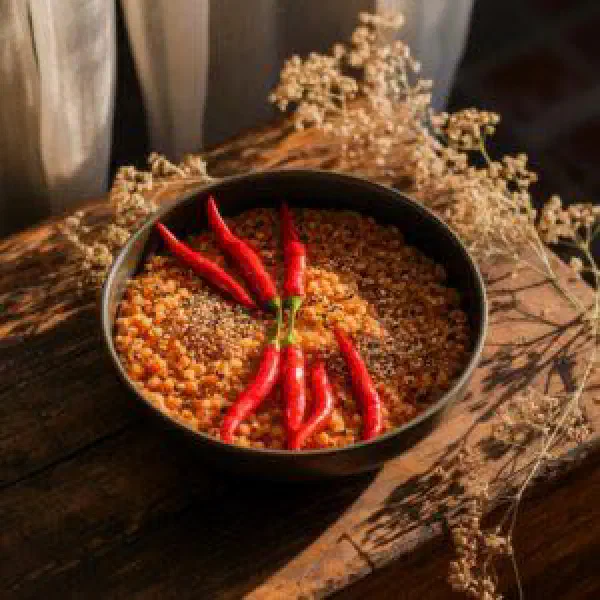
Puta is a traditional dish from Bhutan that is as easy to prepare as it is satisfying to eat. At its heart lies grain, typically maize or rice, rounded out with fresh produce and fragrant spices. That combination gives the dish not only a nourishing base but a range of aromas that lift the whole meal. In Bhutan, puta is often served to a table full of company and is a quiet symbol of hospitality.
Ingredients (serves 1–2)
- 200 g maize flour or rice flour
- 500 ml water
- A pinch of salt
- Fresh vegetables of your choice (e.g. spinach, peppers, onions)
- Spices (e.g. cumin, ground coriander)
Shopping for the ingredients
When shopping for puta, it pays to pick out the freshest ingredients you can find. For the base you can choose either maize flour or rice flour, and the quality of that flour matters a great deal to the finished flavour. Locally grown vegetables bring colour to the dish as well as plenty of nutrients. Spices are best sourced from an Asian grocery or a well-stocked supermarket to guarantee an authentic aroma.
Preparing the dish
Good preparation means having everything within reach so the cooking runs smoothly from start to finish. Begin by washing the vegetables and cutting them into small pieces. Bring the water to the boil ahead of time to speed the process along.
Step-by-step instructions
- Bring the water to the boil in a large pan.
- Add a pinch of salt and the flour, stirring continuously to prevent lumps from forming.
- Stir in the chopped vegetables and the spices, and keep cooking until the mixture thickens.
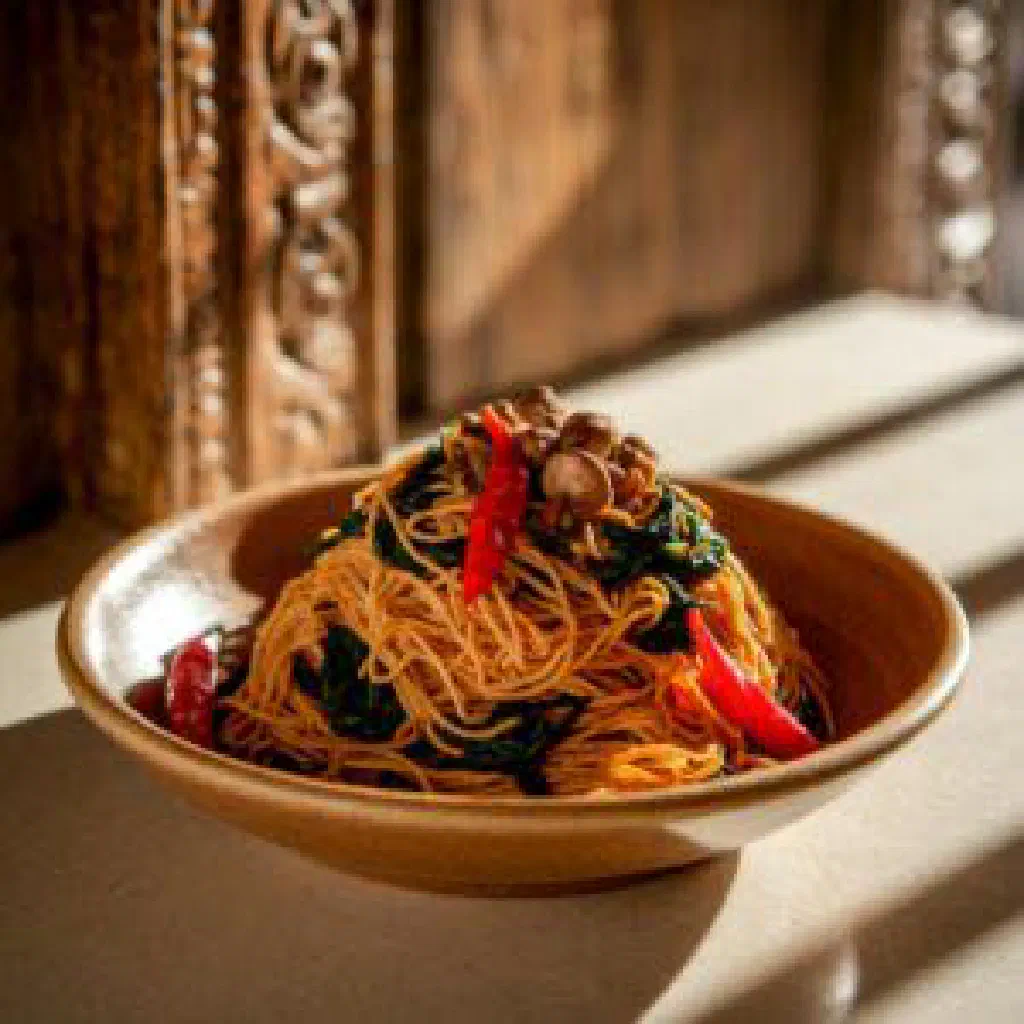
- Turn the puta out into a bowl and garnish to taste.
Gluten-free / lactose-free version
For a gluten-free version of puta, simply use rice flour in place of maize flour so the dish suits anyone with a gluten intolerance. In its traditional form puta contains no dairy products at all, which makes it naturally appropriate for lactose-intolerant guests as well. Just take care that the vegetables and spices you choose are also free from gluten.
Tips for vegans and vegetarians
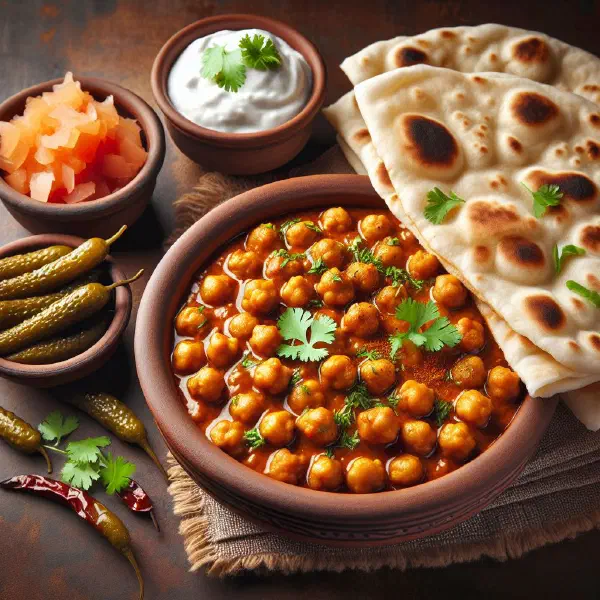
Puta gives you an excellent framework for vegan and vegetarian cooking, since there is endless room for different vegetables and plant-based additions. Check that the spice blends you use contain no animal products. Adding tofu or pulses is a good way to raise the protein content, which makes the dish not only more nutritious but noticeably more filling too, much like a bowl of Chana Paa.
More tips and tricks
One key tip when making puta is to keep an eye on the consistency of the mixture as it cooks. Should it thicken too far, simply stir in a little more water until you reach the texture you want. Experiment with different spices to tune the dish to your own palate. Another useful trick is to blanch the vegetables briefly beforehand, which intensifies their flavour.
Adapting the recipe to your taste
Puta adapts easily to different tastes and preferences. Add hot chillies for a fiery edge, or swap the vegetables for whichever varieties you like best. You can also vary the quantity of spices to make the dish milder or sharper. That flexibility is what makes puta such an ideal recipe for a wide range of dietary needs.
Ingredient substitutions
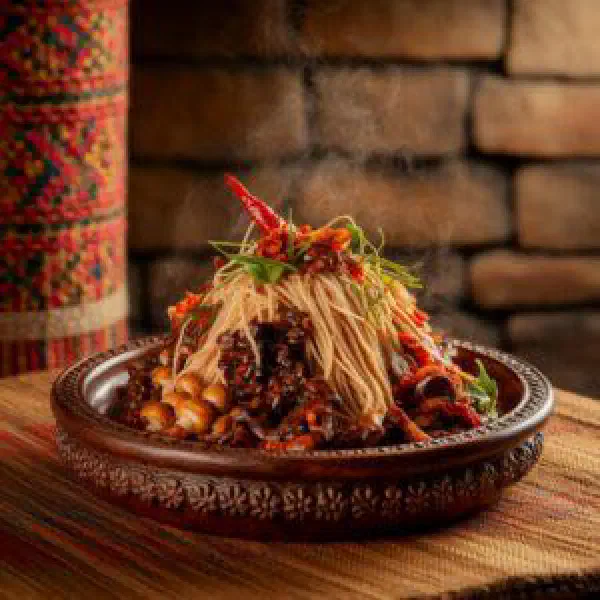
If you do not have the listed ingredients to hand, there are several good alternatives. Millet flour works in place of maize flour and lends the dish a different but equally appealing texture; buckwheat is another Bhutanese staple, as in Bumthang Buckwheat Noodles. If fresh vegetables are unavailable, frozen or even tinned vegetables make a perfectly acceptable stand-in. Varying the spices, reaching for Italian herbs, for instance, can open up exciting new flavour combinations.
Drink pairing ideas
Plenty of drinks complement puta and its gentle aromas. A light green tea is a traditional favourite across many Asian kitchens and makes a refreshing companion, as does the buttery Suja of the Himalayas. Alternatively, serve a fruity lemonade for a cooling contrast to the savoury flavours. A lightly chilled white wine also works nicely and rounds off the meal.
Serving and presentation ideas
Presentation can make all the difference in how appetising puta looks on the table. Use colourful plates to bring out the vivid tones of the dish. Garnish with fresh herbs such as coriander or parsley for extra freshness and fragrance. Small bowls and neat serving cutlery let you arrange side dishes attractively and create an inviting spread.
A bit of history
Puta is closely bound up with the traditional cooking of Bhutan and reflects the country’s culture and way of life. Historically it was prized by farmers as a nourishing meal that took little effort to make. The typical ingredients and spices were shaped by what grew nearby, which turned puta into a communal dish meant to be shared. That heritage is why it remains a much-loved staple of Bhutanese cuisine in households today.
More recipe ideas
Summary: Puta
In short, puta is a hearty and flavourful dish that captures the essence of Bhutanese cooking. It is nourishing, endlessly versatile and simple to adjust to personal taste. Fresh ingredients and aromatic spices give you more than a delicious meal but a genuine taste of Bhutan’s culture in your own kitchen. With straightforward ingredients and an uncomplicated method, puta is a recipe everyone should try at least once.