National Dish Bhutan: Suja (Recipe)
In this article
Discover Suja, the salted butter tea that has warmed the people of Bhutan for centuries. Rich, savoury and utterly unlike any tea you have met before, it blends strong black tea with butter and a pinch of salt into something closer to a broth than a brew. In the high valleys of the Himalayas it is poured for guests as a matter of course, a cup of Suja is an invitation, a welcome and a small ceremony all at once.
About Suja
Suja, the traditional butter tea of Bhutan, is a fascinating drink that pleases the palate and warms the soul in equal measure. It is made from strong black tea, salted butter and, depending on the region, a splash of milk for extra body. This savoury drink is a fixture of Bhutanese daily life and a recognised expression of hospitality. The combination of robust tea notes and creamy butter creates a flavour experience quite unlike anything else, and one well worth trying at least once.
Ingredients (serves 1–2)
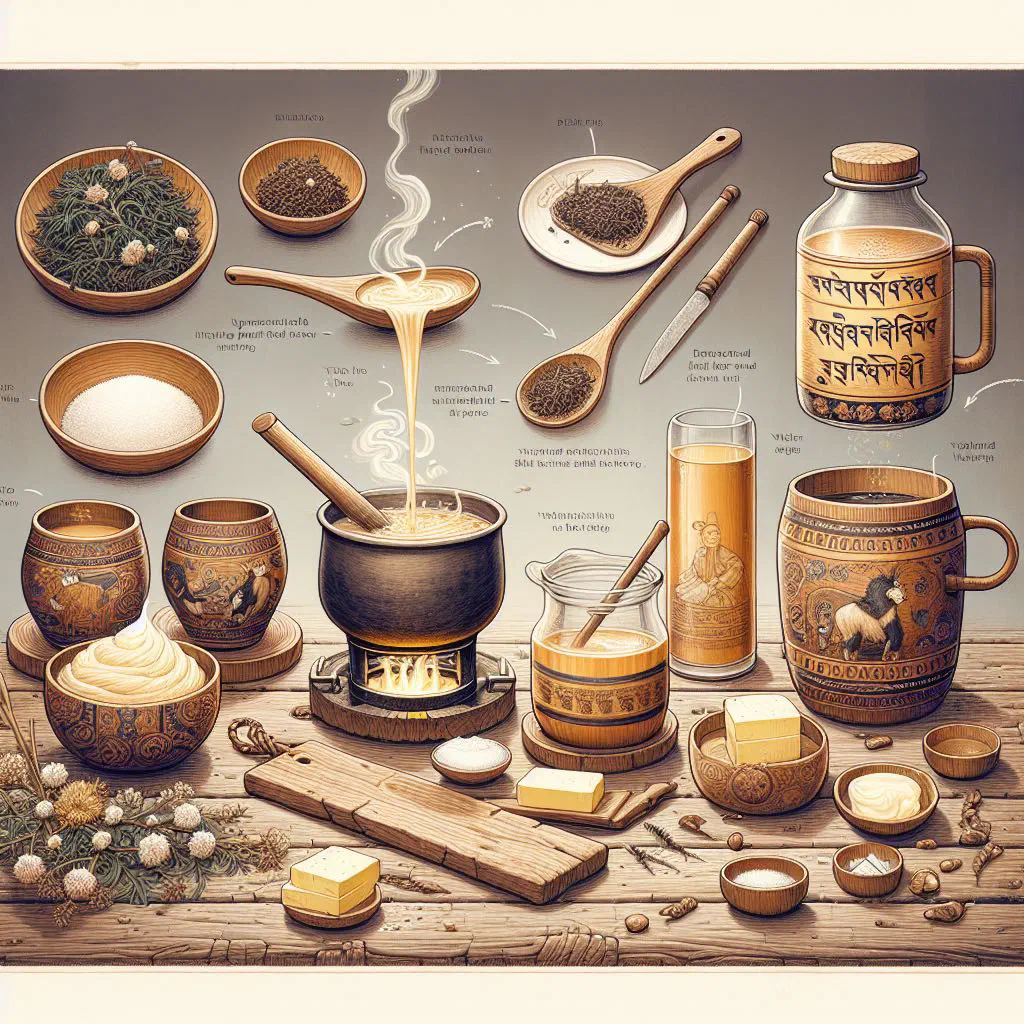
- 2 cups water
- 2 tea bags of black tea, or 2 teaspoons loose-leaf tea
- 2 tablespoons butter (ideally yak butter)
- 1 teaspoon salt, to taste
- 1 cup milk (optional, for a creamier consistency)
Shopping for the ingredients
When shopping for Suja, focus above all on the quality of the black tea. Good leaves give a fuller flavour and a far better aroma than dusty supermarket bags. Yak butter, the traditional choice, can be found in Asian grocery shops or in well-stocked organic stores. Failing that, ordinary butter works perfectly well, the result will simply taste a little different, a touch less gamey and grassy than the original.
Preparing the dish
Before you start, it helps to have everything within reach. Make sure the kettle is ready and the black tea is measured out so the brew comes out evenly. You can warm the milk in advance to shorten the process. Keep the salt to hand as well, since it plays an essential part in the finished flavour of Suja and is best added gradually rather than all at once.
Step-by-step instructions
- Bring 2 cups of water to the boil in a pan.
- Add the tea bags or loose leaves and let them steep for around 5–10 minutes.
- Take the pan off the heat and remove the bags or strain out the leaves.
- Add the butter and the salt, and stir thoroughly until the butter has melted.
- Optional: pour in the milk and keep blending until everything is smooth. Many Bhutanese households use a dedicated butter tea churn or a hand blender for this step.
- Serve the Suja hot in a cup and enjoy it in good company.
Gluten-free / lactose-free version
Suja is naturally gluten-free, as it contains no gluten-bearing ingredients at all. For a lactose-free version, use a plant-based butter alternative and swap the milk for a lactose-free or plant milk such as almond or soya. These small adjustments mean everyone can enjoy the drink, whatever their dietary needs, much as the milder Tsheringma Tea suits almost any table.
Tips for vegans and vegetarians
For a vegan cup, replace the butter with a savoury plant-based margarine or with coconut butter. Either gives the drink the same creamy body while keeping it entirely free of animal products. The milk can likewise be swapped for coconut or almond milk, which adds its own gentle sweetness to the mix. These substitutions preserve the warm, hearty character of Suja while making it accessible to all.
More tips and tricks
To make Suja your own, try adding spices such as cinnamon or ginger. They lift the aroma and bring their own well-known benefits to the cup. Adjust the steeping time if you are working with fresh ingredients, so you strike the right balance between bitterness and roundness. Blending vigorously is the real secret: the longer you churn, the smoother and more emulsified the tea becomes, and the less it separates in the cup.
Adapting the recipe to your taste
One of the great strengths of Suja is how readily it bends to personal preference. You can dial the salt up or down as you like, or experiment with different tea varieties for a lighter or darker brew. Some cooks replace part of the water with vegetable stock for a deeper, more umami-savoury result. The possibilities are endless once you start adjusting the recipe to your own taste or to the season.
Ingredient substitutions
If yak butter is nowhere to be found, margarine or even a good olive oil will stand in nicely. The tea itself can vary too: try green tea for a fresher, grassier note. For the milk you have the choice of lactose-free, almond or oat, all of which sit comfortably alongside the other ingredients. Think about which flavours appeal to you and choose your substitutes accordingly, the same spirit of improvisation that shapes dishes like Ema Datshi.
Drink pairing ideas
Suja pairs well with other drinks on the same table, such as plain black tea without butter for anyone who prefers something lighter. Herbal tea or a spiced chai make good companions, as does the sweet milk tea Ngaja, which offers a gentle counterpoint to all that salt. Serve any of these hot or cold, and add a few small snacks to turn a simple cup into a proper spread.
Serving and presentation ideas
Presentation lifts the pleasure of Suja before the first sip. Use handsome cups and finish them with a small mint leaf or a cinnamon stick for a little visual interest. Serving in a traditional Bhutanese wooden cup or bowl adds an authentic touch to the occasion. A square of dark chocolate or a plain, neutral biscuit alongside rounds out the picture nicely, as do a few Khur Le pancakes for a heartier morning.
A bit of history
The roots of Suja run deep into Bhutanese culture, where the tea is valued as a source of warmth and sustenance, especially in the cold high altitudes of the Himalayas. It has long been prepared in rural households and poured at gatherings to welcome guests through the door. Suja is not merely a drink but a symbol of community and hospitality, and its preparation varies from valley to valley, one of the many small pleasures of Bhutanese cuisine.
More recipe ideas
Summary: Suja
Suja is far more than a buttered tea. It is a piece of Bhutanese culture in a cup. This singular drink brings people together and offers a taste experience you will not soon forget. Suja is a warm invitation to discover the culinary soul of Bhutan. Let the aromas draw you in and savour the distinctive taste of this traditional brew.