National Dish Bhutan: Tsheringma Tea (Recipe)
In this article
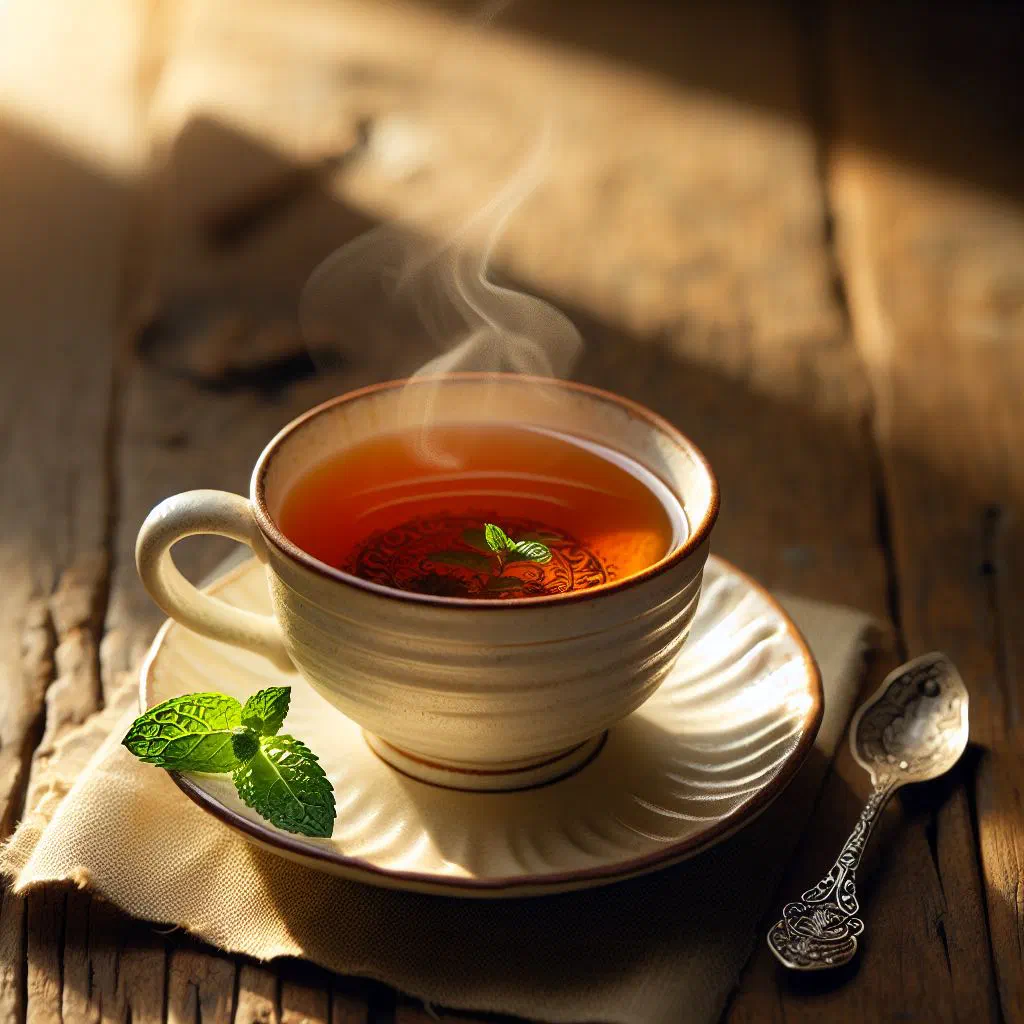
Meet Tsheringma Tea, the fragrant herbal brew that has warmed Bhutanese households for generations. Made from a gentle blend of dried herbs and spices, it is prized as much for its soothing, restorative qualities as for its delicate aroma. Simple to prepare and endlessly adaptable, it offers a quiet, unhurried taste of the Himalayan kingdom, the kind of drink you make slowly and sip even more slowly.
About Tsheringma Tea
Tsheringma Tea is a traditional herbal infusion rooted deep in the culture of Bhutan. This distinctive tea is made from a blend of herbs and spices that deliver fragrant essential oils and a range of health benefits. The harmonious combination of these ingredients mirrors the spirituality and abundant nature of Bhutan. Tsheringma Tea is not merely a drink but an experience, one that brings you closer to the soul and heritage of this fascinating country.
Ingredients (serves 1–2)
- 1 teaspoon dried Tsheringma herbs
- 1 teaspoon dried leaves (such as sage or thyme)
- 1 cup hot water
- Honey or sugar, to taste
- Lemon slices, for extra freshness
Shopping for the ingredients
The ingredients for Tsheringma Tea are available in many health food shops and specialist tea merchants. You will often find a good selection of dried herbs and spices in Asian grocery stores too. Look for organic or otherwise high-quality produce so you get the full aroma and the wellbeing benefits that come with it. Many of these herbs can also be ordered online, which is a convenient way to achieve an authentic flavour at home.
Preparing the dish
Before you begin brewing Tsheringma Tea, it is worth laying out all your ingredients. Keep the dried herbs in small quantities so they stay fresh and aromatic. If you would rather work with fresh ingredients, adjust the amounts to taste for an even more intense flavour. Prepare your cup as well, along with any equipment such as a tea strainer or teapot, to make the process run smoothly.
Step-by-step instructions
- Bring 1 cup of water to the boil in a small pan or kettle.
- Add the dried herbs and leaves.
- Cover the pan and let the tea steep for 5–10 minutes.
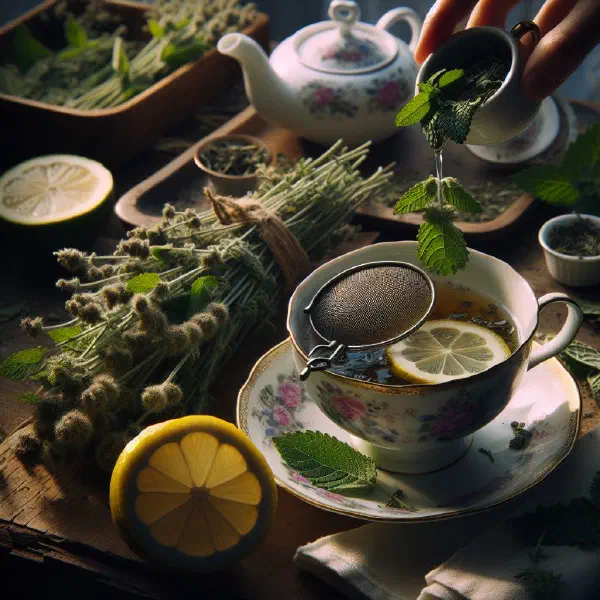
- Strain the tea through a tea strainer into your cup.
- Add honey or sugar and lemon slices to taste.
Gluten-free / lactose-free version
Tsheringma Tea is naturally gluten-free and lactose-free, since it contains no animal products and no gluten-bearing ingredients. That makes it an excellent choice for anyone with dietary restrictions. Do check your honey or sugar for unwanted additives all the same. Unlike the buttery, salted Suja that Bhutanese households also love, this tea works for practically every diet.
Tips for vegans and vegetarians
For vegans, Tsheringma Tea is a perfect choice, being entirely plant-based and nourishing. Instead of honey, use agave syrup or maple syrup to add a touch of sweetness. Adding fresh herbs such as mint or basil can broaden the flavour beautifully. The tea is delicious and supports a sustainable, animal-friendly way of eating.
More tips and tricks
To get the most from Tsheringma Tea, adjust the steeping time until the strength suits your palate. Experiment with different herb blends to discover new flavour directions. Always keep a good supply of dried herbs on hand, as freshness makes an enormous difference to the taste. The water you use matters too, fresh spring water is often the best choice of all.
Adapting the recipe to your taste
Every tea drinker has their own preferences when it comes to flavour and strength. You can adapt Tsheringma Tea by adding further aromatics such as cinnamon or cardamom for a distinctive twist. Different sweeteners will change the character of the cup as well.
Ingredient substitutions
If you do not have certain herbs to hand, there are plenty of alternatives for a flavourful cup. Mint, chamomile or even nettle leaves all offer an interesting variation. That way you can enjoy the tea in any season, depending on what happens to be available.
Drink pairing ideas
Tsheringma Tea sits comfortably alongside other drinks. Try serving it with fresh juices or a robust coffee for an appealing contrast, or pair it with the sweet, milky Ngaja for a gentler combination. A fruity smoothie also works well and complements the nutritional benefits of the tea. Served this way, the whole experience becomes far more varied.
Serving and presentation ideas
Presentation can lift the entire Tsheringma Tea ritual. Use attractive cups and saucers to create a stylish atmosphere. Adding fresh herbs or a lemon slice to the rim of the cup looks appealing and underlines the flavour at the same time. A thoughtful presentation makes an ordinary tea break feel like a genuine occasion, especially served after a rich plate of Ema Datshi.
A bit of history
The tradition of Tsheringma Tea goes back many centuries and is closely tied to the cultural identity of Bhutan. The tea is often seen as a symbol of harmony and good health, and the recipe is passed down from generation to generation. In Buddhist cultures tea features frequently in religious ceremonies, which underlines its spiritual significance. Enjoying this brew is therefore more than a matter of taste. It is part of a living heritage and of Bhutanese cuisine as a whole.
More recipe ideas
Summary: Tsheringma Tea
In short, Tsheringma Tea is far more than a simple drink. It embodies the rich culture and tradition of Bhutan while offering distinctive benefits for body and mind. The tea opens up endless possibilities for anyone who enjoys a good cup. Give it a try and let the beauty and harmony of this ancient tradition work its quiet magic.